Uber's Massive Hyderabad Lease Signals Strong Tech Demand and Institutional Investor Confidence in Indian Office Market
Published: May 2026
Market Implications: Demand Surge and Pricing Resilience
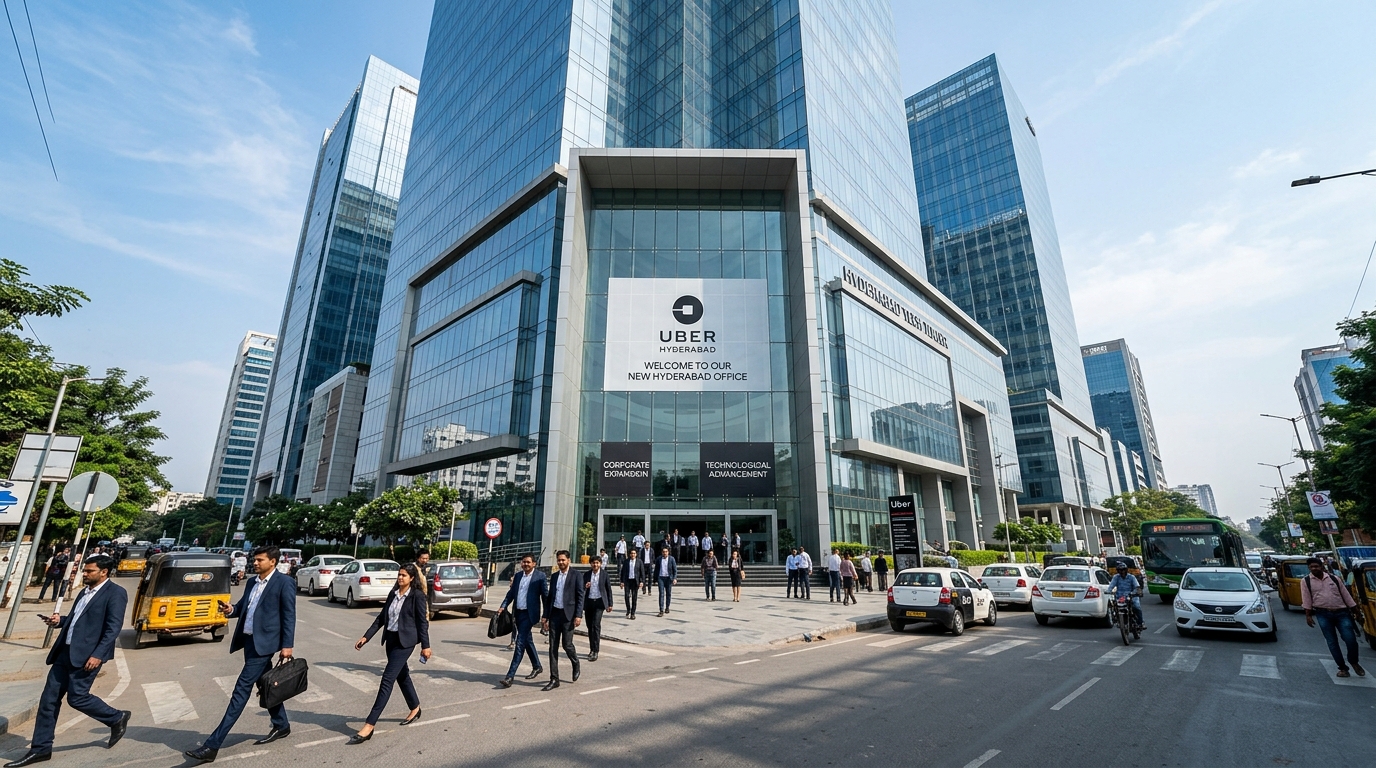
Uber's substantial acquisition of over 9 lakh sq ft of office space in Hyderabad for a reported ₹839 crore over a decade is a powerful testament to the enduring demand for Grade A office spaces, especially from the technology sector. This single transaction injects significant absorption into the Hyderabad market, likely influencing vacancy rates positively and providing a strong signal for rental growth. The long-term nature of the lease (10 years) indicates a strategic, long-term commitment by Uber to its Indian operations, suggesting confidence in the country's talent pool and business environment. For developers and landlords, this signifies continued appetite for modern, well-equipped office facilities capable of supporting large-scale operations.
The scale of the deal also implies a certain level of pricing power for landlords in prime micro-markets, especially those offering modern amenities and connectivity. While the exact location within Hyderabad isn't specified, such large leases are typically secured in established IT hubs. This sustained demand, driven by global players like Uber, helps maintain healthy occupancy levels and supports rental appreciation, offering predictable income streams for asset owners and a compelling reason for new developments.
Institutional Investor Perspective: Capital Flows and Risk Appetite
This landmark lease by Uber is likely to further attract institutional investors and global funds looking to deploy capital in India's commercial real estate. The presence of a major global tech player committing to such a significant long-term lease reduces perceived risk for investors, validating the underlying demand fundamentals. Institutional investors often look for long-term leases with creditworthy tenants as they provide stable, predictable rental income, which is crucial for portfolio stability and attractive yields. This deal could signal increased confidence in the Hyderabad office market's ability to deliver such outcomes, potentially leading to more capital inflows into Grade A office assets and joint ventures between developers and institutional players.
The ₹839 crore figure over 10 years translates to an average annual rental of approximately ₹83.9 crore. While not explicitly stated, this transaction's scale and duration suggest a focus on premium locations with robust infrastructure and amenities, areas that typically command higher rental values. For institutional investors, this reinforces the attractiveness of these prime micro-markets as they seek assets with higher occupancy and rental growth potential.
Micro-Market Relevance: Hyderabad's IT Corridor in Focus
While the exact address of Uber's new office isn't disclosed in the news, such large-scale leases are predominantly concentrated in Hyderabad's prime IT corridors. Areas like Gachibowli, the Financial District, and Kokapet are known for their modern office infrastructure, availability of large contiguous spaces, and connectivity, making them prime targets for multinational corporations setting up or expanding their operations. Uber's decision to secure such a significant footprint in Hyderabad reinforces the city's position as a major technology hub in India and globally.
The sustained growth in these micro-markets is often driven by a combination of government incentives for IT companies, availability of skilled talent, and a proactive approach to urban infrastructure development. The commitment by global giants like Uber not only boosts these micro-markets in terms of absorption but also enhances their prestige, potentially attracting more ancillary services, retail, and residential development, creating a self-sustaining ecosystem.
- Gachibowli: A well-established IT and business district with excellent infrastructure.
- Financial District: Known for its premium office spaces and connectivity.
- Kokapet: An emerging hub with significant new development and appeal for large corporations.
Policy and Regulatory Environment
While the news doesn't explicitly mention any policy or regulatory impacts directly tied to this lease, the broader environment in Hyderabad is conducive to such large-scale investments. The Telangana government has consistently focused on promoting the IT sector through various policies, including land allocation, infrastructure development, and ease of doing business. Such a significant lease by a global player like Uber indirectly validates the effectiveness of these policies in attracting foreign direct investment and fostering a pro-business climate. A stable regulatory framework, coupled with a supportive ecosystem, is crucial for long-term tenant commitments and investor confidence.
Source: Hindustan Times