UAE Property Expo in Hyderabad: A Seismic Shift for Builders and Landowners
Published: October 2026
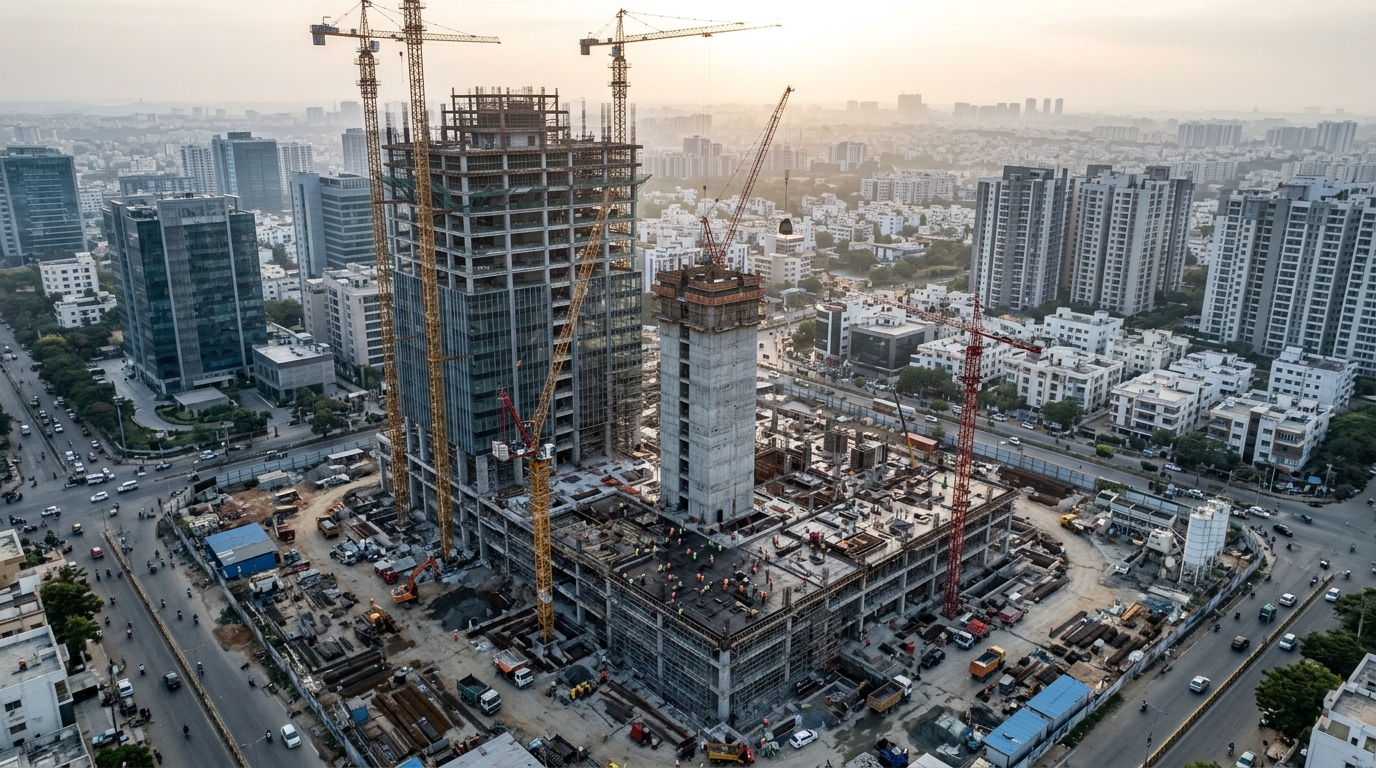
Unlocking New Horizons for Builders and Landowners
The arrival of a major UAE property expo in Hyderabad is more than just an event; it's a powerful signal of global interest in India's real estate, particularly its Tier 2 and emerging metros. For builders, this translates to potential joint ventures, increased demand for high-quality construction, and the adoption of international standards in design and sustainability. Landowners stand to benefit from enhanced land valuations, as demand for strategically located parcels capable of supporting larger-scale, modern developments will surge. This is an opportune moment to assess land banks, understand current market trends, and position oneself for future partnerships.
This influx of international players often brings with it a focus on premium segments and technologically advanced projects. Builders who can align their offerings with global aesthetic preferences, sustainability goals, and smart home integrations will find themselves at a distinct advantage. For landowners, the key will be understanding the specific infrastructure and amenity requirements of such developments to maximize the value of their holdings.
Identify potential joint venture opportunities with international developers.
Upskill construction teams in international building standards and sustainable practices.
Evaluate land holdings for suitability for large-scale, mixed-use developments.
Engage with local authorities to understand potential infrastructure upgrades.
Navigating the Construction Landscape: Trends, Approvals, and Supply Pipeline
The expo's focus on UAE property implies a potential emphasis on rapid construction timelines, high-density developments, and integrated living concepts. Builders should anticipate an increased demand for advanced construction techniques, pre-fabricated components, and smart building technologies. The supply pipeline will need to adapt to sourcing materials and labor that can meet these elevated standards. Furthermore, the approval process may see a greater scrutiny on compliance with international safety and environmental regulations.
Developers must proactively engage with regulatory bodies to understand any new compliance requirements that might arise from increased foreign participation. The supply chain for construction materials and skilled labor will be tested, necessitating strategic partnerships with suppliers and a focus on upskilling the workforce. This is an ideal time to investigate innovative construction methods and pre-fabrication options to streamline project delivery and maintain a competitive edge.
Investigate pre-fabrication and modular construction technologies.
Strengthen relationships with material suppliers for quality and quantity assurance.
Explore partnerships for smart building technology integration.
Familiarize with international sustainability certifications (e.g., LEED, BREEAM).
Hyderabad's Prime Opportunities: Gachibowli, Kokapet, and the Financial District
Hyderabad, particularly the Gachibowli, Kokapet, and Financial District corridor, is a prime candidate for the kind of high-value, large-scale projects that international developers often pursue. These areas already boast robust IT infrastructure, a growing affluent population, and a conducive ecosystem for business. The expo will likely spotlight opportunities for ultra-modern residential complexes, Grade-A commercial spaces, and integrated townships within these burgeoning hubs. Developers with existing land parcels or strategic interests in these micro-markets should prepare for heightened competition and a significant uplift in property values.
The existing infrastructure and the concentration of multinational corporations in these areas create a strong foundation for the type of premium developments showcased at the UAE Property Grand Expo. Expect a surge in demand for sophisticated residential options catering to expatriates and high-net-worth individuals, as well as state-of-the-art office spaces. Landowners in these vicinities will see their assets become highly sought after, presenting a window for significant capital appreciation or strategic partnerships.
Assess land suitability for high-rise residential and commercial projects in these specific zones.
Research demand for luxury amenities and serviced residences.
Understand zoning regulations and development potential in Gachibowli, Kokapet, and the Financial District.
Monitor competitive landscape for similar international-standard projects.
Risks and Execution Challenges on the Horizon
While the expo presents immense opportunity, builders and landowners must be cognizant of potential risks. Execution challenges include navigating diverse regulatory frameworks, managing cross-cultural team dynamics, and ensuring timely delivery amidst potential supply chain disruptions. Increased competition from well-funded international entities could also put pressure on margins for local players. Furthermore, a rapid influx of development could lead to unforeseen infrastructure strain if not managed proactively.
A critical challenge will be the 'last mile' execution, ensuring that the grand vision translates into tangible, high-quality developments on the ground. This requires robust project management, meticulous quality control, and strong local partnerships. Developers need to be prepared for increased due diligence from international investors and potential scrutiny on financial stability and project execution track record. The potential for a supply-demand mismatch in specific niche segments, or an oversupply if development outpaces absorption, is also a consideration that requires careful market analysis.
Develop contingency plans for supply chain disruptions.
Invest in robust legal and financial due diligence for partnerships.
Focus on building a strong local network of contractors and suppliers.
Conduct thorough market absorption studies before committing to large-scale projects.
Source: The Tribune