Trivana Secures IGBC Gold Rating: A Beacon for Sustainable Luxury in Hyderabad's Thriving Real Estate
Published: May 2026
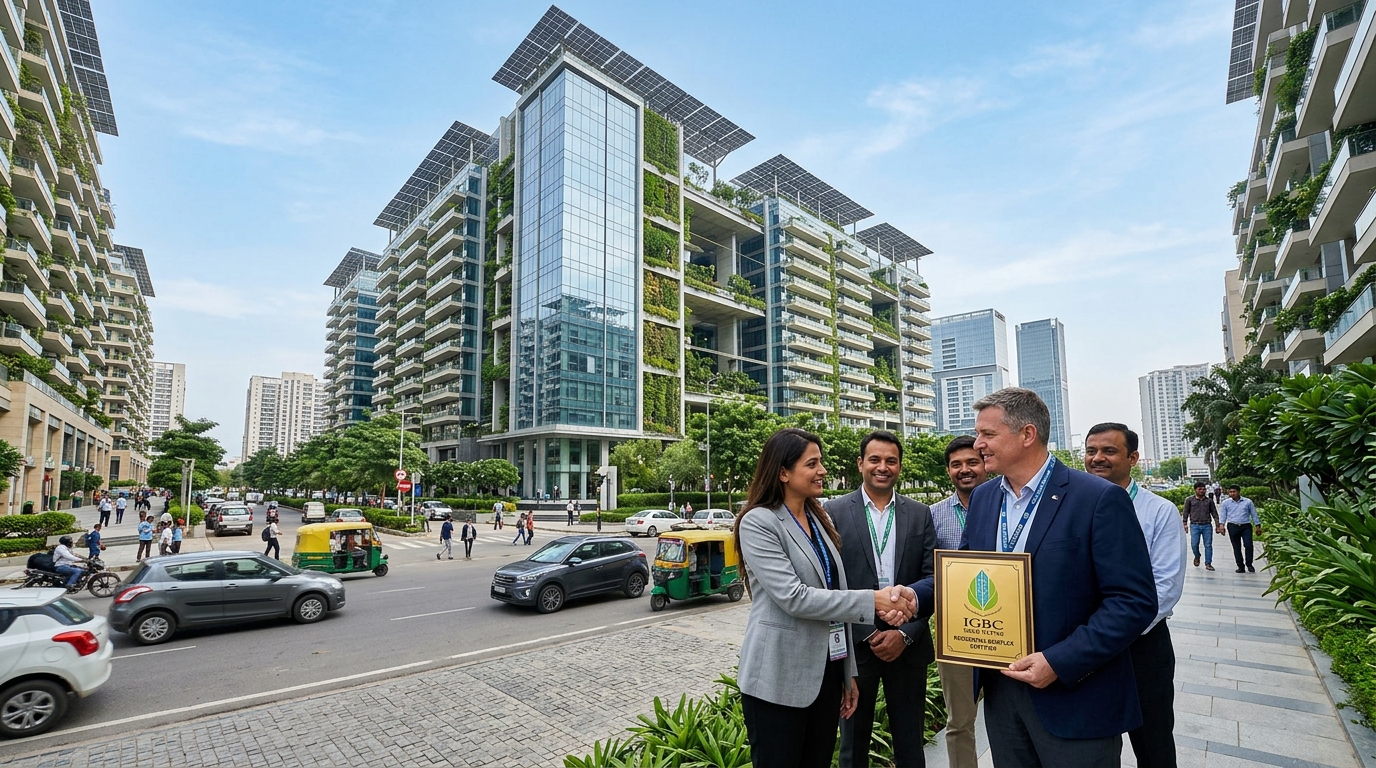
The Significance of IGBC Gold Certification for Trivana
Trivana's achievement of the Indian Green Building Council (IGBC) Gold rating is a noteworthy development in Hyderabad's real estate landscape. This certification signifies that the development meets rigorous environmental standards, encompassing aspects like energy efficiency, water conservation, waste management, and occupant health. For Trivana, this translates into a tangible enhancement of its market appeal, particularly among discerning buyers who prioritize sustainability and well-being alongside luxury and location.
Market Implications: Elevating Demand and Value in Hyderabad's Premium Micro-Markets
The IGBC Gold rating is more than just an environmental endorsement; it's a strategic differentiator that can significantly impact market dynamics. In micro-markets like Gachibowli, Kokapet, and the Financial District, areas already characterized by high demand driven by IT hubs and a burgeoning professional workforce – certified green developments tend to command a premium. This suggests a potential uplift in pricing for Trivana and similar projects, as sustainability becomes an increasingly important factor in buyer decision-making. The enhanced appeal of such properties can also lead to faster absorption rates, influencing the balance between supply and demand in favour of these eco-conscious offerings.
From a broader market perspective, this trend indicates a maturing real estate sector where environmental consciousness is no longer a niche consideration but a driver of value. As more developers adopt green building practices, it could set a new benchmark for quality and desirability across Hyderabad's premium residential segments.
Institutional Investor Perspective: ESG Alignment and Capital Flow
Institutional investors, including private equity firms and Real Estate Investment Trusts (REITs), are increasingly incorporating Environmental, Social, and Governance (ESG) criteria into their investment frameworks. Properties with credible green certifications, such as the IGBC Gold rating, align perfectly with these mandates. This makes Trivana a more attractive asset for institutional capital, potentially leading to increased investment in similar sustainable developments in Hyderabad.
The focus on ESG not only mitigates regulatory and reputational risks but also often correlates with operational efficiencies and long-term value appreciation. Therefore, projects like Trivana that proactively embrace sustainability are likely to witness a greater inflow of institutional investment, driving further development in this direction.
Policy and Regulatory Landscape
While the news doesn't explicitly detail policy shifts, the growing emphasis on green building certifications like IGBC by bodies such as the Confederation of Indian Industry (CII), the governing council of IGBC, signals a supportive regulatory environment. Governments are increasingly incentivizing or mandating sustainable construction practices. This trend, coupled with the market's positive response to certified projects, suggests a future where green building compliance becomes a standard rather than an exception, potentially influencing building codes and development approvals.
Micro-Market Spotlight: Hyderabad's Gachibowli, Kokapet, and Financial District
The impact of Trivana's IGBC Gold rating is particularly relevant to Hyderabad's western corridor, encompassing Gachibowli, Kokapet, and the Financial District. These areas are magnets for global corporations and a highly educated workforce, creating a strong demand for premium residential spaces. The presence of a certified green luxury development like Trivana caters directly to the evolving preferences of this demographic, who are often more aware of and concerned about environmental issues. This can lead to a competitive advantage for Trivana in attracting and retaining residents, thereby influencing property values and rental yields within these specific micro-markets.
Source: The Hans India