The Raashii Khanna Effect: High-Net-Worth Demand and Emerging Luxury Real Estate Opportunities in Hyderabad
Published: April 2026
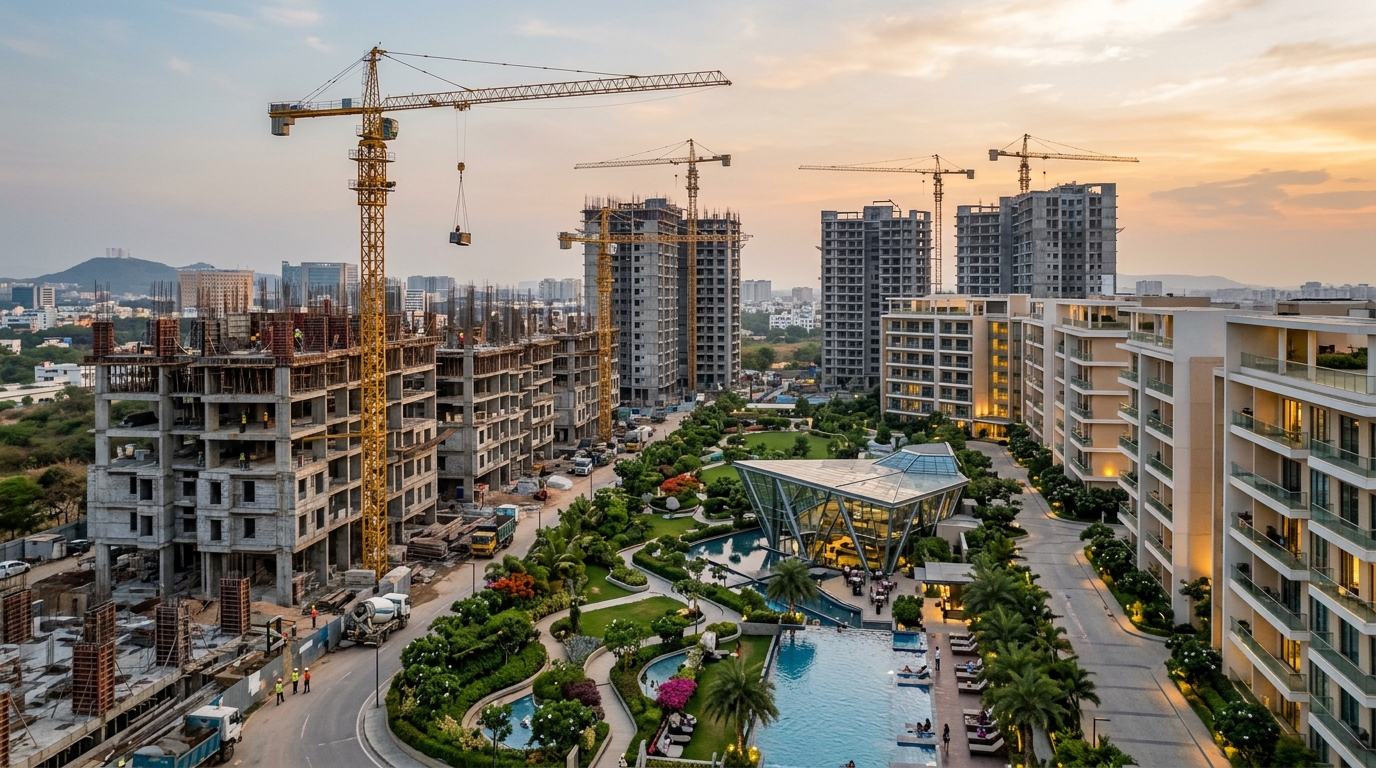
Decoding Demand: What a Star's Home Reveals for Developers
The recent feature on Raashii Khanna's multi-crore Hyderabad residence is more than just a celebrity spotlight; it's a tangible indicator of a burgeoning high-net-worth individual (HNWI) segment actively investing in luxury real estate. For developers and landowners, this signifies a clear upward trend in demand for bespoke, amenity-rich, and aesthetically superior homes. This demand isn't confined to just metros; Hyderabad's economic growth and IT boom have fostered a new class of affluent buyers seeking properties that reflect their success and offer a high quality of life.
This translates directly into opportunities for developers to tap into the premium segment. Landowners in strategically developing areas can command higher valuations for their plots. The key takeaway is that the market is ready for more than just standard housing; it's seeking unique living experiences, premium finishes, and integrated lifestyle amenities that cater to a discerning clientele.
- Identify target demographics within the HNWI segment.
- Develop niche luxury projects with unique selling propositions.
- Explore collaborations with interior designers and architects known for high-end aesthetics.
- Focus on branding and storytelling to appeal to aspirational buyers.
Construction Trends, Approvals, and the Supply Pipeline
The construction trends for such premium properties are shifting towards sustainable luxury, smart home technology, and biophilic design principles. Developers need to anticipate a demand for energy-efficient materials, integrated smart home systems, and spaces that promote well-being. The supply pipeline must adapt to this by incorporating these elements from the design phase. Approvals for luxury projects, while often more scrutinized for quality and amenities, can be streamlined with proactive engagement with local authorities and adherence to evolving building codes.
A potential supply-demand mismatch exists in the ultra-luxury segment. While demand is growing, the supply of truly high-end, well-designed, and amenity-rich homes is still catching up. Developers who can quickly identify prime locations and execute projects that meet these exacting standards will be well-positioned to capture market share. This requires a robust understanding of the construction timeline, efficient material sourcing, and a skilled labor force capable of delivering superior finishes.
- Incorporate smart home technology and sustainable building practices.
- Prioritize quality over speed to meet luxury segment expectations.
- Develop relationships with suppliers for premium construction materials.
- Understand and navigate the approval processes for high-end residential projects.
Location, Location, Luxury: Hyderabad's Prime Hubs
Hyderabad's Gachibowli, Kokapet, and the Financial District are prime examples of micro-markets experiencing significant HNWI influx due to their proximity to IT hubs, corporate offices, and excellent social infrastructure. Properties in these areas, especially those offering exclusivity and premium amenities, are in high demand. Developers who can acquire land or partner with landowners in these vicinities stand to benefit immensely.
The 'celebrity endorsement' effect, even indirectly, adds a halo of desirability to these locales. It signals to potential buyers that these are aspirational neighborhoods, attracting individuals who seek both convenience and prestige. Landowners in these areas should leverage this demand by understanding the prevailing market rates for luxury developments and negotiating accordingly.
- Focus on acquiring land parcels in or near Gachibowli, Kokapet, and the Financial District.
- Design projects that offer superior connectivity and access to business centers.
- Integrate lifestyle amenities such as premium retail, dining, and recreational facilities.
- Consider partnerships with luxury hospitality brands for integrated services.
Navigating Risks and Execution Challenges
While the opportunities are substantial, developers must be mindful of execution challenges. The premium segment demands flawless construction, impeccable customer service, and timely delivery. Any lapse in quality or delays can significantly damage brand reputation and impact sales. Sourcing specialized materials and skilled labor for intricate designs can also pose challenges.
Another risk lies in market volatility and economic downturns, which can disproportionately affect the luxury segment. Developers must conduct thorough market research, maintain conservative financial projections, and build contingency plans. Effective risk management includes ensuring clear titles for land, obtaining all necessary permits and approvals without delays, and managing community perception, especially in established neighborhoods. The ability to execute complex, high-spec projects efficiently is paramount.
- Implement stringent quality control measures throughout the construction process.
- Develop robust project management frameworks to ensure timely delivery.
- Diversify financing options to mitigate market risks.
- Engage experienced legal counsel for land acquisition and approvals.
- Build a strong sales and marketing team specializing in luxury real estate.
Source: The Times of India