The NRI Dilemma: When Two Properties Are Enough. What Does It Mean for Indian Real Estate?
Published: May 2026
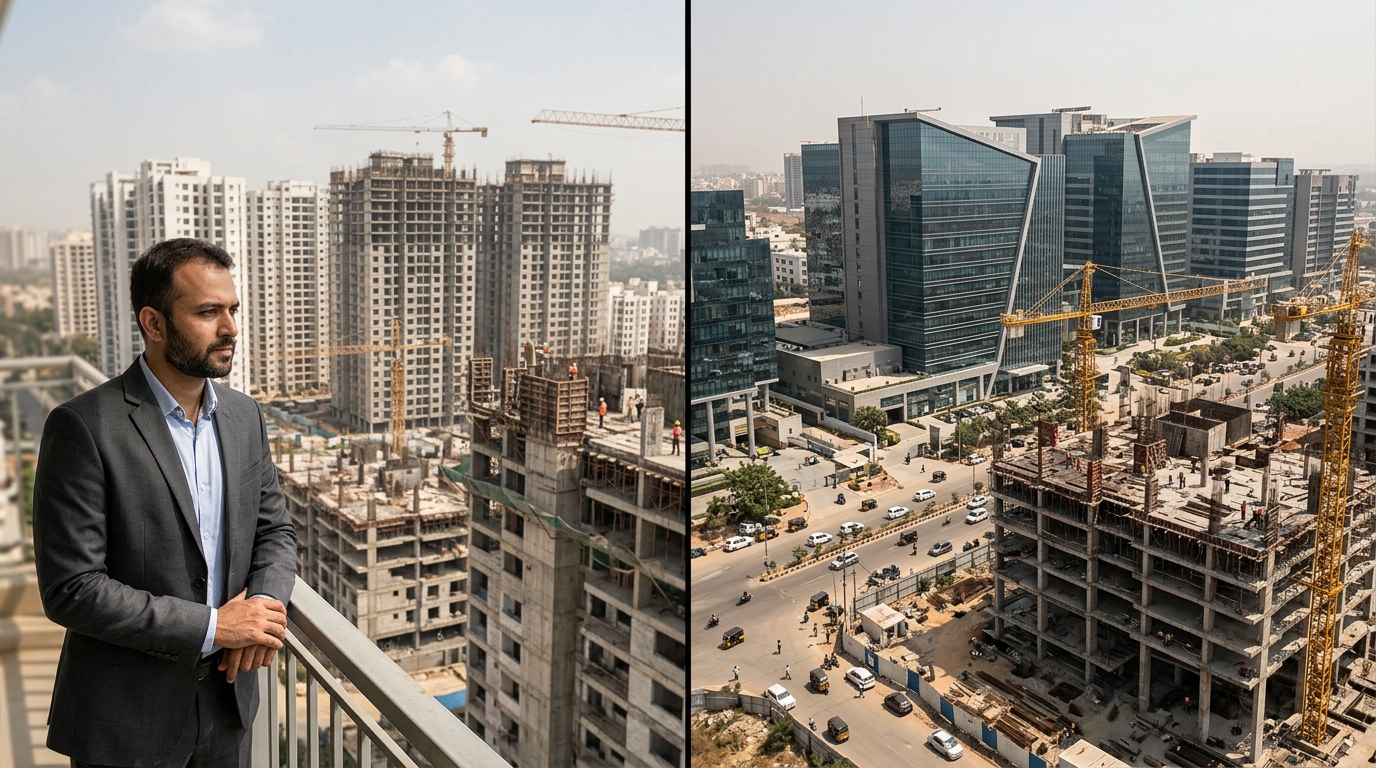
Understanding the NRI Perspective
The news highlights a sentiment that many investors, including NRIs, might share. Owning two properties in India, particularly in high-growth corridors like Bengaluru and Hyderabad, often represents a significant investment. The decision to stop at two could stem from various factors: saturation in personal portfolio, a shift in investment strategy, concerns about property management, or even a perceived plateau in immediate appreciation potential.
For NRIs, managing properties remotely can be challenging. Beyond the initial purchase and potential rental income, ongoing maintenance, tenant management, and legal compliance require diligent oversight. The decision might also reflect a re-evaluation of risk versus reward across global investment opportunities.
- Portfolio diversification strategies
- Challenges of remote property management
- Global investment landscape assessment
Investment Strategy: Now or Wait?
This anecdote doesn't necessarily dictate a market-wide pause. India's real estate market, especially in tier-1 cities, is driven by strong fundamental factors like urbanization, economic growth, and a young demographic. However, for individual investors, particularly those considering their third or subsequent property, a strategic pause to reassess might be prudent.
Factors to consider: Current market cycles in Bengaluru and Hyderabad, evolving interest rate scenarios, and the specific nature of the property (residential vs. commercial, size, location). A buyer with a long-term vision might still find opportunities, while a short-term speculative investor might want to exercise caution.
- Analyze current market cycles (price, demand-supply)
- Evaluate interest rate trends
- Define investment horizon and risk appetite
Price Movement Expectations and Rental Yields
Bengaluru and Hyderabad have seen substantial price appreciation, particularly in IT and tech hubs. While the pace of growth might moderate from its peak, sustained demand driven by job creation and infrastructure development is likely to support steady price movements, rather than a significant downturn in prime micro-markets.
Rental yields in these cities, especially in areas with high concentrations of IT professionals and corporate offices like Gachibowli, Kokapet, and the Financial District in Hyderabad, have been competitive. For well-located properties, a rental yield of 3-5% is often achievable, with capital appreciation adding to the overall return on investment. The NRI's decision could indicate that for them, the 'sweet spot' for yield and appreciation has been reached with their existing holdings.
- Expect steady, not explosive, price growth in prime locations.
- Rental yields remain attractive in job-centric micro-markets.
- Capital appreciation potential continues for well-chosen properties.
Investor Takeaways and Key Micro-Markets
The NRI's sentiment is a cue for potential investors to conduct thorough due diligence. It's not about a universal 'stop' but a personal portfolio evaluation. For those considering their first or second investment property, the fundamental drivers for cities like Bengaluru and Hyderabad remain strong.
Hyderabad's micro-markets such as Gachibowli, Kokapet, and the Financial District are prime examples of areas with robust infrastructure, a thriving IT ecosystem, and significant job creation. These factors historically translate to high rental demand and strong capital appreciation potential, making them attractive for investors seeking long-term growth. The key is to identify specific projects within these micro-markets that offer the best combination of location, amenities, developer reputation, and value.
- Focus on fundamental economic drivers (jobs, infrastructure) for continued growth.
- Hyderabad's IT corridors (Gachibowli, Kokapet, Financial District) remain key investment hotspots.
- Individual portfolio goals and risk tolerance are paramount in decision-making.
Source: Hindustan Times