The Luxury Boom: Hyderabad Leads the Pack as Over 800 High-Net-Worth Homes Find Buyers in FY26
Published: May 2026
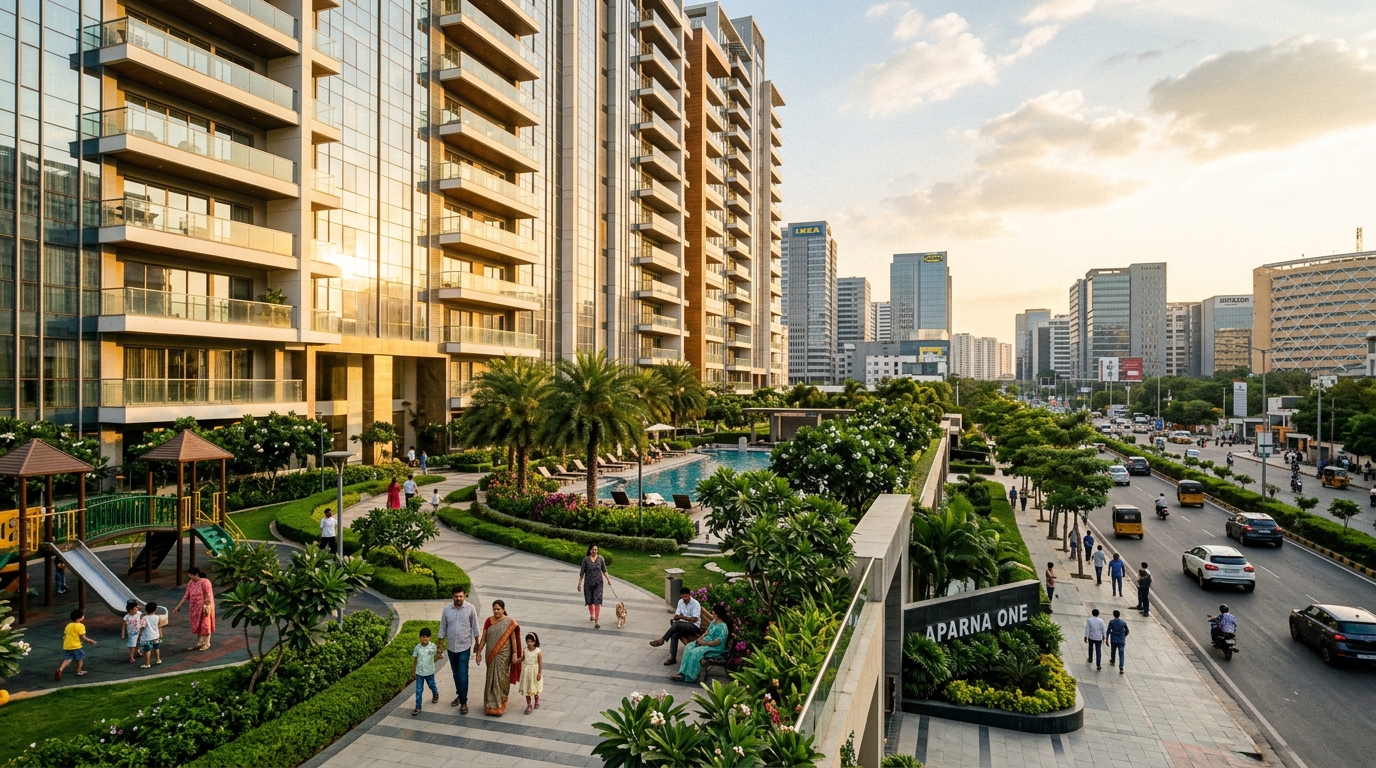
A Tale of Shifting Sands and Solid Investments
The fiscal year 2026 painted a vibrant picture for the Indian luxury real estate market. More than 800 high-end homes, each representing a significant investment and a dream realized, changed hands in the bustling metropolises of Hyderabad, Bengaluru, and Chennai. This isn't a fleeting trend, but a significant indicator of the economic health and evolving property preferences within these key South Indian cities. The sheer volume and value, a colossal Rs 11,246 crore, underscore the enduring allure of premium living and the confidence investors place in these urban centers.
While Bengaluru and Chennai continue to hold their ground as established luxury hubs, it's Hyderabad that emerges as a standout performer, consistently drawing attention for its rapid development and attractive investment potential. This surge is not merely about opulent properties; it's about a confluence of factors that are reshaping the ground-level reality for buyers, investors, and developers alike.
Ground-Level Impact: From Aspiration to Acquisition
For the discerning buyer, this market boom translates into more choices and a heightened sense of value. The demand for luxury isn't just about square footage; it's about bespoke amenities, sustainable living, advanced technology integration, and, crucially, a sense of exclusivity and community. Families are seeking more than just a roof over their heads; they are investing in lifestyles, in safe havens for their loved ones, and in assets that promise capital appreciation. The report signifies that their aspirations are being met with a strong supply from developers who are keenly attuned to these evolving desires.
Investors, both domestic and international, are viewing these luxury properties not just as residences but as strategic assets. The consistent sales indicate a stable and growing rental yield, coupled with the potential for significant capital gains, especially in micro-markets experiencing rapid infrastructure development. For developers, this is a period of both opportunity and challenge. The demand validates their premium offerings, but it also necessitates continuous innovation, adherence to quality, and a deep understanding of market dynamics to stay ahead of the curve. The success of these sales is a direct result of their ability to anticipate and deliver on the 'luxury' promise, from architectural marvels to unparalleled customer service.
Buyers are seeking integrated lifestyles, not just homes.
Investors are cashing in on capital appreciation and stable rental yields.
Developers are driven by innovation and a keen understanding of market needs.
Hyderabad's Rise: A Glimpse into Tomorrow's Hotspots
Hyderabad, in particular, is no longer just an IT hub; it's rapidly becoming a prime destination for luxury real estate, and the FY26 sales figures are a strong validation. Areas like Gachibowli, Kokapet, and the Financial District are no longer just commercial nerve centers but are transforming into aspirational residential enclaves. These locales are attracting a new breed of residents and investors due to their world-class infrastructure, proximity to global corporations, and the development of high-end residential projects that rival global standards.
The future outlook for these South Indian markets, especially Hyderabad, appears robust. As the economy continues to grow and disposable incomes rise, the demand for luxury homes is expected to persist. Developers are likely to focus on creating more integrated communities that offer a holistic living experience, blending residential, retail, and recreational spaces. The trend towards sustainability and smart home technology will only intensify, further defining what 'luxury' means in the Indian context. The Rs 11,246 crore figure is not an endpoint, but a significant milestone on a path of sustained growth and evolving aspirations in India's premium property landscape.
Source: The Economic Times