Telangana's 'Future City' Gambit: Unpacking the Real Estate Investment Potential
Published: May 2026
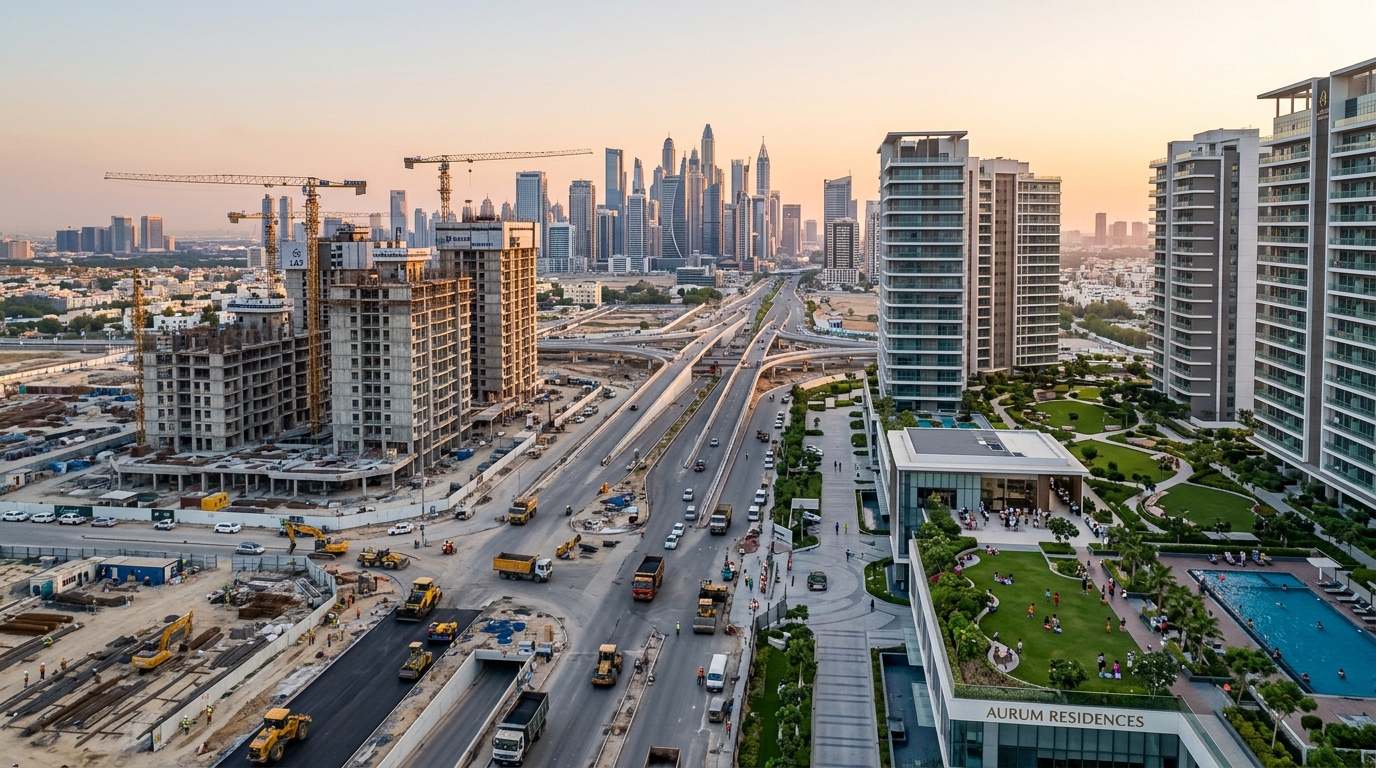
The Vision and its Real Estate Echoes
Telangana's 'Future City' initiative, as reported by The Federal, signals a strategic push to create a new economic powerhouse. While the exact contours of this 'city' are still being defined, the underlying ambition to attract businesses and create jobs will inevitably translate into significant demand for real estate. This includes commercial spaces for these new enterprises, and crucially, residential and ancillary developments to house and support their workforce. The success of such a large-scale urban development hinges on its ability to draw both domestic and international investment, which in turn fuels property markets.
The project's potential success as an economic growth engine is directly correlated with its real estate implications. A surge in job creation will drive demand for housing, retail, and hospitality, while the influx of businesses will require substantial office and industrial space. The key challenge will be balancing this demand with a well-planned and sustainable supply to avoid speculative bubbles and ensure long-term viability.
Market Implications: Demand, Supply, and Pricing Dynamics
The core of 'Future City's' impact will be felt in its effect on demand and supply. Increased economic activity is a direct catalyst for escalating demand across residential (apartments, villas) and commercial (office towers, retail complexes, logistics hubs) segments. For institutional investors, this translates to potential for high rental yields and capital appreciation. The supply side will need to respond proactively, with developers expected to ramp up construction to meet projected needs. Early movers in land acquisition and project development in and around the designated areas stand to benefit the most.
Pricing will be a key indicator of the project's success. As demand outstrips supply in the initial phases, we can anticipate upward pressure on property prices. However, the Telangana government's approach, as suggested by the report's framing of 'real-estate dream,' implies a need for strategic planning to ensure affordability and prevent excessive price hikes that could deter the very economic growth it aims to foster. Data-backed analysis of absorption rates and new project launches will be crucial for navigating these dynamics.
Demand Drivers: Job creation, talent attraction, new business establishment.
Supply Response: Increased construction of residential, commercial, and industrial spaces.
Pricing Trends: Initial upward pressure, followed by stabilization based on market absorption and policy interventions.
Institutional Investor Perspective: Capital Flows and Risk Appetite
For institutional investors, Telangana's 'Future City' represents a significant opportunity, albeit one requiring careful due diligence. The scale of the project suggests a long-term investment horizon, attracting global funds, pension funds, and private equity firms looking for substantial returns. The government's commitment to fostering economic growth provides a crucial layer of confidence. Investors will be scrutinizing the clarity of regulatory frameworks, the availability of infrastructure, and the projected economic multipliers to assess the risk-reward profile.
Capital is likely to flow towards large-scale integrated developments, master-planned communities, and prime commercial land parcels. The trend of 'build-to-suit' deals for anchor tenants in commercial segments is also expected to rise. However, institutional investors will also be wary of projects lacking clear economic fundamentals or robust infrastructure. They will be looking for tangible evidence of job creation and business investment to validate the real estate projections.
Investor Focus: Long-term capital appreciation, rental yield optimization, portfolio diversification.
Key Investment Avenues: Large-scale mixed-use developments, prime commercial land, logistics and warehousing.
Risk Assessment: Regulatory clarity, infrastructure readiness, economic sustainability, talent pool availability.
Policy, Regulation, and Micro-Market Relevance
The success of 'Future City' is intricately linked to the policy and regulatory environment. Clear land titles, streamlined approvals, and consistent government support are vital for attracting both developers and end-users. Any policy shifts impacting urban planning, zoning, or taxation will have a direct bearing on real estate values. The Telangana government's proactive stance in economic development suggests a favorable regulatory climate, but specifics on infrastructure development, environmental clearances, and fiscal incentives will be closely watched.
The micro-markets of Hyderabad, particularly Gachibowli, Kokapet, and the Financial District, are likely to be the immediate beneficiaries and the testing grounds for 'Future City's' impact. These established hubs already possess a concentration of IT and financial services companies, making them natural extensions for new economic zones. Expect heightened demand and potential price appreciation in these areas as they absorb the initial waves of development and talent influx. New infrastructure projects connecting these areas to the proposed 'Future City' will further enhance their attractiveness.
Policy Impact: Streamlined approvals, infrastructure investment, fiscal incentives, urban planning guidelines.
Micro-Market Focus: Hyderabad (overall growth), Gachibowli (IT/Tech growth), Kokapet (residential & commercial), Financial District (corporate & financial services).
Source: The Federal