Shamshabad & Airport Corridor: South Hyderabad's Emerging Real Estate Powerhouse - A Developer's Blueprint
Published: November 2026
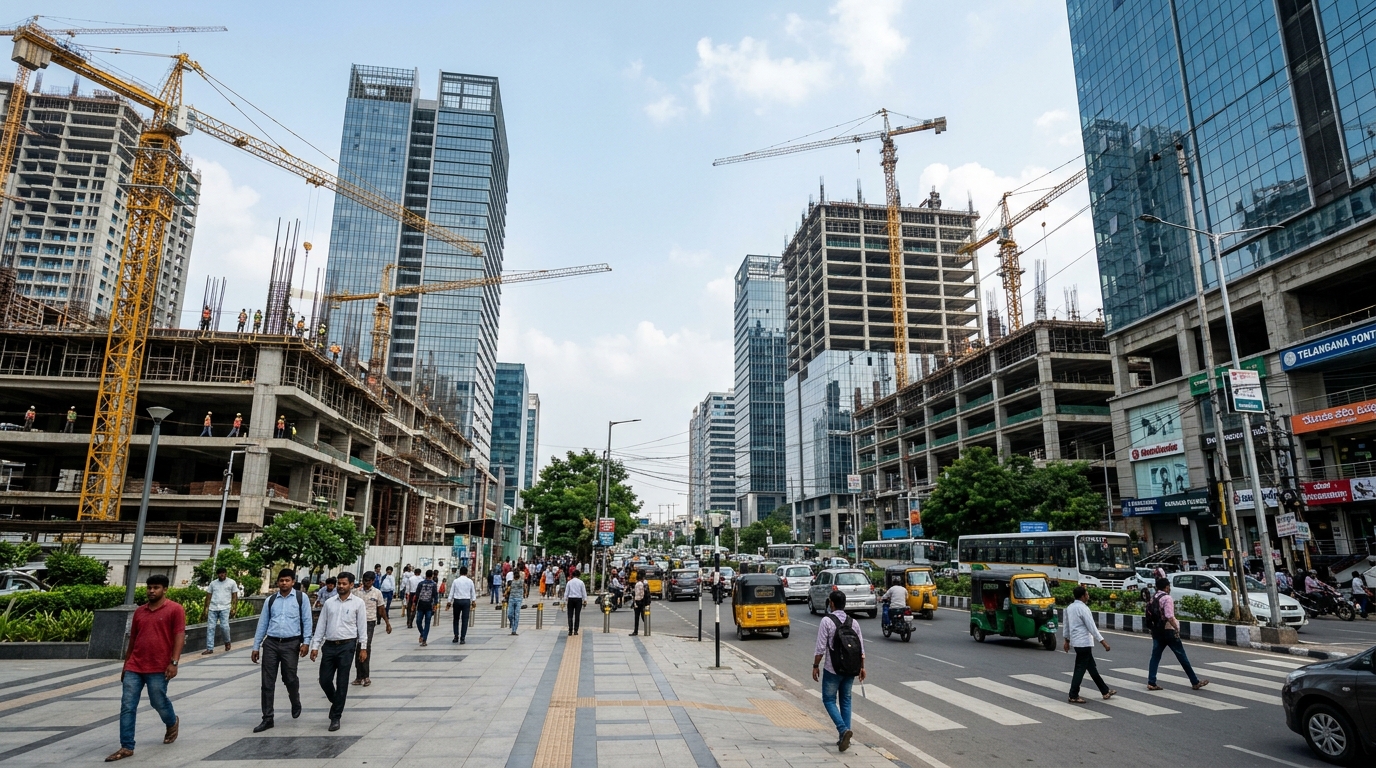
Unlocking Opportunity: The Developer & Landowner Advantage
The burgeoning growth of Shamshabad and the Airport Corridor as a new real estate hub in South Hyderabad is a direct consequence of enhanced connectivity and strategic urban planning. This development presents a prime opportunity for builders to acquire land at potentially more attractive price points compared to established city centers, and develop a range of housing and commercial properties to cater to the influx of residents and businesses drawn to the area. Landowners in this corridor stand to benefit from increased land valuations and demand from developers looking to establish a presence. Early movers can secure prime locations and influence the shape of future developments.
This surge is driven by the airport's expansion, related industrial and IT park developments, and improved road infrastructure. Developers should prioritize understanding the specific demand drivers: will it be affordable housing for airport and ancillary industry workers, mid-segment housing for IT professionals, or premium commercial spaces? Identifying these target demographics early will inform product mix and pricing strategies.
Acquire land strategically before prices fully escalate.
Focus on phased development aligned with infrastructure upgrades.
Tailor product offerings to identified demographic needs (e.g., rental yields for IT professionals, starter homes for industrial workers).
Explore joint venture opportunities with landowners.
Construction Trends, Approvals, and Supply Pipeline Dynamics
The construction landscape in Shamshabad is poised for growth, with an increasing demand for modern infrastructure and diverse housing typologies. Developers can anticipate a need for efficient construction methods and materials that support rapid project completion. The regulatory environment for approvals, while potentially streamlined due to the area's planned development, will require diligent navigation. Early engagement with local authorities is crucial. The supply pipeline, currently nascent, offers a window for developers to establish their brand and market share before increased competition arrives. A proactive approach to securing construction resources and a robust supply chain for building materials will be essential to meet the projected demand.
The current market dynamics suggest a potential supply-demand mismatch in the medium term, especially for well-planned residential and commercial projects that cater to the specific needs of the growing workforce and relocated businesses. Developers who can anticipate and address this gap will be well-positioned for success. Focus on sustainability and smart city concepts can also differentiate projects.
Leverage prefabricated construction techniques for speed and cost-efficiency.
Prioritize sustainable building materials and practices.
Build strong relationships with local authorities for smoother approvals.
Invest in securing long-term contracts with material suppliers.
Conduct thorough market research to forecast housing and commercial space requirements.
Location-Specific Opportunities: Beyond Shamshabad
While Shamshabad and the Airport Corridor are the epicenter, the ripple effect extends to surrounding areas. Developers should also consider the potential of strategically located pockets within or near Gachibowli, Kokapet, and the Financial District, which benefit from the enhanced connectivity to the airport and Shamshabad. These established hubs can absorb overflow demand for commercial spaces and higher-end residential projects, while Shamshabad can cater to a broader spectrum of needs. Proximity to upcoming IT parks and business zones in these peripheral areas will be a key determinant of success. Identifying the specific advantages of each micro-location, whether it's proximity to existing infrastructure, educational institutions, or future employment centers – will be critical for targeted development.
The synergy between these locations creates a comprehensive growth corridor. Developers focusing on Shamshabad might find opportunities to cater to the workforce supporting businesses in the Financial District or Gachibowli, while also attracting those seeking a more accessible lifestyle due to the airport. Understanding the interdependencies between these zones is key to a holistic development strategy.
Analyze connectivity and travel times between Shamshabad and established business districts.
Identify specific amenities and infrastructure gaps in each sub-market.
Develop projects that leverage the unique selling propositions of each location (e.g., affordability in Shamshabad, premium amenities in Financial District).
Consider mixed-use developments that cater to both residential and commercial needs in strategically located areas.
Navigating Risks and Execution Challenges
Despite the immense potential, developers must be cognizant of the inherent risks and execution challenges in a rapidly developing corridor. These include potential infrastructure lags behind the pace of development, fluctuating land prices, and the need for robust marketing to attract buyers to a relatively new destination. Securing adequate financing for projects in a developing area can also be a hurdle. Furthermore, ensuring the quality of construction and timely project delivery will be paramount to building trust and reputation in this emerging market. Potential oversupply in certain segments if multiple developers target the same niche without adequate market absorption needs to be monitored.
Effective project management, strong stakeholder engagement (including local communities and government bodies), and a flexible approach to market changes will be crucial for overcoming these challenges. A phased approach to development, closely tied to infrastructure readiness and demand, can mitigate risks associated with large-scale upfront investment.
Conduct thorough due diligence on land titles and environmental clearances.
Develop a contingency plan for infrastructure development delays.
Secure diversified funding sources to mitigate financial risks.
Focus on creating a strong brand identity and effective pre-launch marketing.
Implement rigorous quality control measures throughout the construction process.
Stay updated on any policy changes or regulatory updates affecting the region.
Source: Business Standard