Riding the Wave: Decoding India's Housing Boom for Developers
Published: August 2026
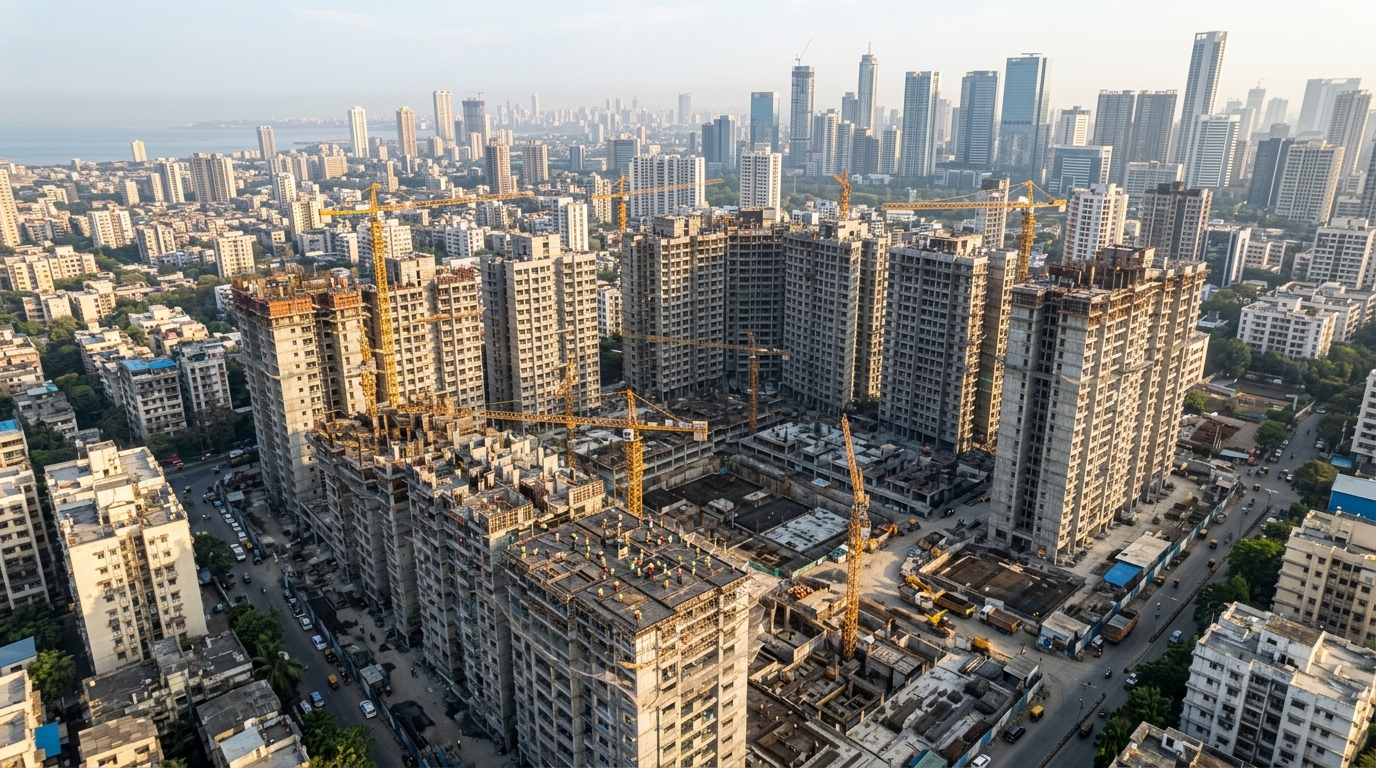
Unprecedented Growth: What it Means for Builders and Landowners
India's real estate market is experiencing an unprecedented surge, with key cities like Noida, Gurugram, Bengaluru, and Hyderabad witnessing price appreciation of up to 125%. This robust growth signifies a strong demand-supply imbalance, coupled with increasing disposable incomes and a preference for homeownership. For builders, this translates to higher profit margins and faster inventory turnover. Landowners in these growth corridors stand to gain significantly from rising land values, making joint development ventures increasingly attractive. The current market sentiment is highly favorable for new project launches and the expansion of existing portfolios.
Increased project viability and faster ROI for developers.
Premium pricing opportunities for new inventory.
Elevated land values creating opportunities for landowners and JV partners.
Stronger investor confidence in the real estate sector.
Construction Trends, Approvals, and the Supply Pipeline
The escalating demand necessitates a ramp-up in construction activities and a streamlined approvals process. Developers must focus on efficient project execution, leveraging modern construction technologies to accelerate timelines and manage costs. The current supply pipeline, while growing, may not be sufficient to meet the projected demand in the short to medium term, especially for well-located and quality developments. Securing timely approvals for land acquisition and project commencement is crucial. Builders should also anticipate potential supply chain disruptions and proactively manage raw material procurement to avoid project delays.
The report's findings suggest a strategic need to increase housing supply, particularly in high-demand micro-markets. This includes exploring vertical construction, pre-fabricated units, and sustainable building practices to enhance efficiency and cater to a wider buyer base. A proactive approach to navigating regulatory frameworks and engaging with local authorities will be key to maintaining a healthy construction pipeline.
Accelerated construction timelines through technology adoption.
Focus on pre-construction planning to mitigate supply chain risks.
Importance of streamlined approvals for project viability.
Potential for increased use of modular and pre-fabricated construction.
Need for sustainable building practices to meet evolving buyer preferences.
Hyderabad's Golden Opportunity: Gachibowli, Kokapet, and the Financial District
Hyderabad, with its booming IT and business ecosystem, is a prime beneficiary of this housing boom, particularly areas like Gachibowli, Kokapet, and the Financial District. These locations are witnessing substantial price appreciation due to a confluence of factors: rapid job creation, excellent infrastructure development, and a growing influx of skilled professionals seeking quality housing. For developers, these micro-markets offer a ripe environment for launching premium residential projects, commercial spaces, and mixed-use developments. The presence of major corporations and a young, aspirational demographic ensures sustained demand for well-appointed residences.
Developers with a presence or those looking to enter Hyderabad should conduct granular market analysis within these specific zones. Understanding the nuances of each locality, from connectivity to social amenities and target buyer profiles, will be critical for successful project positioning. The demand for larger homes and lifestyle amenities is particularly strong in these up-and-coming areas, presenting an opportunity for differentiated offerings.
High demand driven by IT sector growth and job creation in Hyderabad.
Gachibowli, Kokapet, and Financial District as prime growth corridors.
Opportunity for premium residential, commercial, and mixed-use developments.
Targeting a young, aspirational demographic with disposable income.
Focus on integrated lifestyle amenities and superior connectivity.
Navigating Risks and Execution Challenges
While the current market offers immense potential, developers must remain cognizant of inherent risks. Escalating raw material costs, skilled labor shortages, and potential regulatory shifts can impact project profitability and timelines. Intense competition in prime locations can also pressure margins. Furthermore, ensuring project quality and timely delivery is paramount to maintaining buyer trust and brand reputation, especially in a high-growth phase where quick turnarounds are tempting.
Effective risk mitigation strategies include robust financial planning, diversification of project portfolios, and building strong relationships with suppliers and contractors. Continuous market monitoring and agile adaptation to changing consumer preferences are essential. For landowners, thorough due diligence on developer credentials and a clear understanding of the joint development agreement are crucial to protect their interests and ensure project success.
Managing volatile raw material prices and labor costs.
Addressing potential talent shortages in the construction sector.
Mitigating execution risks and ensuring timely project delivery.
Navigating an increasingly competitive development landscape.
Importance of strong financial management and project planning.
Source: Business Today