Navigating the Regulatory Storm: A Wake-Up Call for Hyderabad's Real Estate Sector
Published: July 2026
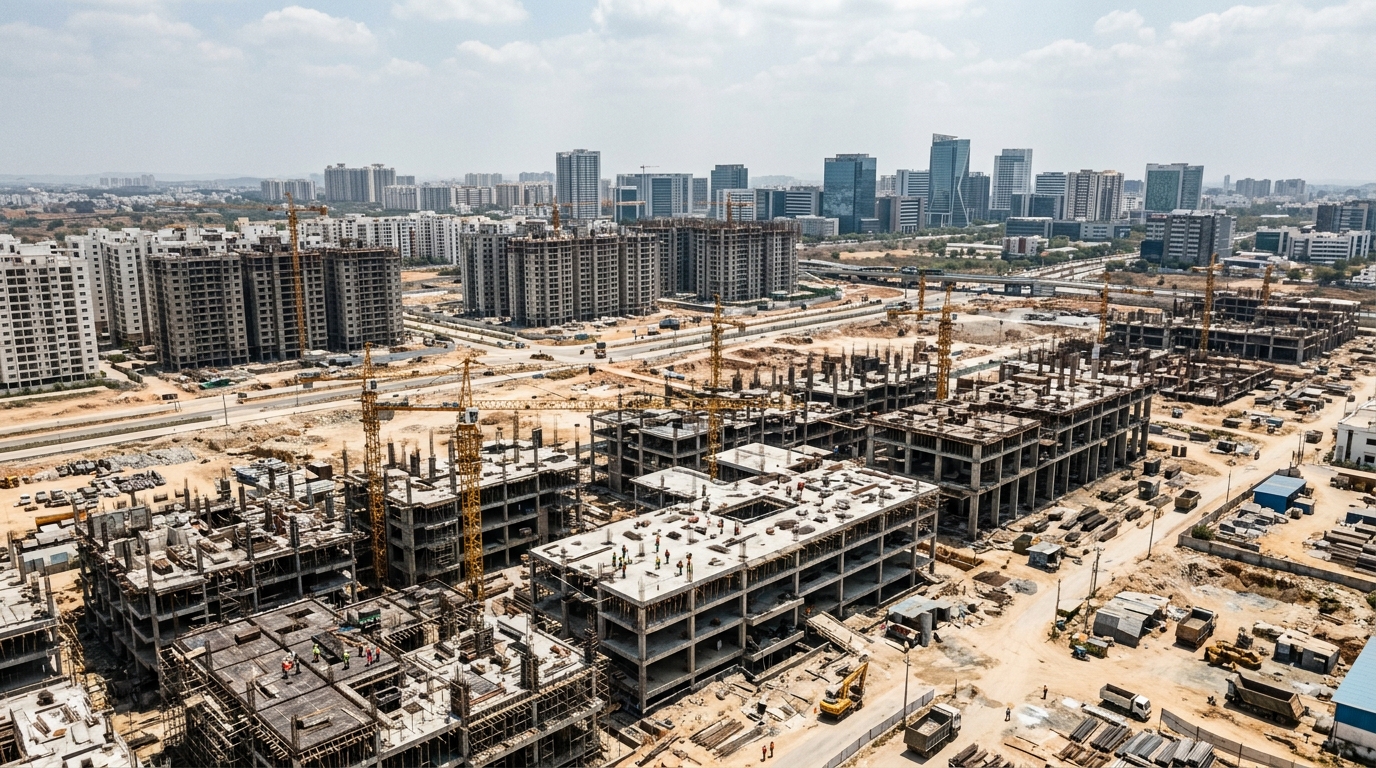
Impact on Developers, Landowners, and the Supply Chain
The registration of a case by Cyberabad EOW against a real estate firm for alleged fraud totaling Rs. 24.88 crore serves as a stark reminder of the regulatory scrutiny and inherent risks within the sector. For developers, this underscores the absolute necessity of transparent dealings, robust due diligence on land acquisition, and impeccable financial management. Reputational damage from such incidents can be catastrophic, impacting future funding, partnerships, and customer trust. Landowners, too, face heightened caution. They must ensure thorough vetting of developers before entering into agreements, scrutinizing their track record, financial stability, and adherence to legal frameworks. This event could lead to more stringent landowner demands for upfront guarantees and stricter contract clauses. The construction supply pipeline might experience delays as financiers and suppliers adopt a more risk-averse approach, demanding greater assurances and potentially increasing the cost of capital and materials for less established entities.
This incident could also inadvertently slow down the approval process. Regulatory bodies, while aiming for efficiency, may become more cautious in granting permits, demanding extensive documentation and verification to prevent further fraudulent activities. This increased scrutiny, while necessary for long-term market health, poses short-term challenges for project timelines and cash flow management for legitimate developers.
Enhance due diligence for all parties involved in land acquisition.
Strengthen financial transparency and reporting mechanisms.
Prioritize ethical business practices to build and maintain trust.
Expect increased regulatory oversight and potentially longer approval cycles.
Construction Trends, Approvals, and the Supply Pipeline
While this specific case points to fraud, the broader Hyderabad real estate market, particularly in its thriving IT corridors, continues to experience strong demand. However, the incident may force a re-evaluation of construction trends. Developers might pivot towards more sustainable and legally sound development models, prioritizing compliance over aggressive expansion. The 'approvals' pipeline, a perennial challenge, could become even more arduous. Authorities might implement stricter checks, potentially leading to delays and increased compliance costs for new projects. This could exacerbate the existing supply-demand mismatch in key micro-markets, further driving up property values for completed and legally sound projects.
For the supply pipeline, this might mean a consolidation where well-established, reputable developers with proven track records and robust compliance frameworks will gain an advantage. Smaller or less experienced players may struggle to secure funding and raw materials, leading to a more concentrated market dominated by trusted entities.
Focus on transparent and legally compliant project execution.
Anticipate longer and more rigorous approval processes.
Strengthen relationships with reliable and vetted suppliers.
Consider the potential for increased construction costs due to enhanced compliance.
Location-Specific Opportunities in Hyderabad's Growth Corridors
Hyderabad's IT hubs like Gachibowli, the Financial District, and emerging areas like Kokapet continue to be attractive for real estate investment due to sustained job growth and infrastructure development. This incident, while concerning, does not negate the fundamental demand drivers in these locations. Developers with a clear, legally compliant, and transparent business model can still capitalize on these opportunities. The key will be demonstrating a strong commitment to ethical practices and regulatory adherence, especially when dealing with landowners and potential buyers in these high-stakes markets.
The heightened regulatory environment might actually benefit developers who are already operating with a high degree of integrity. Their ability to navigate approvals and demonstrate trustworthiness will become a significant competitive advantage. Conversely, projects in these prime locations associated with any form of regulatory ambiguity or past controversies will face greater investor and buyer scrutiny.
Emphasize transparent land acquisition and clear ownership documentation in Gachibowli and Financial District.
Highlight robust legal and compliance frameworks for projects in Kokapet.
Focus on building trust and a strong reputation within these high-demand markets.
Leverage ongoing infrastructure development as a selling point, backed by solid legal standing.
Mitigating Risks and Execution Challenges
The primary risk highlighted is financial impropriety and potential fraud, which can lead to severe legal repercussions and reputational damage. Execution challenges stemming from this include potential funding dries up for projects perceived as high-risk, increased due diligence by financial institutions, and the possibility of project delays due to intensified regulatory scrutiny. For developers, the solution lies in proactive risk management. This involves thorough legal vetting of all land titles, clear and auditable financial records, transparent communication with all stakeholders, and adherence to all building codes and environmental regulations.
Building a robust internal compliance team and engaging external legal and financial advisors specializing in real estate can significantly mitigate these risks. Furthermore, a strategic focus on delivering projects on time and within budget, coupled with transparent communication regarding progress and any unforeseen challenges, will foster trust and build resilience against market volatility and regulatory shifts.
Implement stringent internal controls for financial transactions.
Conduct comprehensive legal audits of all land acquisitions and project documentation.
Foster a culture of transparency and ethical conduct throughout the organization.
Develop contingency plans for potential delays in approvals and funding.
Source: INDToday