Navigating the Extended Horizon: How TGRERA's Validity Extension Impacts Hyderabad Real Estate Developers
Published: August 2026
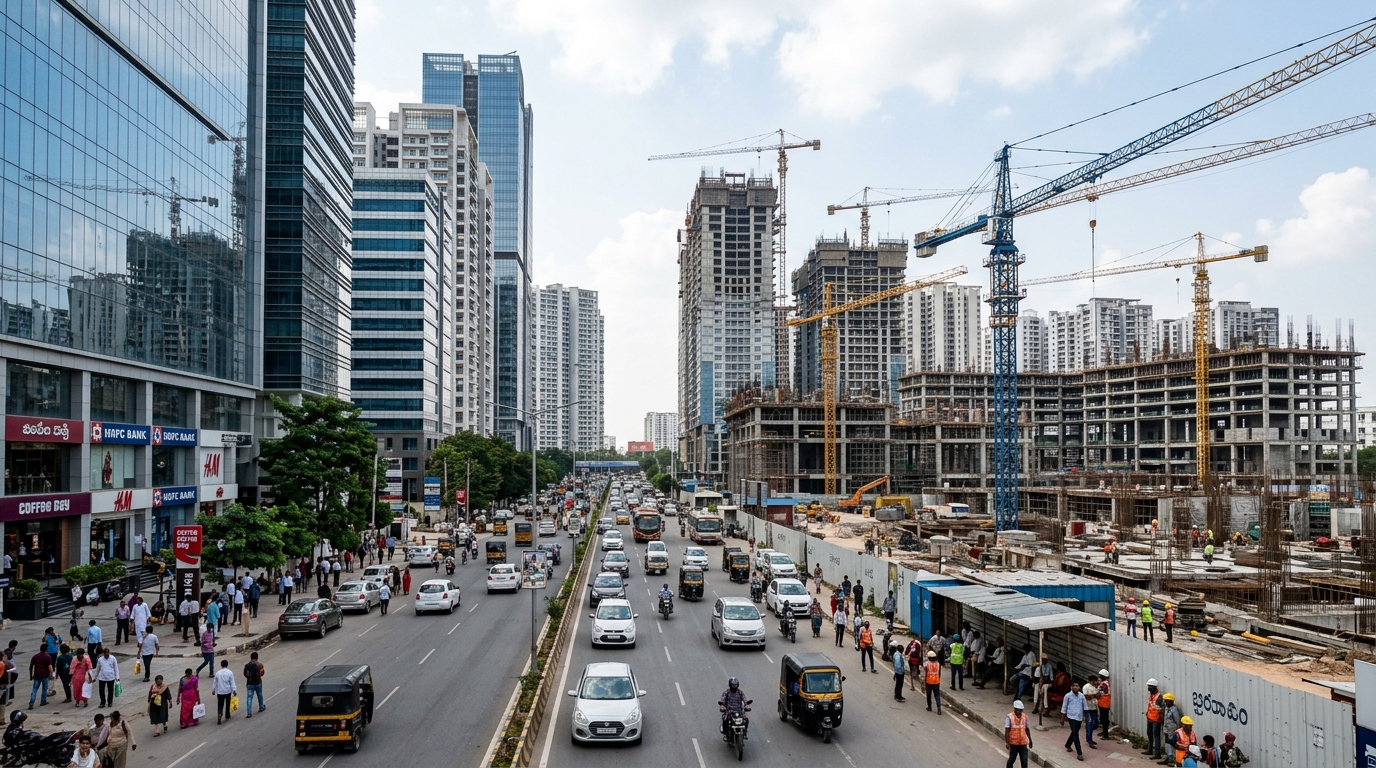
Understanding the TGRERA Extension: A Boon for Developers
The recent extension of project validity by the Telangana Real Estate Regulatory Authority (TGRERA) is a significant development for the real estate sector. Driven by the escalating West Asia crisis, which has ripple effects on global supply chains and investor sentiment, this decision provides much-needed breathing room for developers. For builders, this means more time to procure materials, manage labor, and potentially adjust sales strategies without the immediate pressure of expiry deadlines. Landowners, who are often dependent on project commencement and timely delivery, also benefit from a more stable development pipeline, reducing the risk of stalled projects and potential disputes.
This extension acts as a buffer against unforeseen disruptions. The West Asia crisis, while seemingly distant, can impact the cost and availability of key construction materials like steel and certain imported components. By granting more time, TGRERA acknowledges these external pressures and allows developers to navigate these complexities more effectively. It's a pragmatic step towards safeguarding project viability and maintaining market stability.
- Extended timelines for project completion.
- Reduced immediate pressure on material procurement.
- Improved stability for landowner agreements.
- Mitigation of risks associated with supply chain disruptions.
Implications for Construction, Approvals, and Supply Pipeline
The extended validity can influence construction trends by allowing for more phased development and potentially longer construction cycles if material availability remains a concern. Developers might reconsider their batch procurement strategies, opting for staggered purchases to mitigate price volatility. While TGRERA's extension primarily addresses project deadlines, it indirectly impacts the approvals pipeline. Projects with extended timelines might require revalidation of certain permits or extensions on specific clearances, necessitating proactive engagement with local authorities. The supply pipeline, particularly for imported materials or those with international sourcing, will remain a key focus. Developers must enhance their vendor management and explore alternative sourcing options to ensure continuity.
For a city like Hyderabad, which has a robust construction ecosystem, this extension could lead to a more measured pace of development. Instead of a rush to complete, developers might focus on quality and sustainability, leveraging the extended timeframe. This also presents an opportunity to re-evaluate construction technologies and methods that offer greater resilience to supply chain shocks.
- Potential for phased development and longer construction cycles.
- Need for proactive revalidation of certain approvals.
- Emphasis on enhanced vendor management and alternative sourcing.
- Opportunity to explore resilient construction technologies.
Hyderabad's Hotspots: Navigating Opportunities in Gachibowli, Kokapet, and the Financial District
Areas like Gachibowli, Kokapet, and the Financial District in Hyderabad are prime targets for development, characterized by high demand and significant FDI. The TGRERA extension is particularly relevant here. Developers with ongoing or planned projects in these micro-markets can utilize the additional time to refine their product offerings, align with evolving market preferences, and ensure seamless execution. The prolonged timelines allow for a more strategic approach to sales and marketing, especially for luxury and premium segments where buyers often require more time for decision-making. The ability to delay project completion slightly can also help align with the delivery of supporting infrastructure, enhancing the overall project value.
However, these prime locations also face intense competition and high land costs. Developers must leverage the extended validity to ensure their projects stand out. This could involve incorporating smart home technologies, focusing on green building certifications, or developing integrated lifestyle amenities that cater to the discerning buyer in these areas. The supply pipeline in these high-demand zones needs to be carefully managed to avoid a glut, even with extended project timelines.
- Strategic refinement of product offerings in high-demand areas.
- Enhanced alignment with evolving market preferences.
- Improved sales and marketing strategies for premium segments.
- Opportunity to integrate with evolving infrastructure development.
Risks and Execution Challenges in an Extended Environment
While the TGRERA extension offers relief, it's not without its risks. The extended duration could lead to increased holding costs for developers, including interest on loans and ongoing maintenance. Furthermore, the underlying geopolitical instability could persist or escalate, leading to prolonged supply chain disruptions and potential price hikes for construction materials. The risk of fluctuating buyer sentiment also remains; while some may appreciate the extended timelines, others might perceive it as a sign of developer distress, impacting sales momentum. Execution challenges will center on maintaining team morale and project momentum over a longer period, ensuring quality control doesn't slip, and managing cash flows effectively to cover the extended project lifecycle.
Developers must proactively address these challenges by securing financing for the extended period, locking in material prices where possible through hedging strategies, and maintaining transparent communication with buyers. Diversifying material sourcing and building stronger relationships with trusted suppliers will be crucial. The ability to adapt to changing economic conditions and market demands will be key to successful execution in this extended project validity environment.
- Increased holding costs and financing requirements.
- Persistent supply chain volatility and potential price increases.
- Risk of fluctuating buyer sentiment and sales momentum.
- Challenges in maintaining project momentum and quality control over extended periods.
Source: Telangana Today