Navigating Telangana's Land Allotment: What the 22A Controversy Means for Hyderabad Real Estate Developers
Published: September 2026
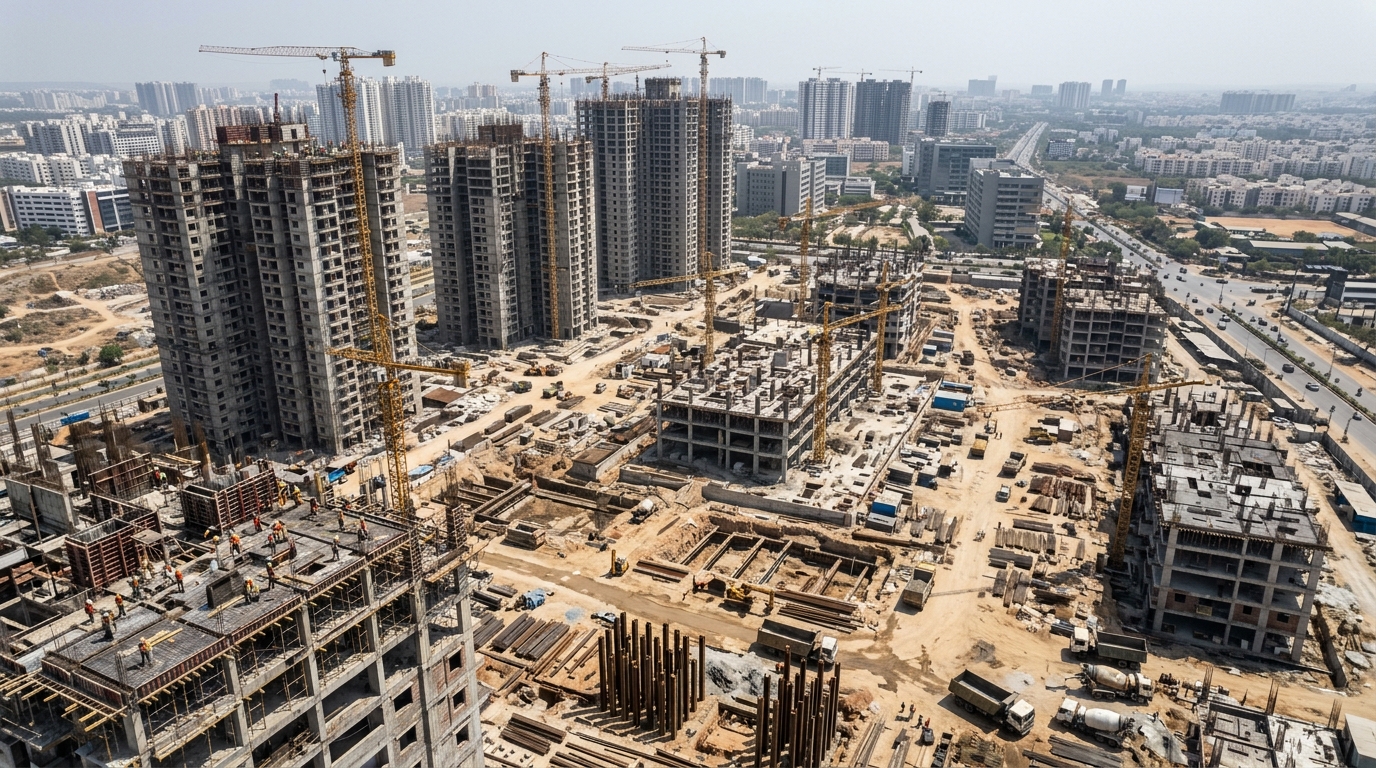
Understanding Section 22A and its Impact on Developers
Recent reports highlighting the Congress government's alleged misuse of Section 22A of the Telangana Land Revenue Act warrant close attention from all stakeholders in the Hyderabad real estate market. This section, pertaining to land regularization and disputes, can significantly influence the clarity of land titles and the ease with which developers can acquire and commence projects. For builders and landowners, this translates to potential delays in obtaining clear titles, increased due diligence requirements, and a heightened risk of legal challenges to land ownership.
The core concern lies in the potential for arbitrary application of Section 22A, which could lead to the retrospective classification of lands as 'assigned' or 'government land,' thereby impacting existing land deals and future acquisitions. This uncertainty directly affects the construction pipeline, as project approvals are contingent on unencumbered land titles. Developers relying on timely approvals for their planned inventory may face unforeseen delays, impacting their financial projections and market delivery commitments.
- Increased scrutiny on land titles and historical ownership records.
- Potential for extended due diligence periods for land acquisition.
- Heightened risk of litigation for both developers and landowners.
Construction Trends, Approvals, and the Supply Pipeline in Hyderabad
The operational efficiency of Hyderabad's real estate sector, particularly in high-growth corridors like Gachibowli, Kokapet, and the Financial District, is intrinsically linked to the clarity and stability of land regulations. Any perceived instability or opacity in land allotment processes, as suggested by the 22A controversy, can directly impede the flow of new constructions. Developers might become more hesitant to launch new projects or expand their existing portfolios if there's a risk of title disputes resurfacing.
This can lead to a widening supply-demand mismatch, especially in sought-after micro-markets. As the demand for quality housing and commercial spaces continues to rise in Hyderabad's thriving economic hubs, a slowdown in new project launches due to regulatory uncertainties will only exacerbate the issue. Builders must factor in potential delays in obtaining all necessary approvals, including building permits and environmental clearances, which are often dependent on clear land titles. The existing supply pipeline could be disrupted, leading to longer waiting periods for end-users and potentially driving up prices for completed inventory.
- Slower pace of new project launches in key growth corridors.
- Increased lead times for obtaining construction and development permits.
- Potential exacerbation of the supply-demand gap.
- Greater reliance on meticulously verified land records for all new acquisitions.
Location-Specific Opportunities and Risks in Hyderabad
Areas like Gachibowli, Kokapet, and the Financial District in Hyderabad are magnets for investment, driven by IT and financial sector growth. However, these prime locations are also susceptible to increased regulatory attention and higher land values, making land title clarity even more critical. Developers operating in these regions must exercise extreme caution and conduct thorough legal vetting of all land parcels.
The risks for builders include significant capital lock-in due to delayed project commencements. Execution challenges can arise from unexpected legal injunctions or claims against land ownership, even after initial acquisition. For landowners, the opportunity lies in proactively addressing any existing ambiguities in their land titles. The challenge for both parties is navigating the bureaucratic landscape with enhanced diligence, potentially requiring more robust legal counsel and extended negotiation periods.
- Heightened risk of title disputes in high-value corridors like Kokapet and Financial District.
- Potential for increased acquisition costs due to thorough due diligence requirements.
- Need for robust legal teams to navigate complex land regulations.
- Opportunity for landowners to proactively clarify and strengthen their land titles.
Mitigating Risks and Ensuring Execution
For developers and builders, the current situation underscores the importance of comprehensive risk management strategies. Investing in robust legal due diligence, including title searches, encumbrance certificates, and historical land records, is no longer optional but a necessity. Forming strong relationships with local legal experts specializing in land revenue laws can provide invaluable insights and proactive solutions.
Furthermore, exploring pre-approved project sites or lands with established clear titles can mitigate some of the immediate risks. For new land acquisitions, incorporating contingency clauses in sale agreements that account for potential title-related delays or disputes can protect developers' interests. In this dynamic regulatory environment, adaptability and meticulous planning are key to successful execution and sustained growth in Hyderabad's competitive real estate market.
- Mandatory comprehensive legal due diligence for all land acquisitions.
- Incorporating contingency clauses in land purchase agreements.
- Prioritizing land parcels with demonstrably clear and undisputed titles.
- Engaging specialized legal counsel for navigating land revenue laws.
Source: The Times of India