Navigating Project Delays: Lessons from Vasavi Urban for Hyderabad Developers
Published: November 2026
Implications for Builders and Landowners
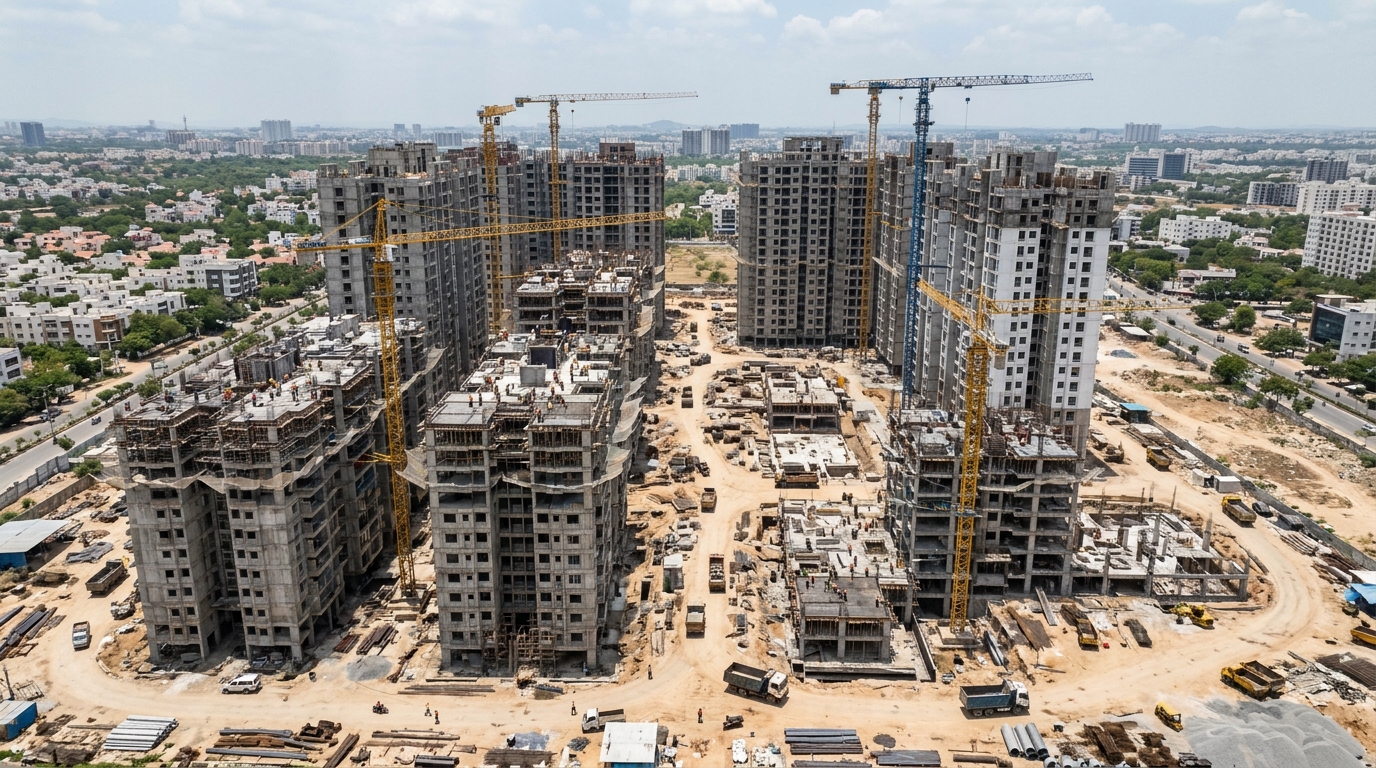
The Vasavi Urban incident underscores the severe reputational and financial damage that project delays can inflict. For builders, this means increased scrutiny from homebuyers and regulatory bodies, potentially impacting future sales and access to capital. Landowners partnering with developers need to exercise due diligence, ensuring their developer partners have a robust execution strategy and transparent communication channels. Delays can also lead to disputes and potential loss of land value if projects stall indefinitely.
This situation emphasizes the importance of realistic project timelines and transparent communication with all stakeholders. Builders must proactively manage expectations and keep buyers informed about progress, potential roadblocks, and revised delivery schedules. Landowners should seek developers with a proven track record and robust financial backing to mitigate these risks. A collaborative approach focused on timely delivery is paramount to maintaining market confidence and safeguarding investments for both parties.
- Reinforce contractual clauses regarding timely possession.
- Implement robust project monitoring and reporting systems.
- Ensure adequate financial provisioning for unforeseen delays.
- Explore phased development strategies to de-risk large projects.
Construction Trends, Approvals, and Supply Pipeline
Project delays are often rooted in challenges within the construction ecosystem. Issues such as delays in obtaining essential approvals (like RERA, environmental clearances, building permits), a tight supply chain for construction materials, and skilled labor shortages can significantly impede progress. The current market, while experiencing high demand, is also susceptible to these bottlenecks. Developers must anticipate and mitigate these factors by building buffer times into their schedules and cultivating strong relationships with suppliers and labor contractors.
The pressure to deliver quickly in a high-demand market can sometimes lead developers to overcommit to aggressive timelines. A more prudent approach involves securing all necessary approvals upfront and building a resilient supply chain. Diversifying suppliers, exploring prefabrication where feasible, and investing in training for local labor can create a more stable construction pipeline. Understanding the regulatory landscape and engaging proactively with authorities is also key to avoiding approval-related delays.
- Prioritize obtaining all regulatory approvals before commencing sales.
- Develop contingency plans for material procurement and labor availability.
- Explore innovative construction technologies to accelerate timelines.
- Maintain strong relationships with local municipal bodies and regulatory agencies.
Hyderabad's Dynamic Market: Location-Specific Opportunities and Risks
Hyderabad, particularly areas like Gachibowli, Kokapet, and the Financial District, continues to attract significant investment and demand for residential properties, driven by its booming IT and business sectors. This sustained demand presents a massive opportunity for developers. However, the very competitiveness of these prime locations can exacerbate execution challenges. Increased land costs, a high volume of ongoing projects, and a concentrated demand for skilled labor can make it harder to maintain project momentum.
While Bachupally might represent a slightly more affordable segment, the issues highlighted by the Vasavi Urban protest are not confined to a single micro-market. Developers targeting these growth corridors must differentiate themselves not just through amenities but through superior project management and delivery reliability. Building a reputation for on-time delivery in Hyderabad's fast-paced environment is a significant competitive advantage, attracting discerning buyers and fostering long-term brand loyalty. Understanding local infrastructure development plans and zoning regulations is also crucial for site selection and project feasibility.
- Analyze micro-market supply-demand dynamics for targeted development.
- Focus on differentiated product offerings to stand out in competitive hubs.
- Leverage digital tools for project tracking and customer communication in high-demand areas.
- Invest in understanding and integrating with local community needs and infrastructure growth.
Risks and Execution Challenges for Developers
The Vasavi Urban situation is a stark reminder of the multifaceted risks inherent in real estate development. Beyond market fluctuations and approval hurdles, execution challenges include escalating construction costs due to inflation, unforeseen site conditions, and the constant need for stringent quality control. Poor project management can lead to cost overruns, missed deadlines, and ultimately, dissatisfied customers, which can severely damage a developer's brand equity.
To mitigate these risks, developers must adopt a proactive and disciplined approach to project execution. This involves meticulous planning, rigorous cost management, regular site inspections, and a robust risk assessment framework. Building strong relationships with reputable contractors and suppliers is also critical. Furthermore, investing in experienced project management teams and leveraging technology for real-time monitoring and communication can significantly enhance efficiency and reduce the likelihood of such disruptive delays. Transparency with homebuyers, even during challenging phases, can help manage expectations and maintain trust.
- Implement a comprehensive risk management framework for all projects.
- Conduct thorough due diligence on contractors and suppliers.
- Invest in advanced project management software and techniques.
- Foster a culture of quality and accountability throughout the development team.
Source: Hyderabad Mail