Navigating Hyderabad's 22-A Restrictions: A Strategic Playbook for Developers
Published: August 2026
Understanding the 22-A Impact: What Builders and Landowners Need to Know
The recent imposition of 22-A restrictions in Hyderabad is a critical development for the real estate sector. Essentially, these restrictions are impacting properties with specific land classifications or ownership disputes, leading to delays and complications in approvals and transactions. For builders, this translates to potential project delays, increased holding costs, and uncertainty in the supply pipeline. Landowners may find their property values temporarily affected, and the ease of selling or developing their land will be scrutinized.
The core of the issue lies in ensuring clear titles and adherence to zoning regulations. Developers relying on swift approvals for new projects or phased expansions will need to factor in extended timelines. The immediate consequence is a potential bottleneck in the supply of new inventory, especially in areas with a high concentration of properties under scrutiny.
Delayed project approvals and commencement certificates.
Increased due diligence requirements for land acquisition.
Potential rise in litigation costs for title verification.
Impact on property valuation and investor sentiment.
Construction Trends, Approvals, and the Supply Pipeline Under Pressure
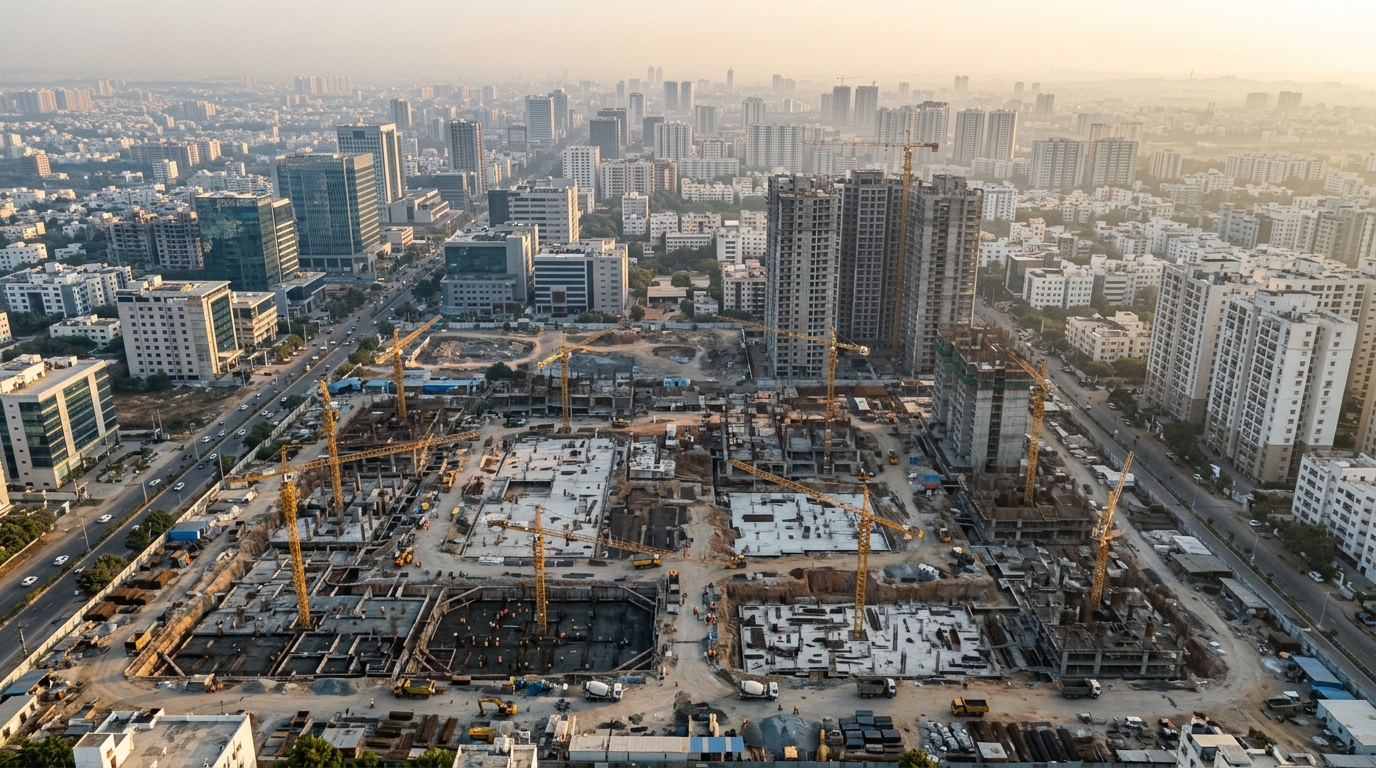
The 22-A restrictions directly affect the construction supply pipeline. Projects that were slated for immediate launch or are in advanced stages of planning might experience hold-ups as authorities conduct thorough reviews. This could lead to a temporary slowdown in new construction starts, particularly for large-scale residential and commercial developments.
For developers, adapting to this environment means prioritizing projects with unblemished land titles and ensuring meticulous documentation from the outset. There's a growing trend towards transparency and compliance, which will likely reward developers who proactively address these concerns. The long-term effect could be a more robust and trustworthy property market, but the short-to-medium term presents execution challenges and a potential supply-demand mismatch as genuine projects face unwarranted delays.
Increased scrutiny on land title authenticity.
Extended timelines for obtaining building plan approvals.
Potential for a temporary reduction in new project launches.
Emphasis on pre-construction due diligence and legal vetting.
Location Spotlight: Gachibowli, Kokapet, and the Financial District - Opportunities Amidst Challenges
Hyderabad's premium micro-markets like Gachibowli, Kokapet, and the Financial District, which have seen exponential growth, are likely to be areas where 22-A restrictions are closely monitored. These hubs attract significant investment and are prime targets for large-scale developments. While the restrictions could slow down the pace of new launches, they also present a unique opportunity for developers who can navigate the regulatory landscape effectively.
Properties with clear titles in these sought-after locations will become even more valuable. Developers who can secure and expedite projects in these areas, despite the current climate, will be well-positioned to capitalize on sustained demand from IT professionals and businesses. The key will be to focus on projects that demonstrate absolute legal clarity and compliance, potentially leading to a premium in both pricing and investor confidence.
Focus on securing land parcels with verified clear titles in premium locations.
Leveraging existing, approved projects to maintain construction momentum.
Exploring joint ventures with landowners who have clear titles.
Targeting the segment of buyers prioritizing trust and legal security.
Risks and Execution Challenges: A Strategic Approach
The primary risks for developers include extended project timelines, increased legal and administrative costs, and the potential for negative investor sentiment if delays become widespread. Executing projects under these new restrictions requires a robust risk management framework and a proactive legal and compliance team.
Developers should consider diversifying their land acquisition strategies, focusing on acquiring land that has undergone thorough title verification. Building strong relationships with regulatory bodies and engaging in transparent communication with stakeholders will be crucial. The challenge lies in balancing the urgency of market demand with the necessity of regulatory compliance. Those who can demonstrate agility and a commitment to legal integrity will not only survive but thrive in this new phase of Hyderabad's real estate development.
Mitigating financial exposure due to prolonged project cycles.
Strengthening internal legal and compliance departments.
Developing contingency plans for regulatory hurdles.
Maintaining investor confidence through transparent communication.
Source: hyderabadmail.com