MAK Fern's Launch: A Signal for Hyderabad's Luxury Villa Market & Opportunities for Builders
Published: November 2026
Implications for Builders and Landowners: Unlocking Premium Niches
The entry of prominent developers like MAK Projects into the luxury villa segment near Tukkuguda, a rapidly developing corridor, signifies a growing appetite for high-end, community-centric living. For builders, this validates the market's potential for well-appointed, larger-format residences. It signals a shift beyond mass-market apartments, opening doors for specialized construction and design. Landowners in similar strategically located, developing peripheries of Hyderabad can now explore higher valuations and partnership opportunities with developers focusing on upscale projects. The emphasis on 'gated communities' suggests a premium on security, exclusivity, and integrated amenities, which buyers are increasingly willing to pay for.
This trend suggests that while the Hyderabad market continues to be robust, there's a discernible upward movement in demand for quality and lifestyle. Developers looking to capitalize need to differentiate their offerings through superior design, sustainable features, and an enhanced resident experience. For landowners, understanding the specific requirements of luxury developments – such as ample space, access to infrastructure, and aesthetic appeal – will be crucial in negotiating favourable terms.
Builders should consider specializing in bespoke villa designs and construction.
Landowners should assess their land parcels for suitability for luxury gated communities (size, location, access).
Explore joint development agreements with established luxury developers.
Focus on offering unique amenities that cater to the affluent demographic.
Construction Trends, Approvals, and Supply Pipeline
The successful launch and subsequent construction of "MAK Fern" will rely heavily on efficient supply chain management and adherence to quality standards. Developers in this segment must ensure a steady pipeline of premium construction materials, skilled labor capable of executing intricate designs, and advanced construction technologies. The project's scale (15 acres) implies a significant undertaking, requiring robust planning for infrastructure development within the community, such as internal roads, utilities, and landscaping. The proximity to Tukkuguda suggests potential integration with emerging civic infrastructure, but also highlights the need for developers to proactively manage their own site development.
Navigating the approval process for larger, integrated developments like this can be complex. Timely acquisition of all necessary clearances from local authorities will be paramount to avoid project delays. The supply pipeline for luxury villas, while growing, still faces potential bottlenecks in terms of specialized finishes and premium fittings. Developers who can establish reliable sourcing channels for high-quality materials will have a competitive edge. Forecasting demand against the existing and upcoming supply of luxury villas in Hyderabad is key to mitigating inventory risks.
Secure long-term contracts with suppliers for premium construction materials.
Invest in training and retaining a skilled workforce for specialized construction tasks.
Streamline the internal approval and design coordination process to expedite construction.
Maintain a lean and efficient inventory of materials to avoid cost overruns.
Location-Specific Opportunity: Hyderabad's Growth Corridors
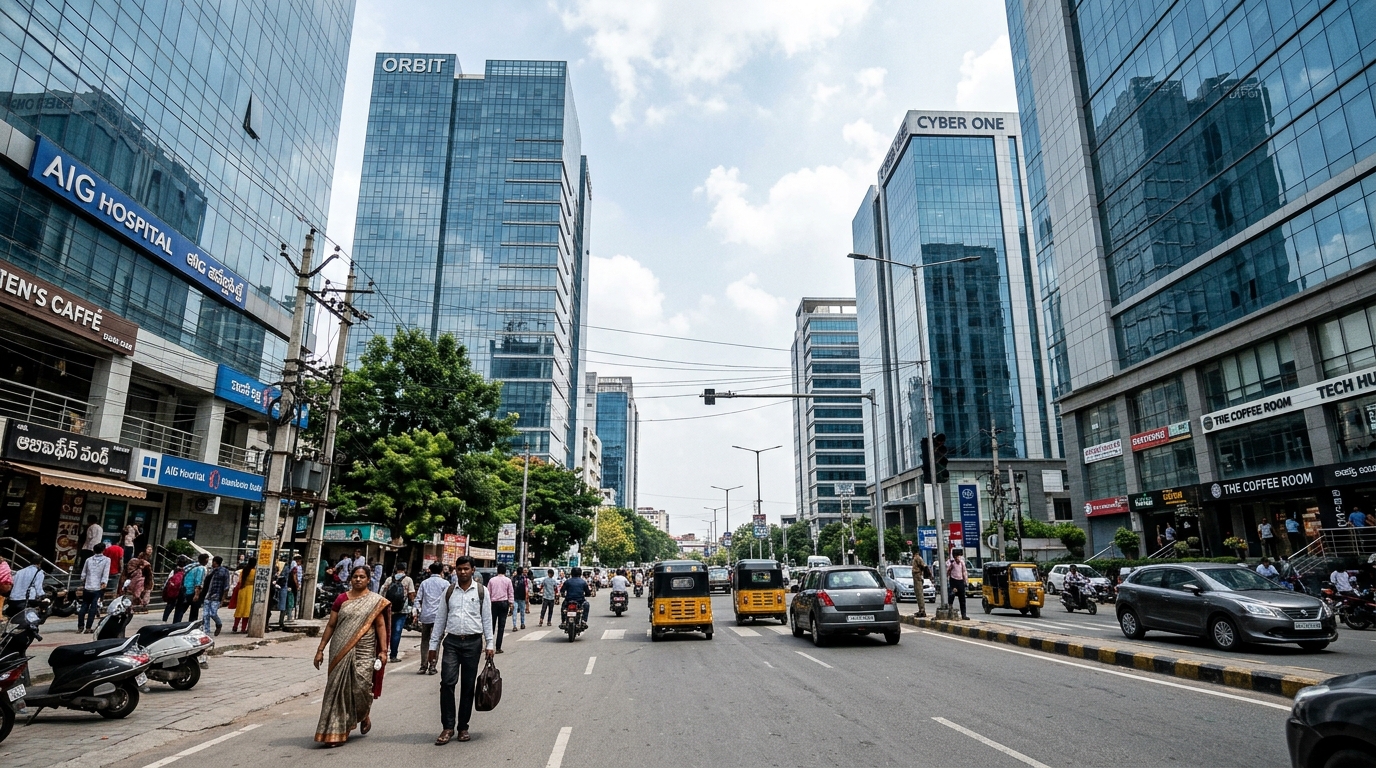
The choice of Tukkuguda as the location for "MAK Fern" is strategic. This area is emerging as a significant growth corridor, benefiting from its proximity to the Outer Ring Road (ORR) and the increasing commercial and IT development in areas like Gachibowli, Kokapet, and the Financial District. While Gachibowli and the Financial District have seen a surge in apartment complexes and commercial spaces, the demand for luxury villas in well-connected, yet relatively more serene, suburban locations is a growing trend. This creates an opportunity for developers to tap into a segment of buyers who seek a balance between urban accessibility and a quieter, more spacious lifestyle.
The development of infrastructure and amenities in the Tukkuguda region will be critical for the long-term success of such projects. Developers launching in these newer growth corridors need to factor in the demand drivers from established hubs. This means understanding the commute times, accessibility to educational institutions, healthcare facilities, and entertainment zones that would appeal to the target demographic. The success of "MAK Fern" could catalyze further development in this specific micro-market, potentially increasing land values and attracting more niche developers.
Analyze the infrastructure development roadmap for the Tukkuguda region.
Map connectivity to key business districts like Gachibowli and the Financial District.
Identify underserved lifestyle amenities in the vicinity that can be incorporated into the project.
Understand the buyer profiles migrating from established IT corridors seeking premium housing.
Risks and Execution Challenges
Despite the positive market signals, developers launching luxury villa communities face inherent risks. One of the primary challenges is execution excellence. Delivering on the promise of luxury requires meticulous attention to detail in construction quality, landscaping, and amenity management. Any lapse can significantly impact brand reputation and resale value. The current market also presents a supply-demand mismatch in certain segments, and while luxury villas are in demand, oversupply or mispricing can lead to slower sales velocity. Economic downturns or shifts in buyer sentiment can also impact the sales of high-value properties.
Another critical challenge is timely project completion. Delays can lead to cost escalations and erode buyer confidence. Effective project management, robust contingency planning, and proactive risk mitigation are essential. Furthermore, the regulatory environment, while improving, can still present hurdles. Ensuring compliance with all local building codes, environmental regulations, and RERA guidelines is non-negotiable. For developers of large gated communities, managing homeowner associations and ensuring ongoing community upkeep are also long-term operational challenges that need to be factored into the business model from the outset.
Maintain stringent quality control throughout the construction lifecycle.
Develop a realistic pricing strategy that reflects market value and buyer affordability.
Implement strong project management practices to ensure timely delivery.
Anticipate and mitigate regulatory compliance risks.
Plan for the long-term operational and maintenance aspects of a gated community.
Source: India Education Diary