HYDRECON 2026: A Blueprint for Developers in Hyderabad's Booming Real Estate Market
Published: April 2026
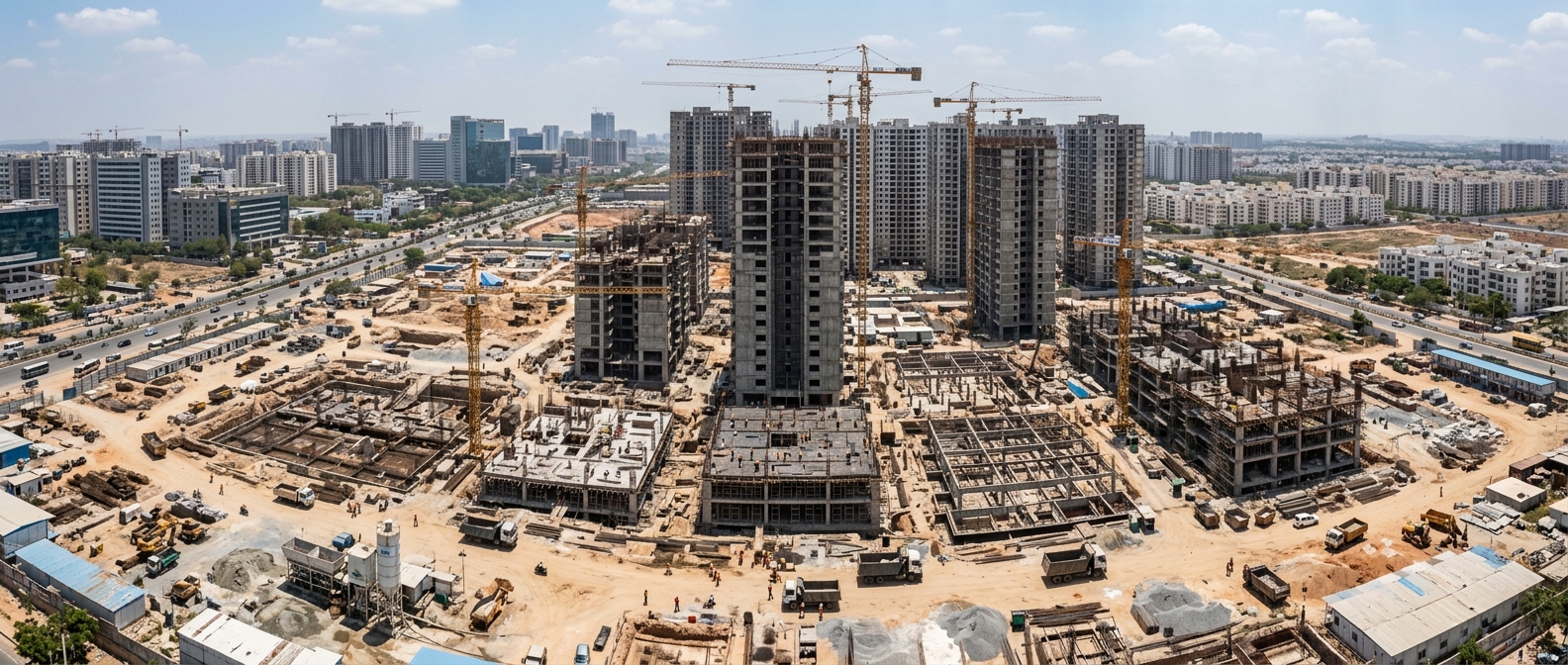
Decoding the Growth: Opportunities for Builders and Landowners
The HYDRECON 2026 summit has unequivocally positioned Hyderabad as a prime growth engine for the Indian real estate sector. For builders, this translates to a sustained demand across residential, commercial, and retail segments. The momentum suggests a healthy pipeline of projects requiring significant construction expertise and investment. Landowners in and around the city, particularly those in emerging corridors, stand to benefit from increased land acquisition interest and potentially higher valuations as infrastructure development and economic activity escalate.
The 'growth' highlighted at HYDRECON isn't just a projection; it's an indication of ongoing economic vibrancy and population influx, both of which are fundamental drivers of real estate demand. Developers who can align their product offerings with the evolving needs of this expanding demographic, focusing on modern amenities, sustainable designs, and integrated living solutions, will be best positioned for success. For landowners, understanding the city's development trajectory and engaging with reputable developers early can unlock significant long-term value.
Builders: Focus on scalable projects meeting diverse demand (mid-income to luxury residential, Grade-A commercial, experiential retail).
Landowners: Strategize land utilization for mixed-use developments or partner with developers for phased growth.
Investment: Anticipate sustained investor interest, enabling easier project financing.
Construction Trends, Approvals, and Supply Pipeline
Hyderabad's real estate growth is underpinned by a proactive approach to infrastructure development, which in turn influences construction trends. We can expect a rise in demand for sustainable building materials and technologies, driven by both environmental consciousness and potential cost efficiencies in the long run. Prefabrication and modular construction might see increased adoption to accelerate project timelines and address potential labor shortages.
The speed and efficiency of project approvals are critical for maintaining the supply pipeline. While the news doesn't detail this, a growing real estate market necessitates a streamlined regulatory environment. Developers need to stay abreast of any policy changes and leverage digital platforms for faster clearances. The current supply pipeline appears robust, but monitoring inventory levels against absorption rates will be crucial to avoid oversupply in specific micro-markets.
Construction Tech: Embrace BIM, prefabrication, and smart building solutions.
Sustainability: Integrate green building practices and energy-efficient designs.
Approvals: Proactively engage with authorities and utilize digital submission processes.
Supply Chain: Monitor material costs and ensure timely procurement to maintain project schedules.
Location-Specific Opportunities: Gachibowli, Kokapet, and the Financial District
The HYDRECON 2026 spotlight strongly suggests continued growth in Hyderabad's established and emerging IT and financial hubs. Gachibowli, already a thriving IT and residential zone, will likely see sustained demand for premium residential and commercial spaces. Developers should explore opportunities for integrated townships and co-living/co-working spaces to cater to the young, mobile workforce.
Kokapet, often referred to as the 'New Financial District,' presents a significant opportunity for large-scale, mixed-use developments. Its strategic location and ongoing infrastructure upgrades make it attractive for both residential and commercial projects, including premium office spaces and high-end housing. The Financial District itself will continue to attract corporate occupiers, driving demand for ancillary retail and high-quality residential offerings in its vicinity. Developers with a focus on master-planned communities and Grade-A commercial assets will find fertile ground here.
Gachibowli: Focus on premium residential, co-living, and student housing.
Kokapet: Target large-scale mixed-use developments, premium residential, and Grade-A office spaces.
Financial District: Cater to corporate needs with high-end residential and retail amenities.
Connectivity: Prioritize projects with excellent connectivity to these prime growth corridors.
Navigating Risks and Execution Challenges
While the growth narrative is compelling, developers must remain cognizant of inherent risks. Fluctuations in raw material prices, labor availability and cost, and evolving regulatory landscapes can impact project timelines and profitability. A supply-demand mismatch, though currently not a dominant concern, could emerge in specific micro-markets if rapid, unchecked development occurs.
Execution challenges are paramount. Maintaining construction quality, adhering to deadlines, and managing stakeholder expectations are critical. Robust project management, agile decision-making, and a deep understanding of local market dynamics are essential. Furthermore, securing timely financing and navigating potential legal or environmental clearances can pose significant hurdles. Developers who adopt a forward-thinking approach, mitigating these risks through thorough due diligence and strategic planning, will thrive in Hyderabad's dynamic real estate environment.
Market Volatility: Monitor commodity prices and adjust procurement strategies.
Regulatory Changes: Stay informed about zoning laws, RERA compliance, and environmental regulations.
Labor Management: Implement effective HR policies to attract and retain skilled labor.
Financing: Secure diverse funding sources and maintain strong relationships with financial institutions.
Competition: Differentiate offerings through unique value propositions and superior execution.
Source: The New Indian Express