Hyderabad's Realty Market Under Scrutiny: The ₹4 Crore Scam and Its Investment Implications
Published: July 2026
The Incident and Immediate Market Reaction
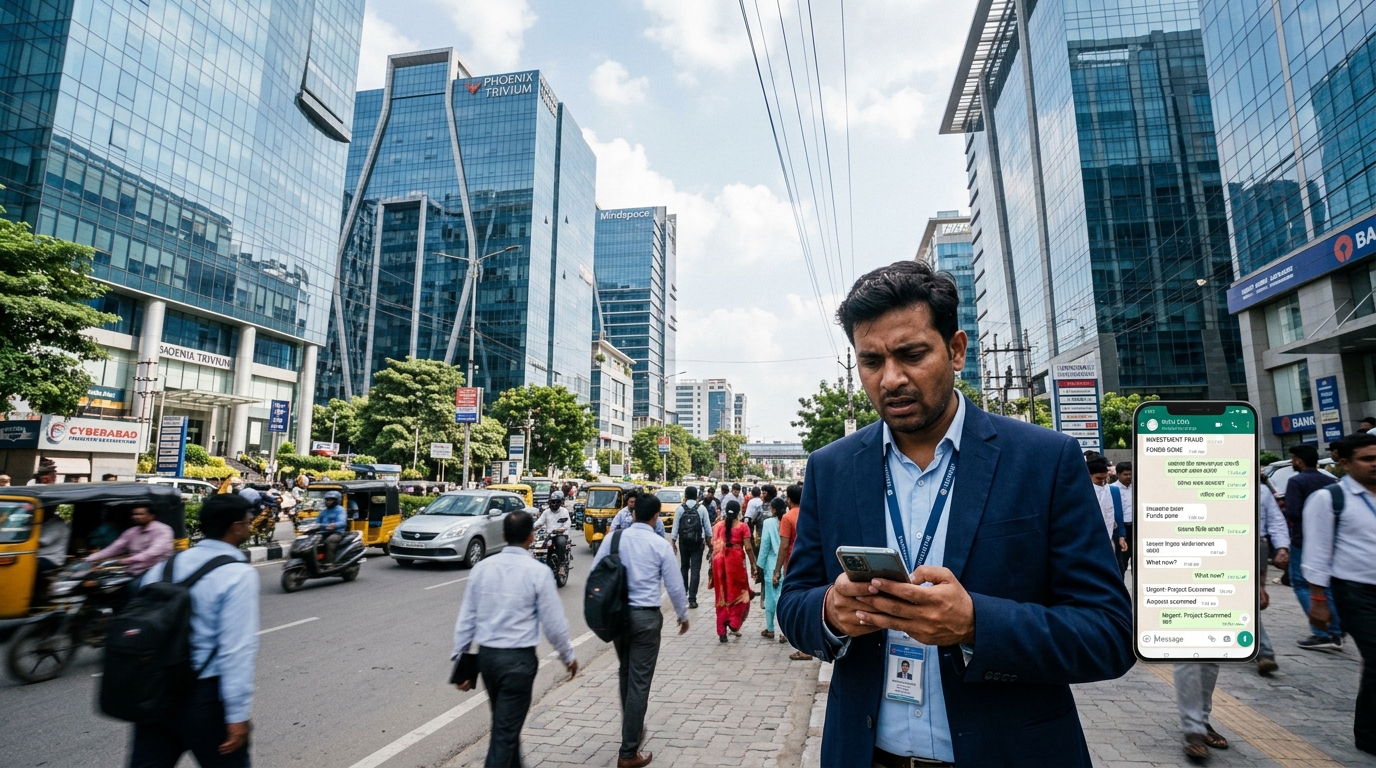
A shocking news report from The Times of India details a scam where fake WhatsApp messages, allegedly impersonating a Managing Director, defrauded a realty firm of over ₹4 crore. While the specifics of the scam remain under investigation, its emergence casts a shadow of doubt over transaction security and corporate governance within the real estate sector. In a market known for its rapid growth and significant capital inflows, such incidents, though isolated, can erode buyer confidence and create a ripple effect of caution.
The immediate implication for the market is a potential slowdown in transaction velocity as both individual and institutional buyers heighten their scrutiny of deal integrity. This could indirectly impact pricing if a significant dip in buyer sentiment leads to increased negotiation power for purchasers, particularly in high-value segments.
- Increased due diligence by buyers and investors.
- Potential temporary dampening of transaction volumes.
- Heightened awareness of cybersecurity and internal controls for real estate firms.
Institutional Investor Perspective: Navigating Risk in a Growth Market
For institutional investors, who are crucial drivers of capital flow in Hyderabad's real estate, this incident serves as a stark reminder of operational and reputational risks. While Hyderabad's market, particularly in micro-markets like Gachibowli, Kokapet, and the Financial District, continues to offer attractive returns due to sustained demand from IT/ITeS and BFSI sectors, this fraud necessitates a more robust risk assessment framework. Investors will likely intensify their vetting of developer credentials, escrow account mechanisms, and digital transaction security protocols.
The capital flow direction may not see a drastic shift away from Hyderabad, given its fundamental growth drivers. However, investors might favor developers with a proven track record of transparency, strong corporate governance, and advanced digital security measures. Furthermore, there could be an increased preference for structured deals with clear safeguards against fraudulent activities, potentially leading to higher due diligence costs and longer deal closure periods for certain types of transactions.
- Reinforced need for robust due diligence on developer governance and security.
- Preference for transparent and digitally secure transaction processes.
- Potential for increased demand for escrow services and secure payment gateways.
- Focus on developers with strong compliance and cybersecurity infrastructure.
Policy and Regulatory Landscape: The Drive for Enhanced Safeguards
Incidents like this invariably put pressure on regulatory bodies to strengthen oversight. While RERA (Real Estate Regulatory Authority) aims to bring transparency, such scams often expose gaps in areas beyond project registration, such as corporate internal controls and digital communication security. This could spur discussions around mandatory digital security audits for real estate firms or stricter guidelines for communication protocols, especially for high-value transactions. The need for greater clarity and enforcement on digital fraud prevention in real estate transactions becomes paramount.
The market might see a push for more stringent cybersecurity mandates, potentially impacting how real estate firms conduct their internal and external communications. This could lead to increased compliance costs for businesses but ultimately enhance trust and reduce systemic risk.
- Potential for stricter cybersecurity regulations for real estate firms.
- Increased focus on RERA's oversight of internal corporate governance.
- Advocacy for clearer guidelines on digital transaction security.
- Emphasis on fraud prevention mechanisms in real estate communication.
Micro-Market Relevance: Hyderabad's Growth Zones Under the Spotlight
Hyderabad's prime micro-markets such as Gachibowli, Kokapet, and the Financial District are magnets for investment due to their robust infrastructure and thriving commercial ecosystems. These areas attract significant capital for both commercial and residential developments. The reported scam, while not specific to any particular micro-market, impacts the broader investor sentiment towards Hyderabad. Developers operating in these premium locations will need to demonstrate impeccable operational integrity and robust security measures to maintain investor confidence and sustain the current demand-supply dynamics.
The continued demand for Grade-A office spaces and premium residential units in these micro-markets remains strong, driven by economic growth and job creation. However, the credibility of the entities involved in transactions will be as critical as the fundamental market drivers. Any perceived erosion of trust could lead to increased negotiation on pricing or longer deal cycles, particularly for off-plan sales and large-scale investments.
- Heightened scrutiny on developers in Gachibowli, Kokapet, and Financial District.
- Sustained demand drivers (IT/ITeS, BFSI) but with increased focus on developer credibility.
- Potential for slower deal closures if trust is compromised.
- Emphasis on transparency and robust security in premium project sales.
Source: The Times of India