Hyderabad's Realty Boom: GCCs Drive Demand, Developers Must Adapt
Published: September 2026
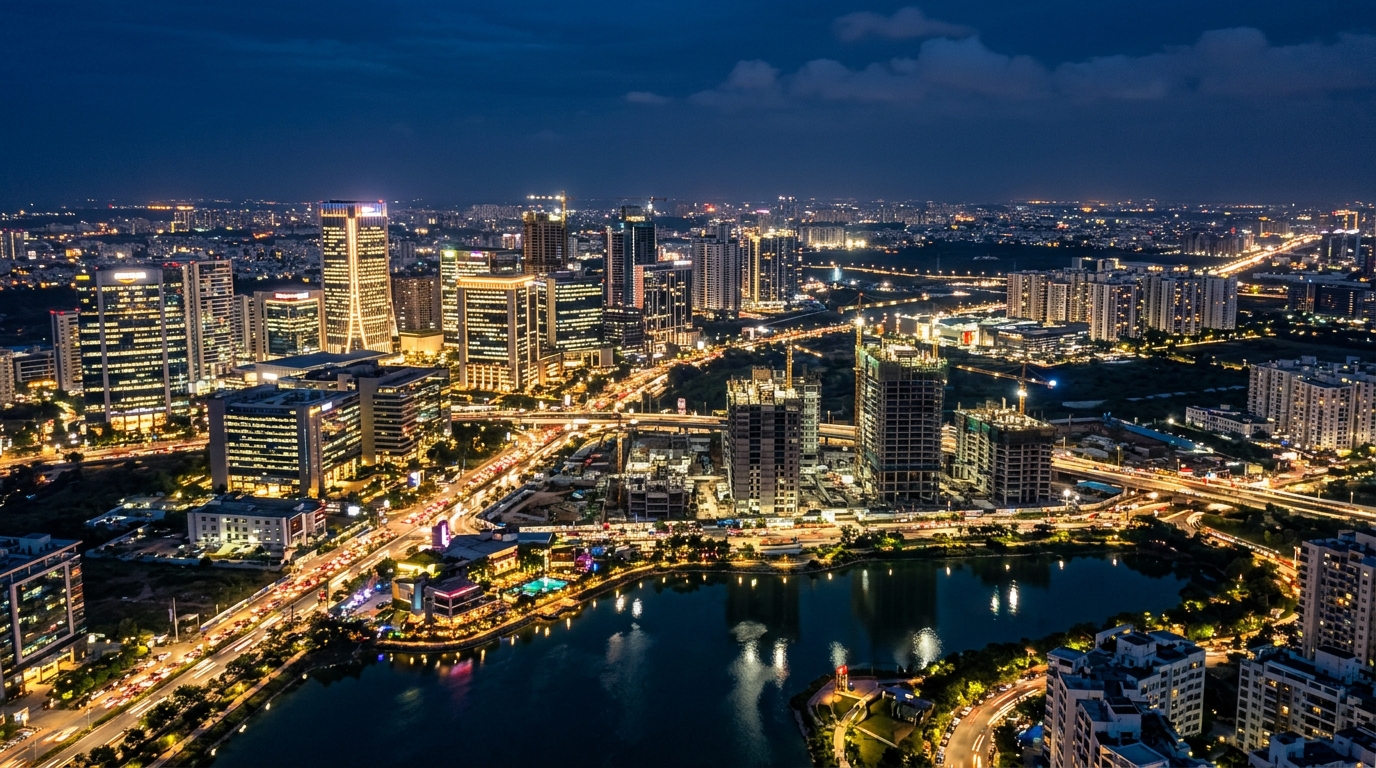
GCCs: The Engine of Hyderabad's Real Estate Renaissance
Recent reports, including FICCI's insights, highlight the transformative impact of Global Capability Centers (GCCs) on Hyderabad's real estate landscape. The sustained influx of these multinational firms, drawn by a skilled talent pool, favorable business environment, and cost advantages, is creating unprecedented demand for commercial and residential spaces. This isn't just an incremental increase; it's a fundamental shift driving a new wave of development.
For builders and landowners, this translates into a significant upswing in opportunities. The growing need for Grade-A office spaces by GCCs creates a robust market for commercial development. Simultaneously, the expansion of the workforce fueling these GCCs directly boosts demand for quality residential properties, ranging from affordable housing to premium apartments and villas. Landowners in strategic locations can expect enhanced valuations and increased interest from developers.
Accelerated demand for Grade-A office spaces.
Increased need for diverse residential housing options.
Premium on land parcels in proximity to GCC hubs.
Potential for integrated townships catering to corporate employees.
Construction Trends, Approvals, and Supply Pipeline: Keeping Pace with Demand
The rapid growth of GCCs necessitates a corresponding acceleration in construction and a streamlined approvals process. Developers must anticipate a surge in demand for quick project turnovers. This means focusing on efficient construction methodologies, leveraging pre-fabricated elements where feasible, and adopting sustainable building practices to meet evolving tenant and resident expectations. A proactive approach to urban planning and infrastructure development is crucial to support this growth.
The supply pipeline needs to be robust and agile. Developers who can secure land, obtain necessary approvals swiftly, and commence construction within shorter timelines will be best positioned to capitalize on the current market momentum. Understanding the nuances of local zoning laws and environmental regulations is paramount to avoid delays. The existing supply might not be sufficient to meet the projected demand, creating a fertile ground for new projects.
Emphasis on faster construction cycles and project delivery.
Increased adoption of sustainable and smart building technologies.
Streamlining of regulatory approvals for commercial and residential projects.
Need for infrastructure development to support expanding commercial hubs.
Location-Specific Opportunities: Hyderabad's Growth Corridors
While the entire Hyderabad region benefits, specific micro-markets are poised for exceptional growth. The established IT and financial hubs like Gachibowli and the Financial District continue to be prime locations for commercial development, attracting further GCC investments. However, emerging and established residential catchments that offer good connectivity to these hubs, such as Kokapet, are experiencing a parallel surge in demand for housing.
Developers should focus on integrated developments that blend commercial and residential spaces, or cater to the specific needs of GCC employees in these sought-after areas. Understanding the unique demand drivers for each of these locations, be it the need for luxury apartments in Kokapet or affordable housing options near emerging IT corridors, will be key to successful project execution.
Gachibowli and Financial District: Continued demand for prime commercial real estate.
Kokapet: High potential for premium residential developments and integrated townships.
Emerging IT corridors: Opportunities for mid-range and affordable housing projects.
Focus on connectivity and amenities crucial for employee retention.
Risks and Execution Challenges: Navigating the Growth
While the outlook is overwhelmingly positive, developers must be cognizant of potential risks and execution challenges. The rapid pace of development could lead to a temporary supply-demand imbalance in certain segments, potentially impacting pricing strategies. Moreover, intensified competition among developers for prime land parcels and skilled labor can drive up input costs. Ensuring quality control and timely delivery amidst accelerated construction schedules is a significant challenge.
Navigating the regulatory landscape efficiently, managing stakeholder expectations, and securing adequate financing for ambitious projects are critical. Developers also need to be mindful of evolving market preferences, including the demand for flexible workspaces and sustainable living environments. A robust risk management framework and a keen understanding of market dynamics will be essential for sustained success in this booming market.
Potential for short-term supply-demand imbalances.
Rising land acquisition and construction material costs.
Intensified competition for skilled labor.
Challenges in maintaining quality and adhering to delivery timelines.
Regulatory hurdles and complex approval processes.
Source: The Hans India