Hyderabad's Real Estate Surge: 2026 Outlook for Investors and Homebuyers
Published: August 2026
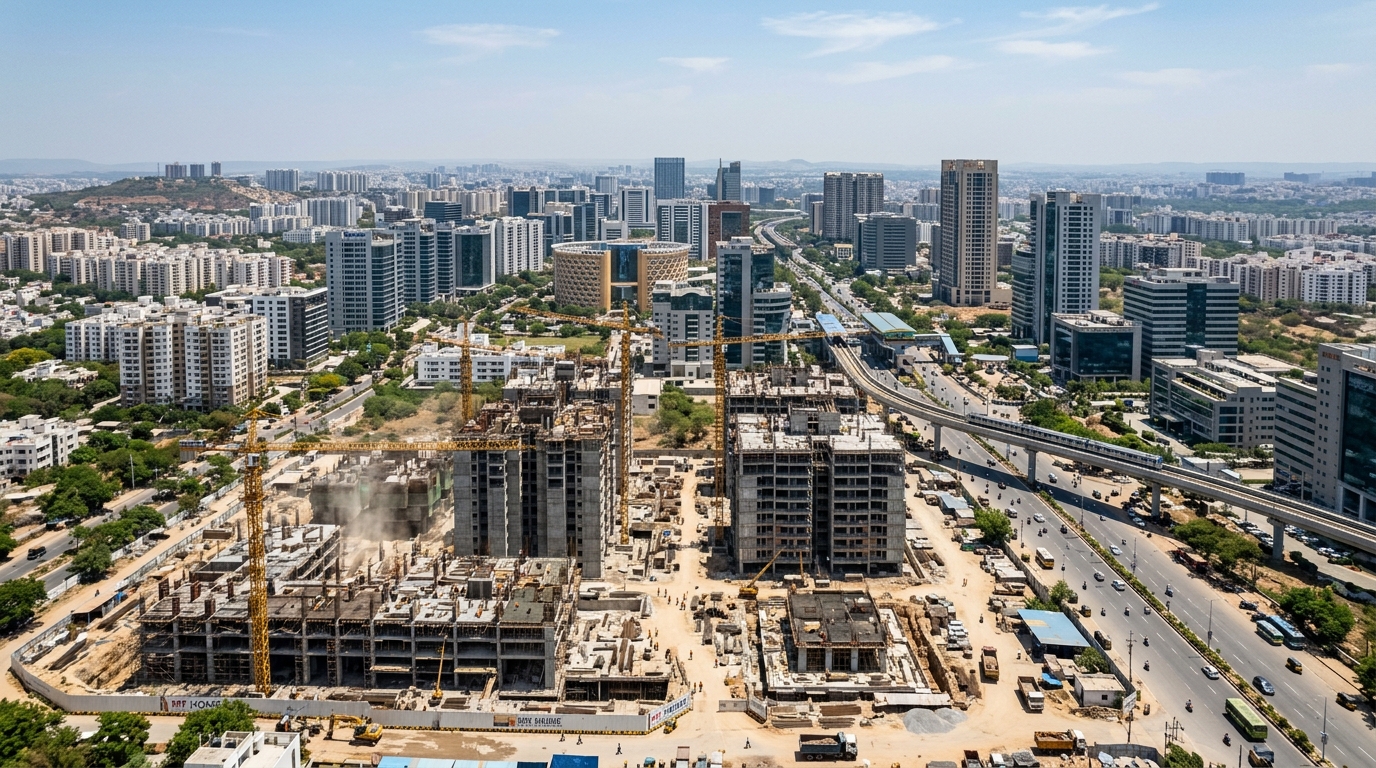
Market Dynamics: Demand, Supply, and Pricing Trends
Hyderabad's real estate market is signaling a strong upward trend, projected to continue through 2026. This sustained growth is primarily fueled by a burgeoning IT sector and a consistent influx of professionals seeking housing solutions. The article points to an increasing demand for residential properties across various segments, from affordable housing to luxury abodes. This heightened demand, coupled with a carefully managed supply pipeline, is expected to exert upward pressure on property prices, making early investments potentially more rewarding.
The identified growth corridors are attracting a diverse pool of homebuyers and investors. For IT professionals, the proximity to job centers is a primary driver, while investors are keen on capital appreciation and rental yields. The balanced approach to urban development in Hyderabad, focusing on infrastructure and amenities, underpins the long-term viability of these micro-markets.
Institutional Investor Perspective and Capital Flows
The projected growth in Hyderabad's real estate market is likely to attract significant institutional investor interest. With a strong foundation in the IT sector and a growing population of skilled professionals, the city offers a compelling case for capital allocation. Institutional investors are typically drawn to markets with predictable demand drivers and a positive outlook for rental income and capital gains. The development of new commercial hubs and residential complexes, as suggested by the article's focus on specific locations, will be key areas for their strategic investments.
The direction of capital flow is expected to be robust, with a focus on integrated developments that offer both residential and commercial spaces. This trend indicates a move towards creating self-sufficient communities, reducing commute times for professionals and enhancing livability, a factor increasingly prioritized by both end-users and investors. Emerging areas with high potential for infrastructure development and connectivity are prime targets for both domestic and international funds looking to capitalize on Hyderabad's real estate boom.
Micro-Market Relevance: Gachibowli, Kokapet, and Financial District at the Forefront
The Economic Times report specifically highlights the prominence of micro-markets such as Gachibowli, Kokapet, and the Financial District. These areas are benefiting immensely from the expansion of the IT and ITeS (Information Technology Enabled Services) sectors, which are the primary job creators in Hyderabad. The concentration of major IT companies and the development of world-class infrastructure in these regions are creating a magnet for both talent and investment.
Gachibowli, already a well-established IT hub, continues to see sustained demand for residential properties. Kokapet and the Financial District, on the other hand, represent newer growth frontiers, with significant planned developments and the potential for higher returns. The strategic development of these areas, focusing on creating a holistic ecosystem with residential, commercial, and recreational facilities, positions them as key drivers of Hyderabad's real estate success in 2026 and beyond. Homebuyers and investors looking for proximity to employment opportunities and robust infrastructure will find these micro-markets particularly attractive.
- Gachibowli: Established IT hub, sustained residential demand.
- Kokapet: Emerging growth corridor with significant development potential.
- Financial District: Prime location for commercial and residential integration, attracting high-net-worth individuals and institutional investors.
Policy and Regulatory Landscape
While the article does not explicitly detail specific policy changes, the projected real estate growth in Hyderabad is often supported by favorable state government policies aimed at attracting investment and promoting development. Initiatives focused on infrastructure enhancement, ease of doing business, and urban planning play a crucial role in shaping the real estate landscape. Regulatory frameworks that ensure transparency and timely approvals for projects also contribute to investor confidence and market stability.
The emphasis on planned development in the identified growth areas suggests a proactive approach from local authorities. Such an environment is conducive for both developers and investors, as it reduces uncertainties and fosters a predictable investment climate. Continuous monitoring of policy implementation and its impact on land use, zoning, and property registration will be essential for sustained market health.
Source: The Economic Times