Hyderabad's Real Estate Renaissance: The UAE Property Grand Expo 2026 - A Catalyst for Developer Growth
Published: October 2026
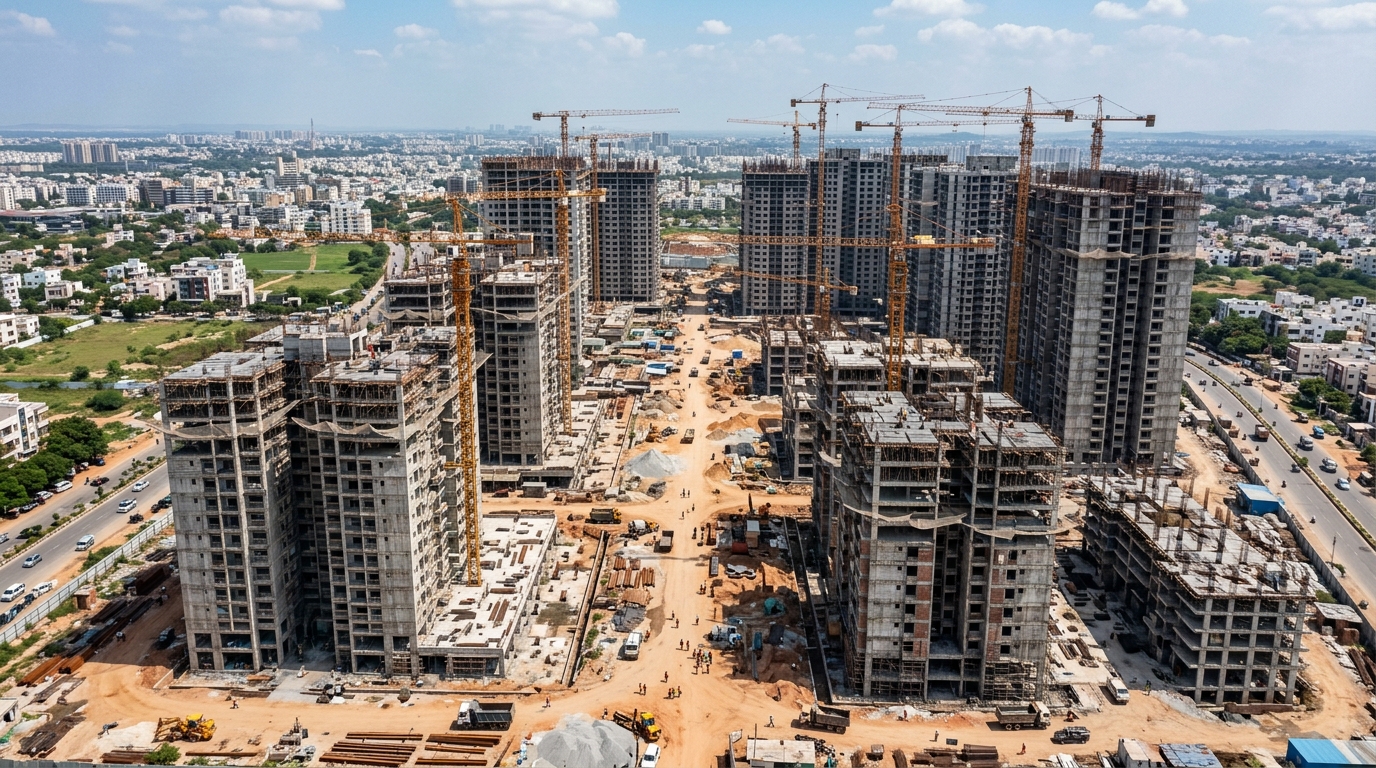
Unlocking Opportunities for Builders and Landowners
The UAE Property Grand Expo 2026 positions Hyderabad as a gateway for global real estate investment, directly translating into immense opportunities for local builders and landowners. This influx of international interest signals a potential surge in demand for high-quality residential, commercial, and mixed-use developments. Developers can leverage this platform to forge new partnerships, attract foreign direct investment (FDI), and gain exposure to international best practices and architectural trends. For landowners, this event amplifies the value of their assets, creating a fertile ground for joint ventures and development deals with well-funded international entities.
Strategic positioning and alignment with global investor expectations will be paramount. Builders should focus on delivering projects that meet international standards of quality, sustainability, and amenities. This includes embracing smart city concepts and integrating technology into developments. Landowners should proactively engage with developers and explore flexible deal structures that capitalize on the anticipated demand surge. The expo acts as a powerful validation of Hyderabad's real estate trajectory, encouraging bold development strategies.
- Forge partnerships with international investors for capital infusion.
- Develop projects adhering to global quality and sustainability benchmarks.
- Explore joint ventures and land monetization opportunities.
- Align development pipelines with international buyer preferences.
Construction Trends, Approvals, and Supply Pipeline Dynamics
The heightened interest generated by the UAE Property Grand Expo will undoubtedly influence construction trends, necessitating a proactive approach to approvals and a robust supply pipeline. Expect an increased demand for innovative construction techniques, sustainable building materials, and smart home technologies. Developers need to stay ahead of these trends to remain competitive. The Telangana government's proactive stance on ease of doing business and its investment in infrastructure will be crucial. However, the increased project pipeline might put pressure on the existing approval processes, requiring developers to anticipate longer lead times and maintain strong relationships with regulatory bodies. A well-managed supply chain for materials and skilled labor will be essential to meet the projected demand and prevent cost escalations.
Addressing potential supply-demand mismatches will be critical. As investment flows in, a carefully calibrated expansion of the construction supply pipeline is required. This involves ensuring a steady availability of raw materials, skilled labor, and efficient logistics. Developers who can demonstrate a clear understanding of these dynamics and have contingency plans in place will be better positioned to capitalize on the growth. Furthermore, the focus on quality and timely delivery will be paramount to building trust with international investors.
- Adopt sustainable and smart construction technologies.
- Anticipate potential delays in project approvals and plan accordingly.
- Strengthen supply chain management for materials and labor.
- Develop robust contingency plans for fluctuating market conditions.
Hyderabad's Prime Opportunity: Gachibowli, Kokapet, and the Financial District
The real estate landscape of Hyderabad, particularly areas like Gachibowli, Kokapet, and the Financial District, is poised for significant transformation. These hubs are already established as centers for IT, finance, and knowledge-based industries, attracting a high-caliber workforce and a demand for premium residential and commercial spaces. The UAE Property Grand Expo will amplify this existing appeal, drawing international attention to the region's potential for high-yield investments.
Gachibowli's robust IT infrastructure, Kokapet's burgeoning residential projects, and the Financial District's commercial dominance create a synergistic ecosystem. Developers should focus on integrated townships, premium residential complexes catering to expatriates and high-net-worth individuals, and Grade-A commercial spaces that align with global business needs. The availability of land, though becoming increasingly scarce, still offers opportunities for innovative mixed-use developments that combine living, working, and leisure. Understanding the specific demands of each micro-market within these zones will be key to successful project execution and maximizing returns.
- Focus on integrated townships in Gachibowli and Financial District.
- Develop premium residential offerings in Kokapet to cater to HNI and expatriate markets.
- Design Grade-A commercial spaces aligned with international business standards.
- Explore mixed-use development opportunities to maximize land utility.
Navigating Risks and Execution Challenges
While the UAE Property Grand Expo 2026 presents a monumental opportunity, developers must remain acutely aware of the inherent risks and execution challenges. A primary concern is the potential for increased competition, both from domestic players upscaling their offerings and from international developers entering the market. Managing rising land acquisition costs and construction expenses in a high-demand environment will require astute financial planning and negotiation skills. Furthermore, navigating the complexities of international investment, including foreign exchange fluctuations and differing regulatory frameworks, demands specialized expertise.
Execution challenges also lie in maintaining quality and adherence to timelines amidst accelerated development. Project delays due to unforeseen circumstances, labor shortages, or supply chain disruptions can significantly impact profitability and investor confidence. Developers must implement robust project management systems, thorough due diligence on all partnerships, and proactive risk mitigation strategies. Building a strong reputation for transparency and reliability will be crucial in attracting and retaining international investment in the long run. A clear understanding of local labor laws and environmental regulations is also essential for smooth execution.
- Anticipate and plan for increased market competition.
- Develop strategies to manage escalating land and construction costs.
- Build expertise in navigating international investment regulations.
- Implement stringent project management and risk mitigation protocols.
- Ensure compliance with local labor laws and environmental standards.
Source: Gulf News