Hyderabad's Real Estate Boom: Navigating the Surge in Demand and Development
Published: April 2026
Implications for Builders and Landowners
The booming property registration numbers in Hyderabad, as reported, signify a robust and growing demand for real estate. For builders, this translates into a strong market for new launches and inventory absorption. The sustained interest in premium locations like Gachibowli, Kokapet, and the Financial District indicates a willingness from buyers to invest in quality living and working spaces. Landowners in these and peripheral areas stand to gain significantly from the increased developer interest and potential for higher land values. Strategic partnerships between landowners and developers could unlock prime projects, capitalizing on the current market sentiment.
The current environment is ripe for developers who can quickly adapt to market needs and deliver projects that align with buyer aspirations. This includes a focus on amenities, smart features, and sustainable development. For landowners, understanding the evolving market dynamics and engaging with reputable developers is crucial to maximize returns.
- Increased demand for residential and commercial spaces.
- Potential for appreciation in land values in key growth corridors.
- Opportunities for joint development and strategic land acquisitions.
Construction Trends, Approvals, and Supply Pipeline
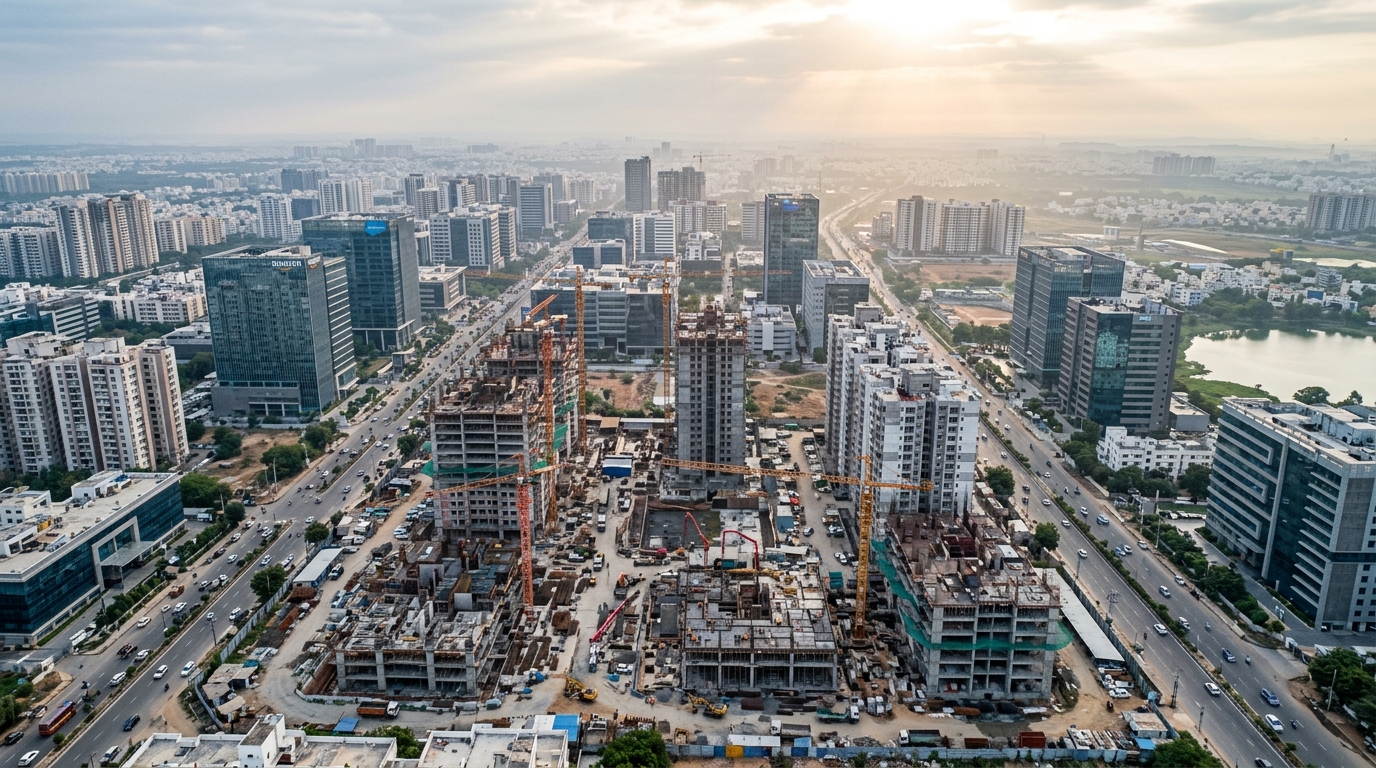
The surge in demand necessitates a corresponding acceleration in the construction and supply pipeline. Developers need to anticipate longer lead times for raw materials and skilled labor. A proactive approach to securing supply chains and workforce management is paramount to avoid project delays and cost overruns. The approval process, while often a bottleneck, needs to be navigated efficiently. Developers should leverage digital submission processes and maintain strong relationships with municipal authorities.
The supply pipeline needs to expand not just in terms of quantity but also in quality and variety. The demand for integrated townships, modern commercial spaces, and luxury residences is evident. Developers focusing on these segments will likely see faster sales velocity. However, a potential supply-demand mismatch looms if the pace of new project launches and construction doesn't keep up with the registration rates.
- Expedited approval processes are crucial.
- Focus on efficient supply chain management for materials.
- Investment in skilled labor and construction technology.
- Need for diversified project offerings to meet varied demand.
Location-Specific Opportunities: Hyderabad's Growth Corridors
Hyderabad's prime IT and business hubs – Gachibowli, Kokapet, and the Financial District – are experiencing unprecedented growth. These areas are attracting significant investment, leading to a demand for both residential and commercial properties that cater to a discerning clientele. The influx of IT companies and the development of robust infrastructure in these zones create a self-sustaining ecosystem, driving rental yields and capital appreciation.
Developers can tap into this by focusing on premium residential projects offering modern amenities and convenient access to workplaces, or by developing Grade A commercial spaces. The peripheral areas around these hubs also present an opportunity for more affordable yet well-connected housing options, addressing a broader spectrum of demand. Strategic land acquisition in these growth corridors is key to unlocking long-term value.
- High demand for residential and commercial spaces in Gachibowli, Kokapet, and Financial District.
- Opportunity for premium housing, co-living spaces, and serviced apartments.
- Development of Grade A office spaces to cater to corporate demand.
- Potential for well-planned gated communities in the surrounding micro-markets.
Risks and Execution Challenges
Despite the bullish sentiment, several risks and execution challenges need careful consideration. The rising cost of construction materials and labor can impact project profitability. Fluctuations in interest rates and economic uncertainties could affect buyer sentiment and affordability. Furthermore, an aggressive pace of development without adequate planning for infrastructure and amenities could lead to urban congestion and strain on existing resources.
Developers must conduct thorough due diligence, optimize cost management, and maintain robust financial planning. Building a strong reputation for timely delivery and quality construction will be critical in navigating potential market corrections. Adherence to RERA guidelines and transparent communication with buyers are non-negotiable. The ability to execute projects efficiently and sustainably will be the ultimate differentiator in this competitive landscape.
- Rising input costs (materials and labor).
- Potential for market volatility and economic slowdown.
- Infrastructure and amenity strain due to rapid development.
- Challenges in obtaining timely project approvals and clearances.
- Maintaining quality and timely delivery amidst increased pressure.
Source: regnews.in