Hyderabad's 2026 Real Estate Boom: Unlocking Opportunities for Developers and Investors
Published: August 2026
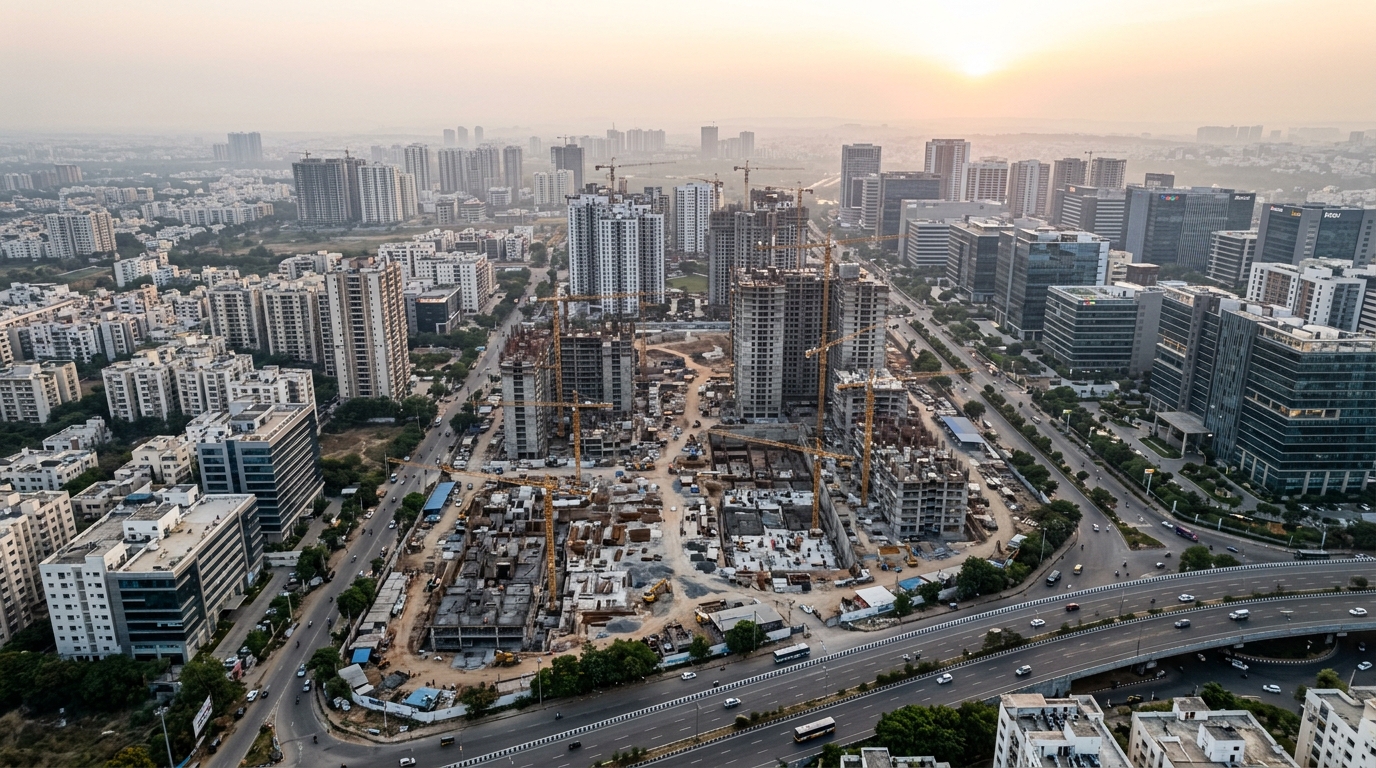
Developer and Landowner Implications: A Golden Opportunity
The projected growth in Hyderabad's real estate market by 2026, as highlighted by The Economic Times, signals a robust demand for housing and commercial spaces. For builders, this translates to a prime window for new project launches and strategic land acquisitions. Developers can anticipate sustained interest from homebuyers, particularly IT professionals seeking proximity to job hubs, and from investors looking for capital appreciation. Landowners in these identified growth corridors stand to gain significantly from increased land values and potential joint development ventures.
The core driver is the continued expansion of the IT sector, creating a consistent influx of professionals who require quality housing. This sustained demand mitigates some of the typical market cyclicality, offering a more predictable development environment. Early movers who can secure land and obtain necessary approvals swiftly will be best positioned to capitalize on this growth trajectory.
- Strategic land banking in identified growth corridors.
- Developing mixed-use projects catering to IT professionals and families.
- Focusing on quality construction and amenities to command premium pricing.
- Exploring joint development opportunities with landowners.
Construction Trends, Approvals, and the Supply Pipeline
The growing demand necessitates an accelerated pace of construction and a streamlined approval process. Developers need to anticipate potential bottlenecks in obtaining permits and ensure their projects align with evolving urban planning regulations. The supply pipeline must be robust enough to meet the projected demand, avoiding significant undersupply that could inflate prices beyond sustainable levels or an oversupply that could lead to market saturation.
Emerging construction trends are likely to favor sustainable building practices, smart home technologies, and community-centric developments. Approvals, especially in prime areas like Gachibowli and the Financial District, can be time-consuming. Developers must prioritize engaging with local authorities early and understanding the zoning and development control regulations to avoid delays. A proactive approach to securing approvals will be crucial for timely project completion and delivery.
- Invest in pre-construction planning to expedite approvals.
- Explore modular construction and pre-fabrication for faster project execution.
- Incorporate green building certifications and smart home features.
- Monitor and forecast demand to balance supply pipeline effectively.
Location-Specific Opportunities: Gachibowli, Kokapet, and the Financial District
The ET report implicitly points towards areas synonymous with Hyderabad's IT and economic growth. Gachibowli, the established IT hub, will continue to see demand for residential and commercial spaces. Kokapet, with its proximity to the Financial District, is rapidly emerging as a prime residential destination, attracting premium developments. The Financial District itself, a hub for corporate offices, will drive demand for corporate parks and high-end residential options for its workforce.
These locations are characterized by a strong existing infrastructure and planned future developments, making them attractive for both developers and end-users. Developers can tailor their offerings to the specific demographics and needs of each area, whether it's affordable housing near Gachibowli's core or luxury apartments in Kokapet. Understanding the micro-market dynamics within these broader zones will be key to successful project execution.
- Gachibowli: Focus on mid-to-high-rise apartments and commercial spaces.
- Kokapet: Target premium residential projects, villas, and gated communities.
- Financial District: Develop Grade A commercial spaces and executive housing.
- Leverage the synergy between these interconnected economic zones.
Navigating Risks and Execution Challenges
Despite the positive outlook, developers must be cognizant of potential risks. Market fluctuations, though less volatile due to IT sector stability, can still occur. Execution challenges include rising input costs, labor availability, and adherence to stringent quality standards. The competitive landscape in Hyderabad is also intensifying, requiring developers to differentiate their offerings.
Financing remains a critical aspect. Securing timely and adequate funding for projects is paramount. Furthermore, stringent regulatory compliance and environmental clearances can pose significant hurdles. A robust risk mitigation strategy, including thorough due diligence, realistic financial projections, and strong project management, will be essential for successful execution and delivery of projects in Hyderabad's thriving real estate market.
- Conduct thorough market research to assess demand-supply gaps accurately.
- Secure financing early and maintain healthy cash flow management.
- Develop strong relationships with contractors and suppliers to manage input costs.
- Stay updated on regulatory changes and ensure full compliance.
- Implement effective project management tools for efficient execution.
Source: The Economic Times