Hyderabad Real Estate Regulation: Krithika Infra Ruling and Its Implications for Developers
Published: April 2026
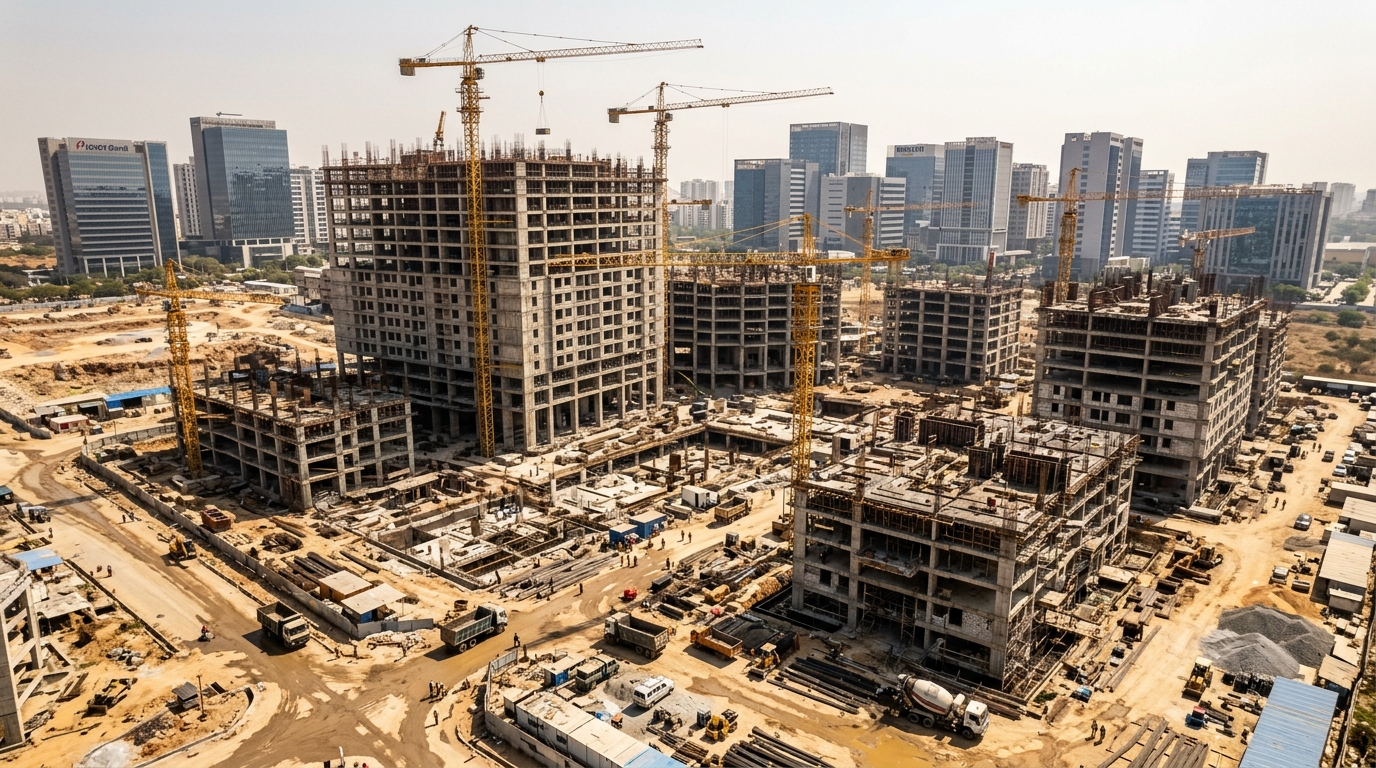
Lessons from Krithika Infra: Builder and Landowner Implications
The Telangana Real Estate Regulatory Authority's (TGRERA) directive for Krithika Infra to refund ₹38.45 lakh and its designation as a defaulter is a stark reminder of the stringent regulatory environment developers operate within. For builders, this case underscores the absolute necessity of adhering to project timelines, transparent financial dealings with buyers, and meticulous compliance with RERA norms. Failure to do so can lead to significant financial penalties, reputational damage, and a ban on future projects. Landowners, in partnership with developers, must also conduct thorough due diligence on their development partners, scrutinizing their track record, financial stability, and regulatory compliance history to mitigate risks and ensure project success.
- Prioritize buyer communication and transparent project updates.
- Ensure all project milestones are met as per RERA-registered timelines.
- Conduct rigorous due diligence on development partners, especially for joint ventures.
- Maintain impeccable financial discipline and statutory compliance.
Construction Trends, Approvals, and Supply Pipeline
This ruling, while specific to one developer, indirectly impacts the broader construction trends and supply pipeline. Projects facing regulatory action can cause delays, leading to a temporary tightening of supply for specific unit types or in certain micro-markets. Developers need to be acutely aware of the approval processes and potential bottlenecks. A robust supply pipeline is contingent on efficient project execution and regulatory compliance. Any perceived instability or default by developers can also affect buyer confidence, potentially slowing down demand or shifting it towards more established and trusted developers, thus influencing the overall market dynamics. Proactive engagement with regulatory bodies and a commitment to quality construction are paramount.
- Streamline internal processes for faster project approvals.
- Develop contingency plans for potential regulatory delays.
- Focus on quality construction to build buyer trust.
- Monitor market sentiment and adapt supply strategies accordingly.
Location-Specific Opportunities: Hyderabad's Growth Corridors
Hyderabad, particularly its western growth corridors like Gachibowli, Kokapet, and the Financial District, continues to attract significant real estate development and investment. These areas boast high demand driven by IT employment hubs and a burgeoning commercial ecosystem. However, this high growth also attracts intense competition and attracts regulatory oversight. Developers looking to capitalize on these prime locations must differentiate themselves through superior project planning, execution, and customer service. The Krithika Infra case highlights that even in high-demand areas, regulatory non-compliance can be a significant deterrent. Developers should focus on projects that align with the evolving needs of the urban professional, such as smart homes, sustainable living, and integrated township concepts. A robust understanding of local zoning laws and environmental regulations is also crucial.
- Analyze the specific demand-supply dynamics in Gachibowli, Kokapet, and Financial District.
- Develop niche projects catering to specific demographics within these corridors.
- Leverage the growing preference for mixed-use developments.
- Ensure all projects are designed with future infrastructure development in mind.
Navigating Risks and Execution Challenges
The primary risk highlighted by the Krithika Infra case is regulatory non-compliance, which can snowball into financial losses and project paralysis. Execution challenges in Hyderabad's real estate market include land acquisition complexities, managing labor availability and costs, navigating multiple government approvals, and ensuring timely procurement of construction materials. The supply chain for construction materials can be volatile, impacting project timelines and costs. Developers must implement robust project management frameworks to mitigate these risks. This includes detailed cost budgeting, timely procurement strategies, and effective risk assessment at every stage of development. Building strong relationships with suppliers and contractors, alongside a proactive approach to problem-solving, is essential for successful project execution and maintaining a positive developer reputation.
- Implement rigorous project management tools for real-time tracking.
- Diversify material sourcing to mitigate supply chain disruptions.
- Foster strong relationships with local authorities for smoother approvals.
- Develop a comprehensive risk management plan for each project.
Source: NewsMeter