Hyderabad Real Estate: Navigating Fraudulent Schemes and Safeguarding Investor Capital
Published: April 2026
Market Implications: Demand, Supply, and Pricing in Hyderabad
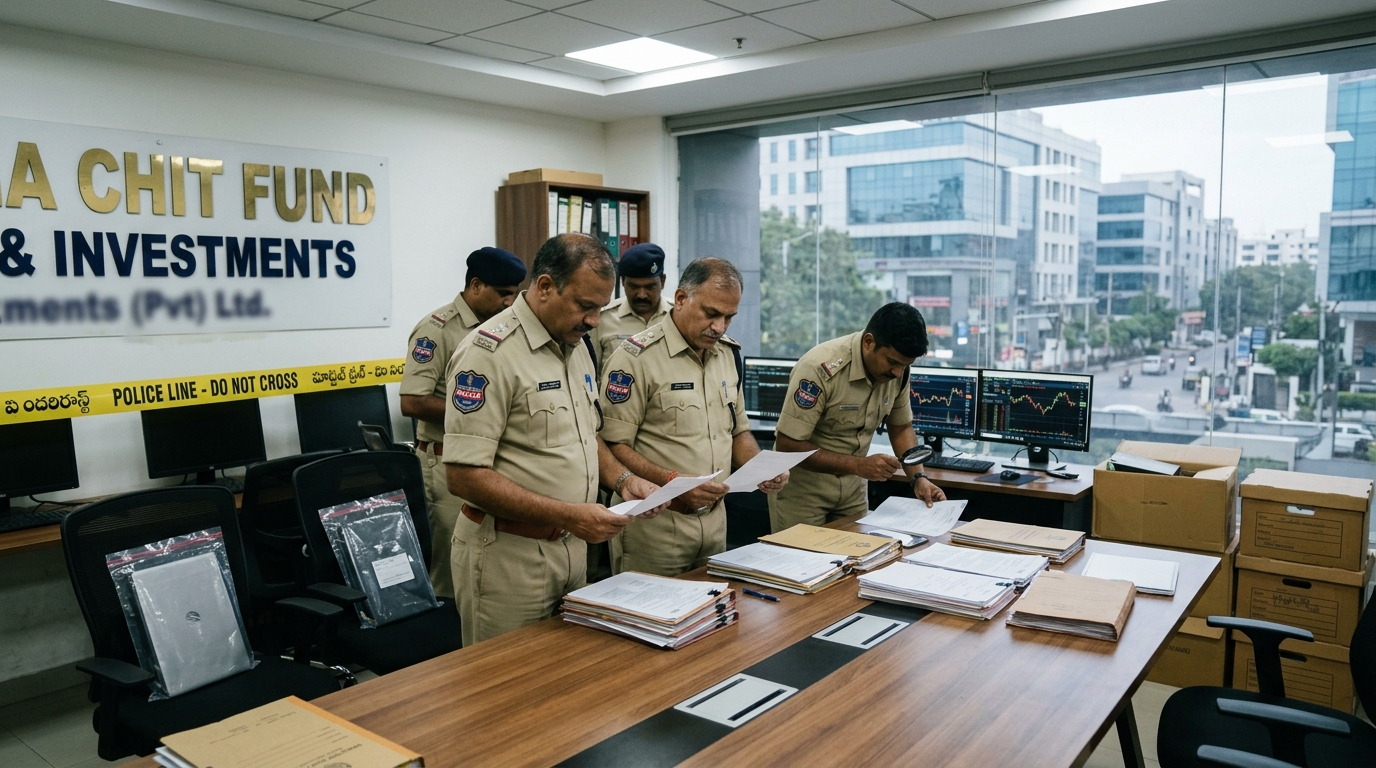
Hyderabad's real estate market, particularly in micro-markets like Gachibowli, Kokapet, and the Financial District, has witnessed robust growth driven by strong demand from IT and BFSI sectors, coupled with a burgeoning population. This sustained demand has led to increased construction and supply, but also creates an environment where fraudulent schemes can prey on optimistic investors. The reported incident, while not directly tied to legitimate property development, can cast a shadow of distrust, potentially causing temporary hesitation in capital deployment until confidence is restored through transparency and regulatory action. However, the fundamental drivers of demand in these high-growth corridors remain intact, suggesting that legitimate developers and investments will continue to attract capital.
The incident serves as a stark reminder that while high returns are attractive, they should be scrutinized against market realities. Legitimate real estate appreciation in prime Hyderabad locations is typically driven by infrastructure development, job creation, and amenities, not by speculative promises of unrealistic returns. Over time, such fraudulent activities can lead to a more cautious approach from investors, demanding greater transparency and proof of genuine project viability, potentially influencing pricing strategies for legitimate projects that need to re-establish trust.
Institutional Investor Perspective and Capital Flow
Institutional investors, including private equity funds, sovereign wealth funds, and large developers, are typically more risk-averse and employ rigorous due diligence processes. They scrutinize project fundamentals, developer track record, legal clearances, and market demand before deploying significant capital. While this particular fraud might not directly impact institutional investment in established projects or large-scale developments, it underscores the importance of continuous market surveillance and risk mitigation strategies. The incident may prompt institutions to reinforce their compliance frameworks and perhaps increase scrutiny on off-market deals or high-yield propositions, potentially redirecting capital towards more transparent and well-structured investment vehicles.
The direction of capital flow is likely to remain focused on established, reputable developers and projects with clear revenue streams and tangible assets in sought-after Hyderabad micro-markets. The trust deficit created by such incidents can, in the short term, lead to a flight to quality, benefiting developers with strong governance and proven execution capabilities. Over the long term, this might also encourage the development of platforms or indices that provide greater transparency and investor protection, thereby facilitating continued capital inflow into the sector.
Policy and Regulatory Landscape
The reported fraud, involving a 'fake investment scheme,' falls under the purview of financial and consumer protection regulations, rather than directly real estate development laws unless the scheme was cloaked as property investment. However, such incidents can prompt authorities to review existing oversight mechanisms for investment schemes and potentially tighten regulations around financial advisories and investment platforms. For the real estate sector, the implication is the reinforcement of the need for strict adherence to RERA (Real Estate (Regulation and Development) Act) guidelines for legitimate projects. Increased regulatory vigilance can lead to more stringent checks on project approvals, marketing practices, and fund management, ultimately enhancing investor confidence and discouraging illicit activities.
While RERA primarily regulates the sale of properties and project execution, instances of financial fraud can lead to a broader review of consumer protection laws. The Hyderabad police booking cases suggests a focus on criminal investigation under relevant Indian Penal Code sections. Policymakers may consider enhancing inter-agency coordination between RERA authorities, SEBI (Securities and Exchange Board of India), and law enforcement to combat multifaceted financial crimes that can impact sectors like real estate.
Reinforcement of RERA compliance for legitimate developers.
Potential review of regulations for investment schemes and financial advisories.
Increased inter-agency coordination to combat financial fraud.
Micro-Market Relevance: Hyderabad's Growth Corridors
The incident's impact on specific micro-markets like Gachibowli, Kokapet, and the Financial District in Hyderabad needs to be viewed in context. These areas are primary beneficiaries of the city's IT boom and are characterized by significant residential and commercial development. While the fraud itself may not be directly linked to property transactions, it can foster a climate of caution. Legitimate investors in these sought-after locations will likely demand even greater transparency from developers regarding project financing, approvals, and timelines. The resilience of these markets is expected to be strong, driven by ongoing infrastructure development and sustained demand for housing and commercial spaces, but the incident serves as a cautionary tale for all stakeholders.
The perception of safety and transparency is crucial for continued investment in these prime micro-markets. Developers operating in Gachibowli, Kokapet, and the Financial District will need to go above and beyond to assure investors of their legitimacy and the soundness of their projects. This could involve more detailed project disclosures, independent audits, and stronger adherence to ethical business practices, thereby safeguarding their reputation and ensuring the continued flow of capital into these dynamic economic hubs.
Source: NewsMeter