From 15.5% to 5%: India's Mall Comeback and the New Property Gold Rush
Published: October 2026
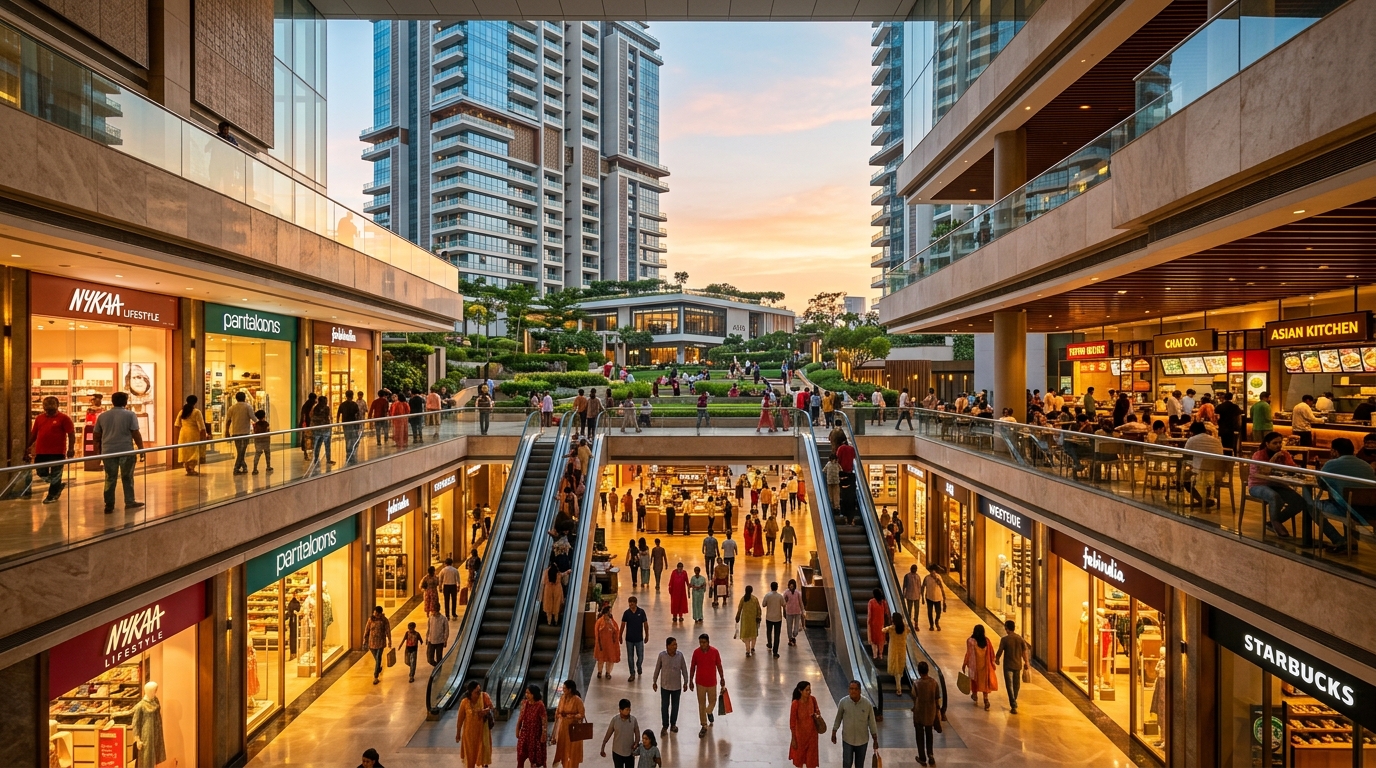
The Great Mall Rebound: A Story of Resilience
Remember the doomsayers? The ones who declared the mall dead, buried under the weight of e-commerce? Well, prepare for a plot twist. India's mall sector, once teetering at a concerning 15.5% vacancy rate, has staged a remarkable comeback, with that figure now slashed to a robust 5%. This isn't just a statistic; it's a testament to the enduring allure of physical retail and the astute strategies employed by developers and retailers. The pandemic, ironically, seems to have accelerated a reevaluation of what makes a mall experience truly compelling, a blend of shopping, dining, entertainment, and community.
This dramatic turnaround signals a significant shift in consumer behaviour and, consequently, in the property market. It suggests that physical spaces are far from obsolete; they are evolving. The successful malls today are not just collections of shops; they are experiential hubs, designed to draw people in with unique offerings and a vibrant atmosphere that online shopping simply cannot replicate.
Ground-Level Ripples: What It Means for You
For the average Indian buyer, this resurgence translates into a more vibrant and dynamic urban environment. Access to world-class retail and entertainment options is expanding, making cities more attractive places to live. For property investors, the declining vacancy rates and rising footfalls in malls are positive indicators. They suggest a healthy demand for retail spaces, which can translate into stable rental yields and potential capital appreciation for commercial properties. Developers, of course, are the key drivers of this revival. They are actively investing in upgrading existing properties and building new, experience-centric malls, responding to the evolving consumer palate.
The lesson here is clear: strategically located and well-conceptualized retail spaces are once again a prime investment. The focus has shifted from mere square footage to creating destinations that cater to modern lifestyles. This trend has a direct impact on residential property too. Areas surrounding successful, high-footfall malls often see an uptick in residential demand, as people seek the convenience and lifestyle benefits these retail hubs provide.
Buyers: More vibrant shopping and entertainment options, enhanced urban living.
Investors: Increased potential for rental income and capital appreciation in commercial properties.
Developers: Renewed confidence and opportunities to invest in experience-driven retail spaces.
The Next Hotspots: Where to Look for Property Deals
This mall boom isn't uniform across the country. Certain emerging urban centres and specific micro-markets are poised to benefit the most. While the ET article doesn't explicitly name them, the underlying trends point towards cities experiencing rapid economic growth and a burgeoning young population with disposable income. Think of rapidly developing Tier-2 and Tier-3 cities, but also specific corridors within major metropolises that are witnessing significant infrastructure development and population influx. The rise of premium and luxury retail is also a key indicator, suggesting areas with a growing affluent class.
Areas that offer a confluence of residential development, IT hubs, and a growing middle to upper-middle class are likely to be the next beneficiaries. For instance, looking at the trajectory of Indian cities, corridors like those in Hyderabad, particularly around Gachibowli, Kokapet, and the Financial District, are prime examples. These areas have witnessed massive growth in employment and population, creating a strong demand for both residential and commercial spaces, including the kind of experiential retail that is driving the mall revival. Investing in property within or near such burgeoning hubs, especially those with a strategic focus on lifestyle and convenience, could be the smart move for the future.
Source: The Economic Times