Credai's Call to Arms: 'Rates Won't Rise, Demand Won't Fall' - A Hyderabad Real Estate Deep Dive
Published: July 2026
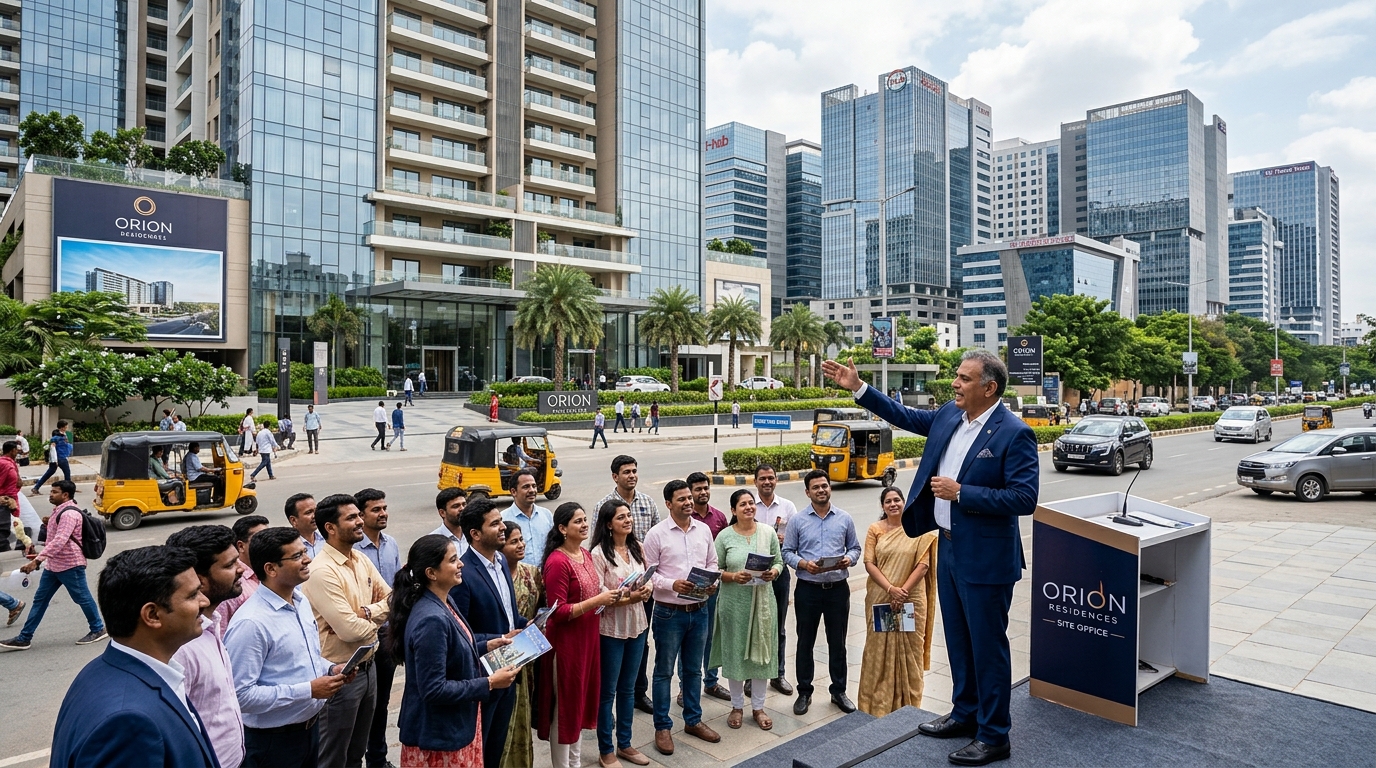
Decoding Credai's Bold Prediction: 'Rate Aagadhu-Demand Thaggadhu'
Credai's assertive declaration, 'Rate Aagadhu-Demand Thaggadhu' (Rates won't stop/rise, Demand won't fall), is a strong signal to prospective homebuyers and a direct challenge to prevailing market anxieties. This sentiment suggests that developers, represented by Credai, foresee a sustained or even increasing demand for residential properties, coupled with an expectation that interest rates will not escalate to a point that significantly deters buyers. This perspective is critical as it originates from the industry's primary stakeholders, who are directly exposed to sales velocity and project viability.
From a market implications standpoint, this outlook suggests a robust underlying demand, potentially driven by factors such as demographic shifts, favorable economic conditions, and a perceived undervaluation of current property prices relative to future appreciation. The implication is that any current price hesitancy is temporary, and the market is poised for continued activity. This could lead to a scenario where inventory levels are managed effectively by developers, preventing significant price corrections and potentially even witnessing modest appreciation in sought-after locations.
Institutional Investor's Lens: Capital Flow and Risk Appetite
For institutional investors, Credai's pronouncement validates a cautious but optimistic outlook on the real estate sector, particularly in high-growth corridors like Hyderabad. The 'demand won't fall' assertion is a key driver for sustained rental yields and capital appreciation, two fundamental pillars of real estate investment returns. This suggests that capital is likely to continue flowing into the sector, especially into projects with strong pre-sales and demonstrable buyer interest.
The emphasis on stable or non-escalating rates reduces a significant cost of capital for developers and lowers the debt servicing burden for end-users, thereby supporting transaction volumes. Institutional investors typically look for markets with strong economic fundamentals, population growth, and a supportive regulatory environment. Hyderabad, with its burgeoning IT and services sector, fits this profile, making it an attractive destination for both equity and debt capital. The expectation of stable demand encourages long-term investment strategies, focusing on Grade A commercial and residential assets in prime locations.
Micro-Market Dynamics: Hyderabad's Golden Triangle
The Credai's statement carries particular weight when applied to the dynamic Hyderabad market, especially its western corridor. Areas like Gachibowli, the Financial District, and the rapidly developing Kokapet are characterized by strong employment generation, a skilled workforce, and a continuous influx of professionals. This micro-market context is crucial for sustaining real estate demand. The rapid development of infrastructure and the presence of global corporations in these zones create a perpetual need for housing.
If Credai's prediction holds true, we can expect sustained price stability or incremental growth in these micro-markets. Developers will likely focus on delivering projects that cater to the premium segment and offer amenities aligning with the lifestyle aspirations of the target demographic. The 'demand won't fall' sentiment implies that developers will be less inclined to offer deep discounts, instead focusing on value-added propositions. For investors, this translates to opportunities in well-located residential projects with good connectivity and proximity to employment hubs, as they are likely to experience robust rental demand and capital appreciation.
- Gachibowli: Continued demand fueled by IT/ITeS sector expansion.
- Financial District: Sustained premium residential demand from high-earning professionals.
- Kokapet: Emerging opportunities with potential for significant appreciation due to ongoing infrastructure development.
Policy and Regulatory Environment: A Foundation for Growth
While the Credai statement focuses on market forces, the underlying policy and regulatory environment in Telangana plays a crucial role in enabling such optimistic forecasts. A stable and transparent regulatory framework, coupled with proactive government initiatives to boost infrastructure and attract investment, creates a conducive environment for real estate development and sales. Policies that facilitate ease of doing business for developers and streamline property registrations for buyers indirectly support sustained demand.
The absence of significant adverse policy changes or regulatory hurdles is implied in Credai's confident outlook. Any potential policy shifts, such as changes in stamp duty or property tax, could influence buyer sentiment. However, for now, the prevailing positive environment, characterized by economic growth and a supportive stance towards the real estate sector, underpins the developers' conviction about continued demand and stable pricing. This stability is a critical factor for institutional investors looking for predictable returns.
Source: The Hans India