Brigade's ₹850 Cr Hyderabad Project: A Signal for Developers and Landowners
Published: May 2026
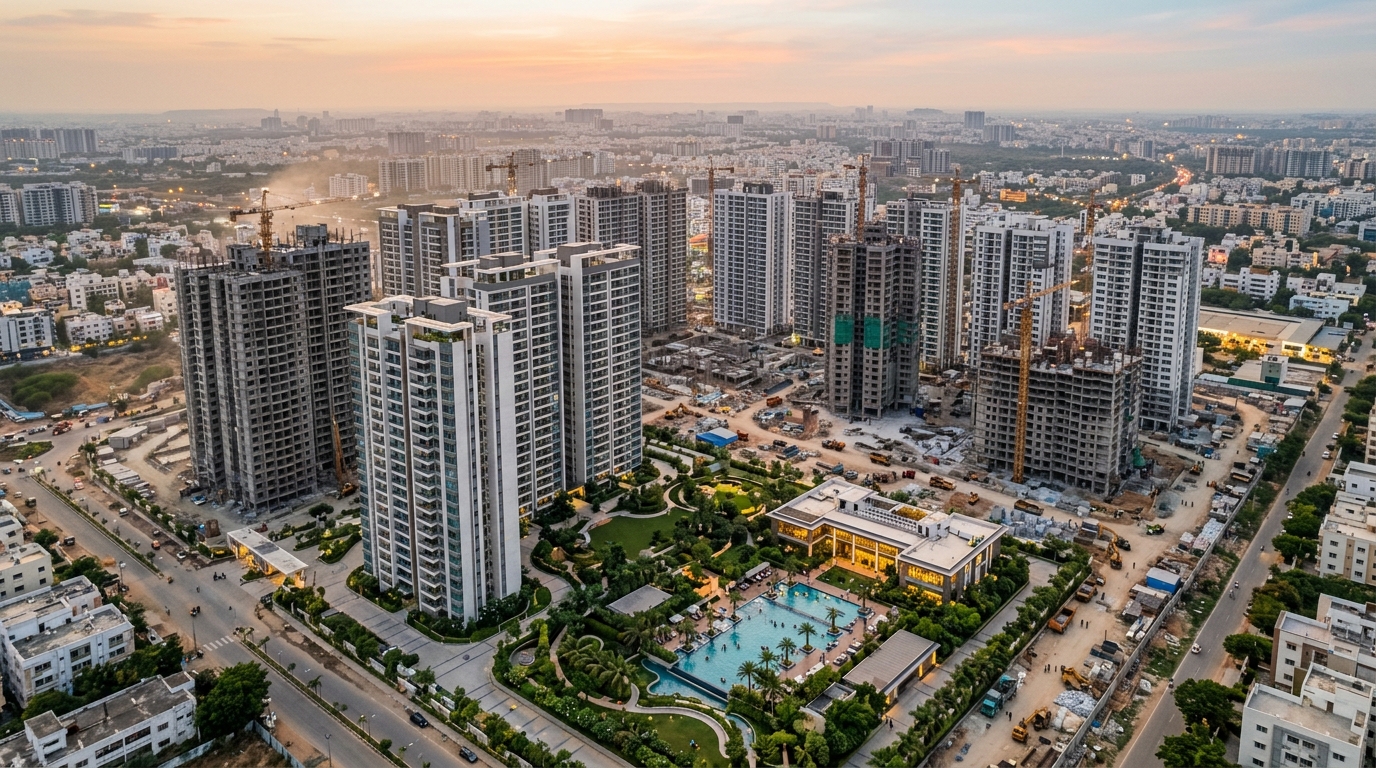
Market Dynamics: What Brigade's ₹850 Cr Project Signals
Brigade's ₹850 crore revenue expectation from a 5.6-acre residential project in Hyderabad isn't just a company announcement; it's a powerful indicator of strong buyer sentiment and capital availability within the city's premium real estate market. For developers, this validates aggressive investment strategies in well-located, quality projects. For landowners, it highlights the significant value unlock potential of their assets when aligned with reputable developers and aligned with market demand.
The sheer scale of the revenue projection suggests a high average ticket price, pointing towards the development of premium or luxury housing. This segment, while requiring higher initial investment, often offers better margins and attracts a discerning buyer base less susceptible to minor market fluctuations. The project's success will hinge on understanding the specific needs and aspirations of this target demographic.
- For Builders: Increased confidence in launching high-value projects; opportunity for partnerships with established developers.
- For Landowners: Enhanced bargaining power for land sales or joint development agreements; focus on strategic partnerships.
- Market Trend: Continued strength in the premium housing segment, especially in established and developing prime localities.
Hyderabad's Growth Corridors: Gachibowli, Kokapet, and the Financial District Advantage
While the exact location within Hyderabad is not specified, projects of this magnitude often target established or rapidly developing growth corridors. Areas like Gachibowli, Kokapet, and the Financial District are prime candidates, driven by their robust IT and business ecosystems, excellent infrastructure, and a high concentration of affluent professionals seeking quality housing.
These micro-markets are characterized by a strong supply-demand mismatch for well-appointed residences. The consistent influx of talent and corporate expansion fuels demand, while land availability and regulatory hurdles often constrain new supply, particularly for projects meeting international standards. This scarcity, coupled with high demand, justifies premium pricing and substantial revenue potential.
- Gachibowli & Financial District: Established hubs with existing infrastructure and high affordability for professionals.
- Kokapet: Emerging premium residential destination with significant upcoming developments and a focus on luxury living.
- Infrastructure Advantage: Proximity to business parks, educational institutions, and healthcare facilities enhances residential appeal.
Construction Trends, Approvals, and the Supply Pipeline
A project aiming for ₹850 crore in revenue likely involves a significant built-up area and a sophisticated construction strategy. Developers must navigate stringent approval processes, which in Hyderabad, while improving, can still be time-consuming. Efficient project management, timely procurement of materials, and adherence to quality standards are paramount to maintaining the project timeline and cost-effectiveness.
The construction trends here would lean towards modern architectural designs, sustainable building practices, and high-quality finishes to cater to the premium segment. The supply pipeline for high-end construction materials and skilled labor needs to be robust. Developers should also consider pre-cast elements and modular construction techniques to accelerate project completion and maintain quality control, especially for large-scale developments.
- Approvals: Streamlining the RERA, municipal, and environmental clearance processes is critical.
- Construction Technology: Adoption of pre-cast, modular construction, and smart building technologies.
- Material Sourcing: Ensuring a reliable supply of premium construction materials and skilled labor.
- Sustainability: Incorporating green building certifications and sustainable design features.
Risks and Execution Challenges for Developers
Despite the optimistic outlook, developers face inherent risks. Economic downturns, rising interest rates affecting affordability, and regulatory changes can impact sales velocity and profitability. Execution challenges include managing complex construction logistics, maintaining quality across a large project, and effectively marketing to a discerning target audience.
Furthermore, competition is always a factor, even in high-demand areas. Developers must differentiate their projects through unique selling propositions, superior amenities, and a strong brand reputation. Land acquisition and zoning regulations, while an opportunity, can also pose risks if not thoroughly vetted. A phased development approach, coupled with robust financial planning and risk mitigation strategies, will be key to successful execution.
- Market Volatility: Sensitivity to economic shifts, interest rate hikes, and changes in buyer sentiment.
- Execution Complexity: Managing large-scale construction, supply chain disruptions, and labor shortages.
- Competition: Differentiating projects in a premium segment with evolving buyer preferences.
- Regulatory Hurdles: Navigating evolving land use policies and development norms.
Source: Business Standard