Beyond the Buzzwords: Unlocking Value in India's Emerging Global Business Districts
Published: October 2026
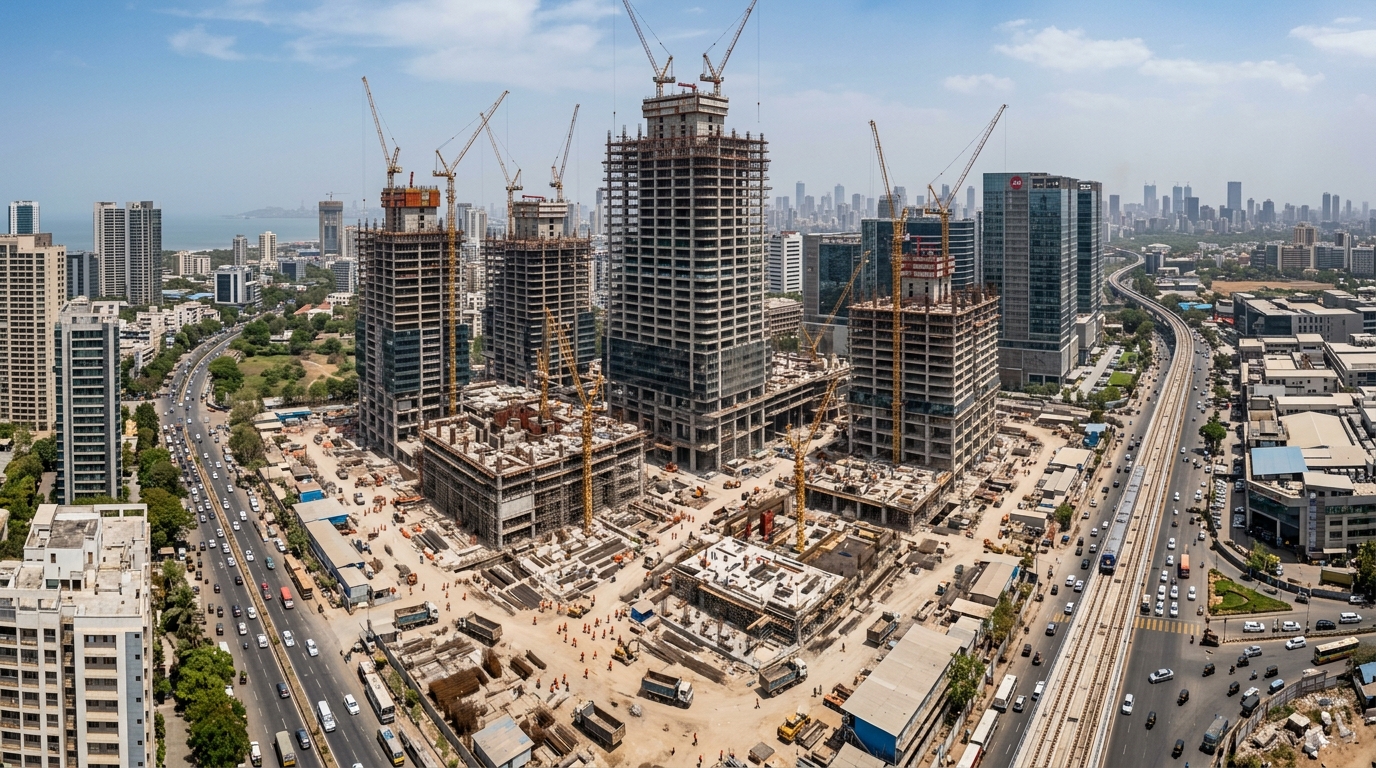
Implications for Builders and Landowners: Where the Real Opportunity Lies
The delineation of Global Business Districts (GBDs) signifies a concentrated effort by governments and corporations to foster innovation and economic growth. For builders and landowners, this translates to predictable, long-term demand drivers. As companies flock to these curated zones, the need for high-quality, purpose-built office spaces, along with supporting residential, retail, and hospitality infrastructure, will skyrocket. Identifying land parcels within or adjacent to these GBDs is paramount. Landowners who strategically partner with developers can command premium valuations. For builders, the focus shifts from speculative development to understanding the specific needs of large corporations and creating integrated ecosystems that cater to their workforce's lifestyle and convenience.
The key takeaway is foresight. Developers must anticipate the next wave of infrastructure development and tenant needs. This involves not just building offices, but creating entire living and working environments. A supply-demand mismatch is almost inevitable in the early stages, offering a window for first-mover advantage.
Secure land parcels with immediate or near-term GBD proximity.
Partner with corporations to understand their specific space requirements (e.g., ESG compliance, amenity-rich campuses).
Develop mixed-use projects that offer a holistic living and working experience.
Focus on creating Grade A office spaces with best-in-class amenities.
Construction Trends, Approvals, and the Supply Pipeline
The rise of GBDs necessitates a more efficient and predictable construction pipeline. Developers can expect increased scrutiny and potentially streamlined approval processes for projects aligned with the GBD vision. However, the demand for specialized talent and sustainable building materials will also surge. Expect a greater emphasis on smart building technologies, energy efficiency, and occupant well-being. Modular construction and prefabrication could become more prevalent to accelerate delivery timelines and maintain quality.
The supply pipeline needs to be robust but also adaptable. While large-scale office parks are a given, niche developments like co-working spaces, serviced apartments, and specialized R&D facilities will also find their place. The challenge lies in balancing the pace of development with the evolving demands of multinational corporations setting up shop.
Invest in technologies that support efficient, sustainable construction.
Build relationships with local authorities to navigate approval processes effectively.
Explore partnerships for specialized construction expertise (e.g., smart building integration).
Anticipate demand for flexible workspaces and employee wellness amenities.
Hyderabad's GBD Focus: A Case Study in Opportunity
Hyderabad, with its burgeoning IT and life sciences sectors, is a prime example of a city actively cultivating its GBDs. Areas like Gachibowli, Kokapet, and the Financial District are no longer just office hubs; they are evolving into comprehensive economic zones. For developers and landowners in these specific locales, the opportunity is immense. These areas are attracting significant foreign direct investment and a highly skilled workforce, creating a sustained demand for Grade A commercial and residential real estate.
The concentration of IT parks and financial services in these districts naturally fuels the growth of supporting infrastructure. This includes high-quality residential developments catering to the expatriate and local talent, premium retail spaces, and world-class hospitality options. Landowners here should recognize the inherent value appreciation driven by this planned economic growth. Developers must align their offerings with the aspirational lifestyle of the professionals working in these GBDs, focusing on amenities and community building.
Target mixed-use developments in and around Gachibowli, Kokapet, and the Financial District.
Develop premium residential projects with amenities that appeal to the target demographic.
Explore opportunities in retail and entertainment catering to the GBD workforce.
Collaborate with local government initiatives to align with the city's GBD vision.
Navigating Risks and Execution Challenges
While the potential rewards in GBDs are substantial, developers must remain acutely aware of the inherent risks. Regulatory hurdles, though potentially streamlined, can still cause delays. Securing financing for large-scale, long-term projects requires robust financial planning and demonstrable market understanding. The competition for prime land and skilled labor will intensify, potentially driving up costs. Furthermore, economic downturns or shifts in global business strategies could impact tenant demand.
Execution is key. Developers need strong project management capabilities, a deep understanding of tenant needs, and the agility to adapt to changing market dynamics. Building a reputation for quality and reliability will be crucial in securing anchor tenants and ensuring long-term success within these evolving GBDs. The risk of oversupply in certain segments also needs careful consideration through thorough market analysis.
Conduct thorough due diligence on land acquisition and regulatory compliance.
Develop robust financial models and secure diversified funding sources.
Build strong relationships with contractors and suppliers to mitigate labor and material cost risks.
Stay abreast of global economic trends and their potential impact on corporate real estate decisions.
Focus on creating sustainable, future-proof developments that attract and retain tenants.
Source: Realty Today