Beyond the Bargain Hunt: Why Buyers Are Demanding a 'Supreme Court' for Real Estate
Published: November 2026
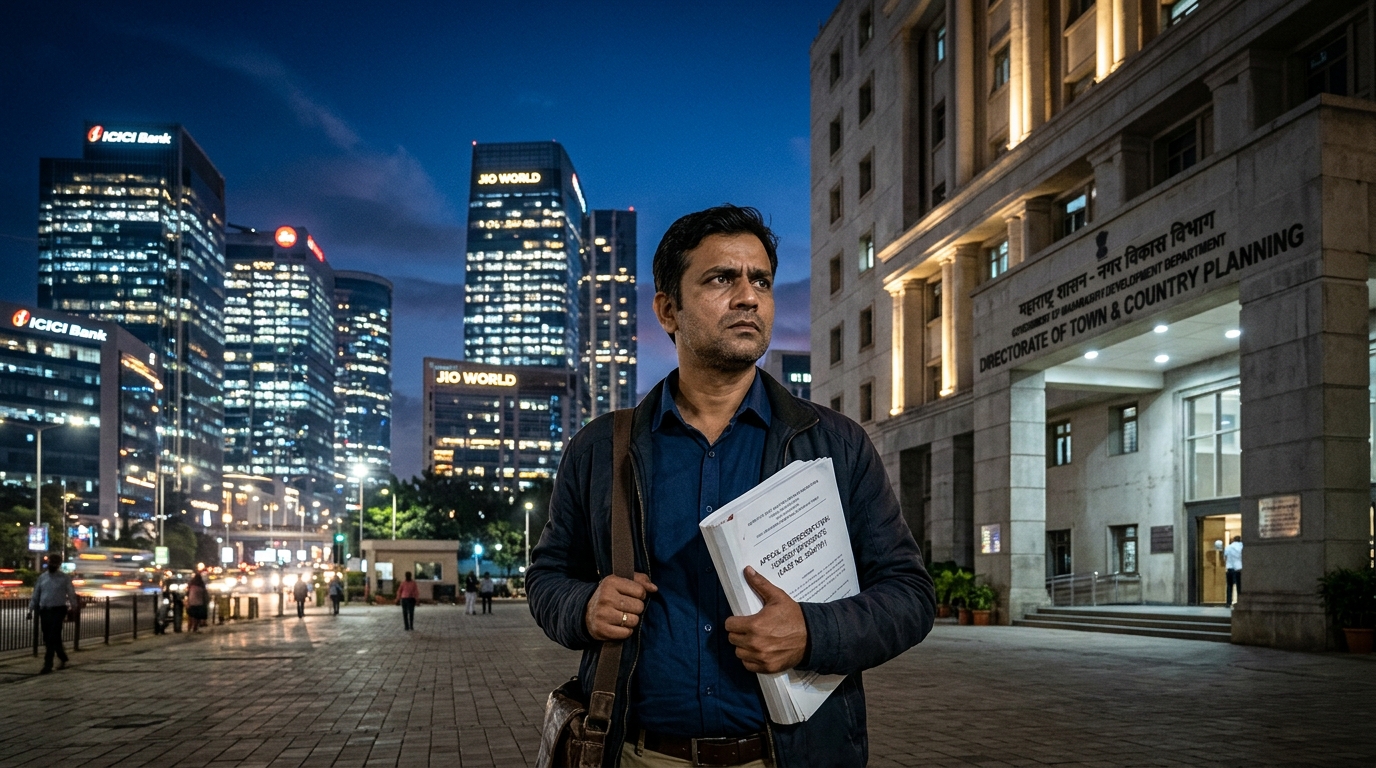
The Echo of Discontent: A Cry for Justice
Imagine this: you've poured your life savings into a dream home, only to be entangled in a labyrinth of delays, unfinished projects, or unfair contract clauses. This is a reality for countless homebuyers across India. Frustrated by the lengthy and often ineffective redressal mechanisms available, the Forum for People's Collective Efforts (FPCE), a prominent homebuyers' association, has made a powerful plea: establish a national appellate tribunal for real estate. This isn't just a bureaucratic suggestion; it's a passionate demand for a system that mirrors the efficiency and authority of bodies like the National Company Law Appellate Tribunal (NCLAT) or the National Green Tribunal (NGT).
The current system, often fragmented and slow, leaves many feeling powerless. Think of the countless hours spent navigating consumer forums or civil courts, the mounting legal fees, and the gnawing uncertainty. FPCE's proposal aims to cut through this complexity, offering a centralized and specialized platform to resolve disputes swiftly and decisively. This could mean faster resolutions for issues like builder delays, quality defects, or misleading advertising, bringing much-needed relief to a beleaguered segment of the market.
Current redressal mechanisms are often slow and fragmented.
FPCE seeks a centralized and specialized platform for real estate disputes.
The proposed tribunal aims to expedite resolutions for common buyer grievances.
Ground-Level Ripples: A New Dawn for Stakeholders?
The implications of such a tribunal would be far-reaching, creating a palpable shift for all players in the real estate ecosystem. For homebuyers, it promises a more robust safety net, fostering greater trust and confidence in their investments. This could translate into increased demand, particularly in markets where buyer sentiment has been dented by past experiences. Investors, both domestic and international, often scrutinize dispute resolution mechanisms as a key indicator of market maturity and investor protection. A strong appellate tribunal could therefore attract more capital, leading to a healthier and more dynamic market.
Developers, on the other hand, might see this as an impetus to uphold higher standards of transparency and timely delivery. While some might perceive it as increased regulatory scrutiny, many responsible developers would welcome a level playing field where fair practices are enforced, and unethical players are held accountable. This could ultimately lead to improved project quality and customer satisfaction across the board. Emerging hotspots like Hyderabad, particularly its rapidly developing suburbs such as Gachibowli, Kokapet, and the Financial District, with their burgeoning residential and commercial projects, stand to benefit immensely from a clear and efficient dispute resolution framework. Investors flocking to these areas will find greater assurance in a system that protects their rights.
Homebuyers gain increased confidence and a stronger safety net.
Investors may be attracted by improved market maturity and investor protection.
Developers are encouraged to uphold higher standards and accountability.
Areas like Hyderabad's Gachibowli and Kokapet could see increased investor confidence.
The Horizon Beckons: A More Transparent Future?
The establishment of a national appellate tribunal for real estate, akin to NCLAT or NGT, represents a significant step towards formalizing and professionalizing the sector. It signifies a move away from a reactive approach to problem-solving towards a proactive one, where rights are protected and disputes are addressed with efficiency and expertise. This could foster a more equitable playing field, encouraging ethical conduct and responsible development.
The call from FPCE is not just about legal recourse; it's about building a real estate market that is fair, transparent, and sustainable. As discussions around this proposal gain momentum, the future of real estate dispute resolution in India appears poised for a transformative change, potentially ushering in an era of greater accountability and trust for all involved.
The proposal signifies a shift towards a more proactive dispute resolution system.
It aims to foster a more equitable and transparent real estate market.
Increased accountability and trust are expected outcomes.
Source: ET Realty