22-A Clearance Unlocked: A Green Signal for Developers and Landowners in Hyderabad's Prime Markets
Published: September 2026
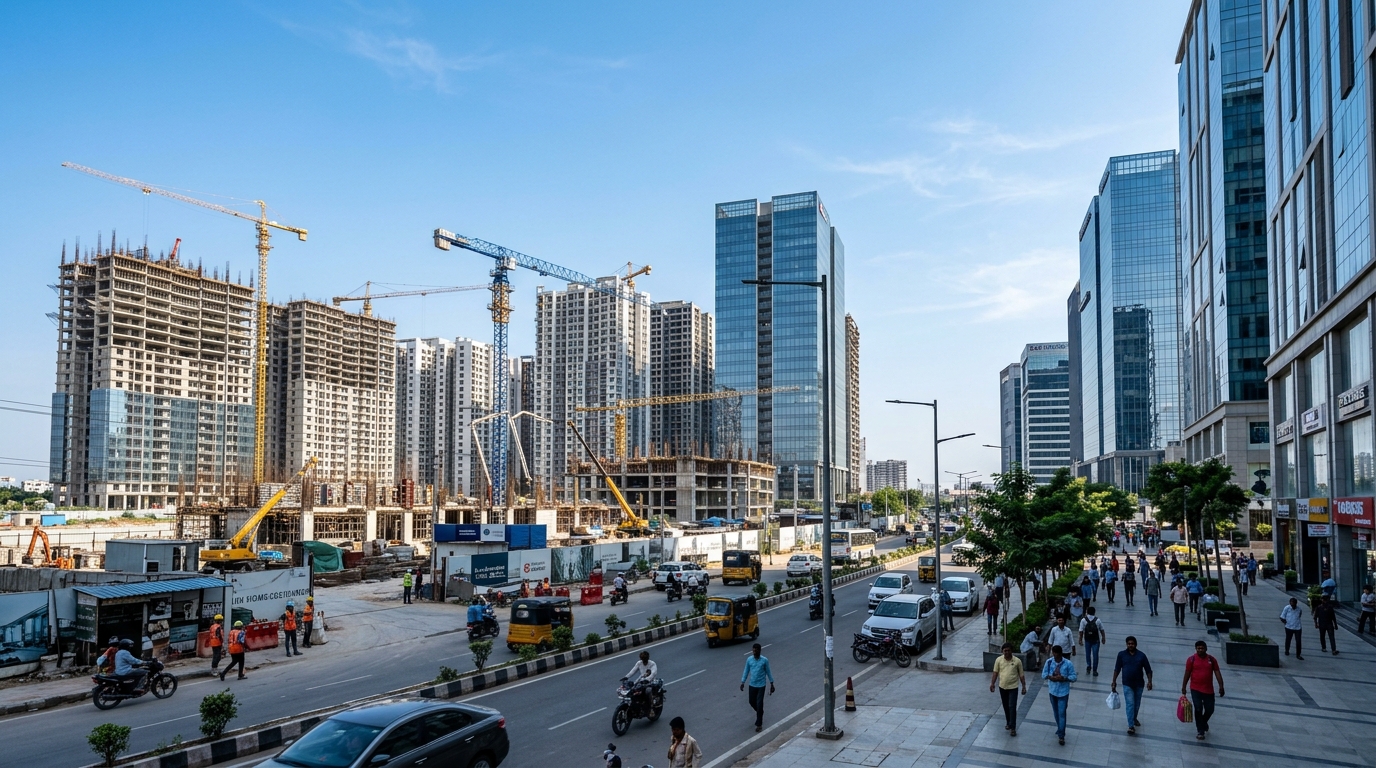
What This Means for Builders and Landowners
The recent announcement by the Telangana government, enabling the registration of properties with 22-A clearance, marks a pivotal moment for the real estate sector in Hyderabad. For builders, this translates into a streamlined process, reducing project timelines and unlocking liquidity that was previously tied up in pending registrations. Developers can now move forward with sales and subsequent phases of their projects with greater confidence, accelerating the supply of new housing units. This also provides a clear path for landowners who have been waiting to regularize their properties and monetize their assets. The increased certainty in the regulatory environment is expected to boost investor confidence and encourage more transparent transactions, ultimately benefiting both the supply and demand sides of the market.
This development is particularly impactful for projects that may have faced delays due to the complexities surrounding 22-A approvals. It offers a chance to clear backlogs and re-energize stalled developments. For landowners, it presents an opportunity to bring their land into the formal development pipeline, potentially realizing higher values through joint ventures or direct sales to developers who can now proceed with construction and registration without further hurdles.
- Reduced project execution timelines for builders.
- Improved cash flow and liquidity for developers.
- Enhanced opportunity for landowners to monetize assets.
- Increased transparency and investor confidence in transactions.
- Potential for reactivation of stalled or delayed projects.
Construction Trends, Approvals, and Supply Pipeline
The ability to register 22-A approved properties will undoubtedly inject momentum into the construction pipeline. We can anticipate a surge in project launches and faster execution of ongoing projects, especially in areas experiencing high demand. This regulatory ease could lead to a more robust supply chain, as developers, now freed from registration bottlenecks, can accelerate their procurement of materials and labor. However, it's crucial to monitor the pace at which this new supply can be absorbed by the market, particularly in saturated segments.
The focus will likely shift towards projects that have already secured 22-A approval, creating a short-term advantage for those developers. As the market adapts, the overall efficiency of the approval and registration process will improve, potentially setting a new benchmark for project completion. The increased clarity in land titles and property registrations will also enable better financial planning and access to credit for developers.
- Acceleration of new project launches.
- Faster execution of existing developments.
- Potential for increased demand on construction materials and labor.
- Enhanced efficiency in the overall approval and registration cycle.
- Improved financial planning and credit access for developers.
Location-Specific Opportunity: Hyderabad's Growth Corridors
This regulatory shift is particularly significant for Hyderabad's burgeoning real estate markets, including Gachibowli, Kokapet, and the Financial District. These micro-markets have witnessed unprecedented growth, driven by IT expansion, a skilled workforce, and robust infrastructure development. The ability to expedite registrations will directly address the demand-supply gap in these premium locations, where buyers have been awaiting new inventory and clarity on property titles. Developers with ongoing or planned projects in these areas can now tap into a ready buyer pool with renewed confidence.
Kokapet, in particular, with its large land parcels and potential for integrated developments, stands to benefit immensely. The Financial District and Gachibowli, already established hubs for commercial and residential activity, will see a further boost as more completed and registrable properties become available. This could lead to increased property values and rental yields in these prime areas, attracting both end-users and investors.
- Accelerated development and sales in Gachibowli, Kokapet, and Financial District.
- Addressing the demand-supply mismatch in premium Hyderabad markets.
- Increased potential for property value appreciation and rental yields.
- Attracting both end-users and investors to these growth corridors.
- Facilitating integrated and large-scale developments in areas like Kokapet.
Risks and Execution Challenges
While the 22-A registration enablement is a positive step, developers must remain cognizant of potential risks and execution challenges. The primary concern is the potential for a sudden influx of properties to the market, which could lead to price corrections if demand does not keep pace, especially in certain segments. Diligence in project execution, quality control, and adherence to market dynamics will be critical. Developers also need to ensure robust legal due diligence on all properties to avoid any unforeseen complications post-registration.
Another challenge could be the increased competition. With regulatory hurdles reduced, more developers might enter these lucrative markets, intensifying the battle for buyers and resources. Managing construction costs, labor availability, and timely project completion will be paramount to maintaining profitability. Furthermore, while the 22-A aspect is addressed, developers must still navigate other local building codes, environmental regulations, and prevailing market sentiment to ensure successful project delivery and customer satisfaction.
- Risk of price corrections due to increased supply if demand falters.
- Importance of continued diligence in legal and property title verification.
- Potential for intensified competition among developers.
- Challenges in managing construction costs and labor availability.
- Need for meticulous project execution and quality assurance.
Source: The Times of India