₹1,500 Crore Boost: DivyaSree Developers and HDFC Capital's New Platform - What it Means for Builders & Landowners
Published: November 2026
Unlocking Opportunity: The Builder & Landowner Advantage
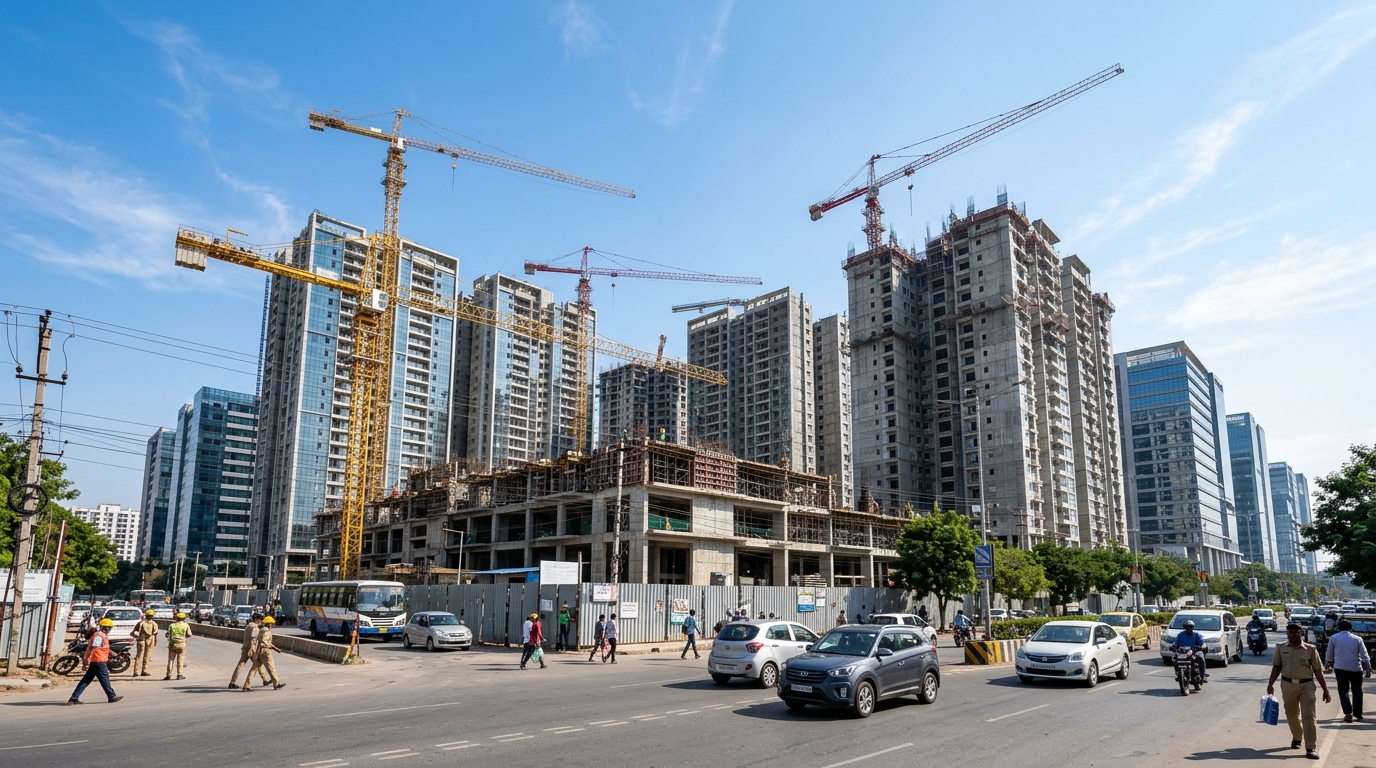
The ₹1,500 crore residential platform established by DivyaSree Developers and HDFC Capital is more than just a financial announcement; it's a catalyst for opportunity. For builders, this signifies access to substantial capital for project development, potentially accelerating expansion plans and enabling the execution of larger, more ambitious projects. This partnership can de-risk development for smaller and mid-sized builders by providing a stable funding source, allowing them to focus on design, construction, and sales. For landowners, particularly those holding strategic parcels in growth-oriented micro-markets, this development translates into enhanced negotiation power. The presence of a well-funded platform actively seeking projects means more serious buyers and potentially better deal structures, including joint development agreements with upfront payments or revenue-sharing models. It indicates a strong demand for quality land with development potential.
The focus on a 'residential platform' suggests a strategy for long-term, scalable growth. This means that instead of one-off deals, DivyaSree and HDFC Capital are likely looking for a pipeline of projects that can be developed and managed systematically. This predictability of capital can be a significant advantage for builders who can align their project cycles with this platform's investment horizon. It also implies a focus on projects that meet specific quality and return criteria, pushing for higher standards across the board.
- Builders: Access to capital for larger projects, de-risking development, accelerated expansion.
- Landowners: Increased negotiation power, better deal structures, potential for joint development.
- Strategic Alignment: Opportunity to partner on projects fitting the platform's long-term vision.
- Focus on Quality: Implication of higher development and execution standards.
Construction Trends, Approvals, and the Supply Pipeline
This significant capital infusion is poised to influence construction trends by encouraging developers to adopt more sophisticated building technologies and sustainable practices to meet the platform's potential quality benchmarks. With more funding available, there's an increased capacity to bring new inventory to the market, potentially addressing the persistent supply-demand mismatch in certain premium segments. The speed of project execution will likely become a competitive advantage, requiring builders to streamline their construction processes and optimize supply chains. Furthermore, the platform's investment criteria will likely favor projects with clear and expedited approval pathways. Developers who can demonstrate a strong track record of navigating regulatory hurdles efficiently will be more attractive partners. This could lead to a greater emphasis on pre-construction planning and engagement with local authorities to ensure smoother project lifecycles.
The availability of substantial funding can help bridge the gap between demand and supply, especially in sought-after locations. It encourages the initiation of new projects, contributing to a healthier real estate ecosystem. Builders who are agile and can demonstrate efficiency in obtaining approvals and managing construction timelines will be best positioned to capitalize on this trend. This also means that the focus will be on projects that can be delivered within a reasonable timeframe, meeting market expectations and the investors' return requirements.
- Adoption of advanced construction technologies and sustainable practices.
- Increased capacity to address supply-demand gaps in premium segments.
- Emphasis on efficient project execution and supply chain optimization.
- Prioritization of projects with streamlined approval processes.
- Potential for faster project lifecycles and quicker inventory turnover.
Hyderabad's Growth Corridors: Gachibowli, Kokapet, and the Financial District
Hyderabad, with its booming IT sector and burgeoning economy, is a prime candidate for such strategic investments. Areas like Gachibowli, Kokapet, and the Financial District are already established hubs for commercial activity, attracting a high-net-worth demographic that demands quality residential offerings. The ₹1,500 crore platform is likely to target these micro-markets, where the demand for premium and mid-to-high-end housing remains robust. Developers with land parcels or ongoing projects in these specific locales will find increased interest and potential for strong partnerships. The continued influx of talent into these business districts fuels a constant demand for housing, making it an attractive proposition for developers backed by significant capital.
The presence of major corporations and the continuous expansion of the IT and FinTech sectors in these Hyderabad corridors create a perpetual demand for housing. This sustained economic activity and job creation translate into a stable buyer base. For builders and landowners in Gachibowli, Kokapet, and the Financial District, this partnership signifies a potential surge in project launches and increased property values. It encourages the development of integrated townships and lifestyle-centric communities that cater to the discerning tastes of professionals working in these areas.
- High demand for premium and mid-to-high-end housing in these Hyderabad micro-markets.
- Targeting of Gachibowli, Kokapet, and the Financial District due to their commercial and demographic appeal.
- Increased interest in land parcels and projects within these growth corridors.
- Potential for development of integrated townships and lifestyle communities.
- Sustained buyer base driven by job creation and economic growth in these areas.
Navigating the Execution Landscape: Risks and Challenges
While the ₹1,500 crore platform presents a significant opportunity, builders and landowners must also be aware of the inherent risks and execution challenges. A key challenge will be the alignment of project quality and timelines with the platform's expectations. Not all projects will meet the stringent criteria for investment, requiring thorough due diligence on the part of the developers. Regulatory hurdles and the often-complex approval processes in urban development can lead to delays and cost overruns, impacting project viability. Furthermore, market dynamics can shift rapidly; a downturn in the real estate sector or a change in buyer sentiment could affect sales velocity and profitability, even with strong funding.
Execution risk is paramount. Builders need to demonstrate robust project management capabilities, efficient cost control, and a strong sales and marketing strategy to ensure timely project completion and successful sales. For landowners, understanding the terms of any joint development agreement, including profit-sharing ratios and exit clauses, is crucial. There's also the risk of oversupply in specific micro-markets if multiple projects backed by similar platforms are launched simultaneously, leading to increased competition and potential price erosion. Careful market analysis and a phased development approach will be essential to mitigate these risks and ensure the success of projects under this new platform.
- Alignment of project quality and timelines with investor expectations.
- Navigating complex regulatory approval processes and potential delays.
- Market volatility and potential shifts in buyer sentiment.
- Maintaining efficient cost control and robust project management.
- Risk of oversupply in specific micro-markets leading to increased competition.
- Thorough due diligence on partnership agreements and market conditions.
Source: ET Realty